What is Fishing?
At its core, fishing is the act of catching fish. Historically a primary source of sustenance, it has evolved into a popular recreational activity and, for many, a competitive pursuit. The term often refers to angling, which is the method of catching fish using a hook, line, and bait. Angling encompasses various techniques and environments, making it a diverse activity enjoyed by people of all ages and skill levels.
Factors that Determine Whether Fishing is a Sport
The determination of whether fishing qualifies as a sport rests on several key factors:
- Skill Sets Required: Sport fishing demands a mastery of various techniques, including casting, knot tying, lure selection, and understanding fish behavior. The ability to adapt to changing conditions and make strategic decisions is crucial for success.
- Physical Strength and Strategy: While often perceived as a passive activity, certain types of fishing, such as surf fishing or battling a large marlin, require significant physical strength and endurance. Strategic positioning, boat handling, and efficient reeling techniques are also vital.
- Rules and Regulations: Like other sports, fishing is governed by rules and regulations designed to protect fish populations and ensure fair play. These regulations often dictate licensing requirements, fishing zones, allowable equipment, and catch limits.
- Competition and Rewards: Fishing tournaments, both amateur and professional, are held worldwide, offering substantial prizes and recognition. These competitions inject a competitive element into the activity, pushing anglers to hone their skills and strategies to outcompete their peers.
Types of Sport Fishing
The diverse range of fishing environments and techniques contributes to its appeal as a sport:
Surf Fishing
Surf fishing involves casting from the shoreline into the surf zone, targeting fish that feed close to the coast. This requires specialized gear to withstand the harsh marine environment and the ability to read wave patterns and currents.
Lake Fishing
Lake fishing offers a more tranquil experience, targeting freshwater species like bass, trout, and panfish. It often involves the use of boats or kayaks to access prime fishing spots.
Canal Fishing
Canal fishing, often overlooked, can be highly competitive, with tournaments focused on either the total weight or length of the catch. It requires a deep understanding of the specific canal environment and fish behavior.
River Fishing
River fishing presents unique challenges due to flowing water and varying depths. Anglers must adapt their techniques to the river’s current, targeting species like salmon, trout, and catfish.
Creek Fishing
Creek fishing is a more intimate form of angling, often involving wading through shallow streams in pursuit of smaller fish species. It requires precision casting and an understanding of the creek’s ecosystem.
Fly Fishing
Fly fishing is considered by many to be the most artistic and challenging form of fishing. It involves using artificial flies to imitate insects and other prey, requiring precise casting techniques and a deep understanding of aquatic entomology.
Ice Fishing
Ice fishing is a winter activity that involves drilling holes in frozen lakes or rivers and fishing through the ice. This requires specialized equipment like ice augers, shelters, and ice fishing rods.
Game Fishing
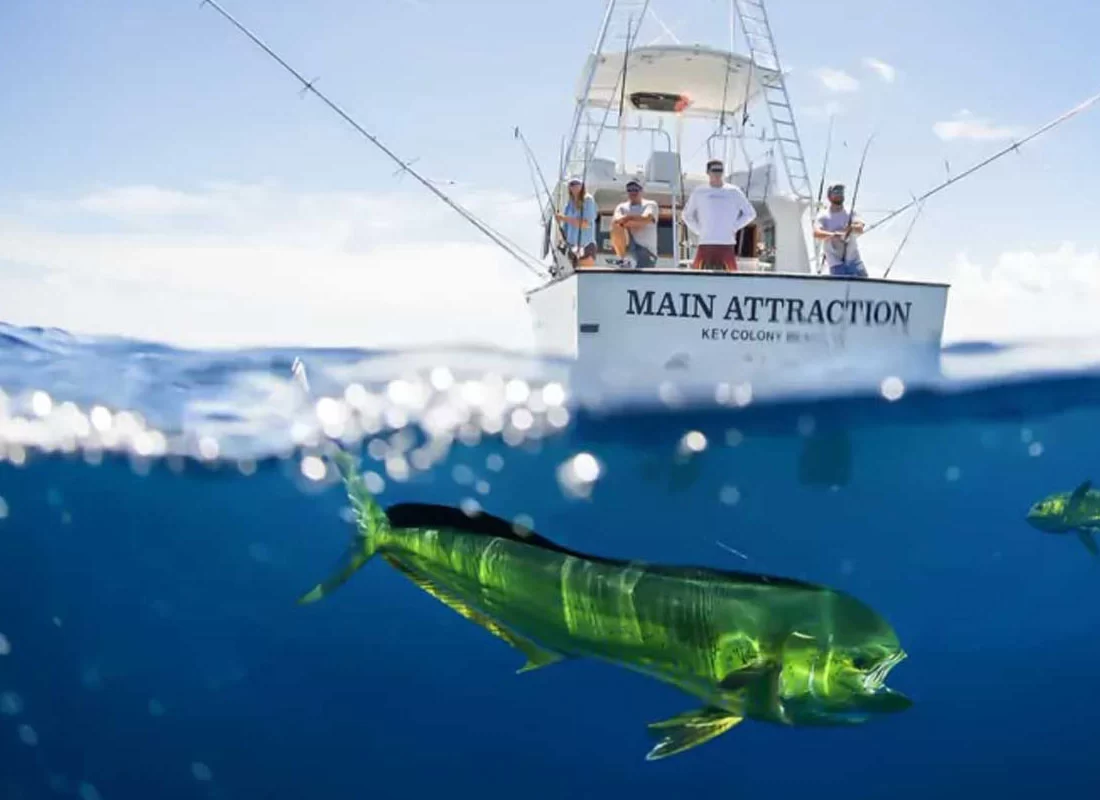
Game fishing targets large, powerful fish species like marlin, tuna, and swordfish. It often involves offshore expeditions and requires heavy-duty tackle and skilled boat handling.
Fishing Competitions Around the World
From local bass tournaments to international marlin championships, fishing competitions are a global phenomenon. These events showcase the competitive nature of the sport, with anglers vying for substantial prizes, sponsorships, and recognition. These competitions mirror the structure and intensity of other sports events, attracting skilled anglers from around the world.
Fishing Competitions in Türkiye
Türkiye, with its rich aquatic biodiversity, hosts a variety of fishing competitions that attract both local and international anglers. These events not only promote the sport of fishing but also foster community engagement and tourism. Below are some notable fishing competitions held in Türkiye:
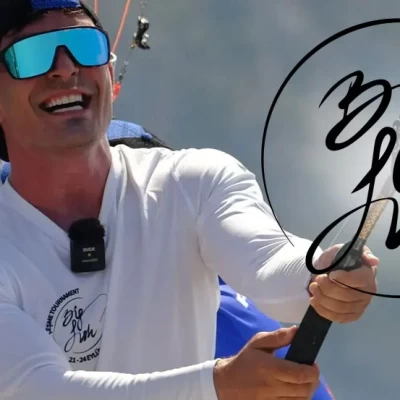
1. Big Fish Türkiye Tournament
- Location: Çeşme Marina
- Date: Annually, typically in late September
- Overview: The Big Fish Türkiye Tournament is one of the country’s premier fishing competitions, attracting skilled anglers from around the globe. Participants compete for the biggest catch, primarily targeting species such as bluefin tuna. The event features multiple categories and offers substantial prizes, making it a highlight on the fishing calendar.
2. Alaçatı Fishing Tournament
- Location: Alaçatı, Çeşme
- Date: October
- Overview: This tournament celebrates both the sport of fishing and the vibrant local culture. It attracts numerous participants and spectators, offering a festive atmosphere with food, music, and community activities. The tournament emphasizes sustainable fishing practices and often includes workshops for younger anglers to learn about responsible fishing.
3. Local Competitions
Various local fishing clubs and organizations across Türkiye host smaller fishing competitions throughout the year. These events often focus on specific species or techniques, such as jigging or freshwater angling in lakes and rivers. They provide an excellent opportunity for amateur anglers to gain experience and compete in a friendly environment.
Skills Required for Sports Fishermen
Becoming a successful sport fisherman requires a combination of skill, knowledge, and dedication:
Specialist Gear
Sport fishermen often utilize advanced equipment tailored to their specific fishing environment and target species. This includes high-performance rods, reels, lines, and lures designed to maximize casting distance, sensitivity, and hook-setting power.
Greater Knowledge of Fish Behavior
A deep understanding of fish behavior, including feeding habits, migration patterns, and habitat preferences, is essential for success. Sport fishermen study weather patterns, water conditions, and fish biology to predict where and when fish are most likely to be active.
Arguments Against Fishing as a Sport
Despite its competitive aspects, some argue against classifying fishing as a sport:
- Lack of Physical Exertion in Some Forms of Fishing: Critics point out that certain types of fishing, such as sitting on a dock with a baited hook, require minimal physical activity compared to traditional sports like basketball or soccer.
- Fairness in Competition (Angler vs. Fish): The ethical argument is sometimes raised that fishing is not a fair competition, as the fish has no understanding of the game and is at a distinct disadvantage.
Is Fishing an Olympic Sport?
While fishing has yet to achieve full Olympic status, it has been considered for inclusion in the past. Fly fishing was proposed as a demonstration sport for the 1996 Olympics but was ultimately not included. The debate continues, with proponents arguing that fishing’s skill and competitive elements warrant Olympic recognition.
Ultimately, whether fishing is considered a sport or a hobby is a matter of perspective. For some, it’s a tranquil escape from the stresses of daily life, a chance to reconnect with nature and enjoy the simple pleasure of catching a fish. For others, it’s a challenging and competitive pursuit, demanding skill, strategy, and physical exertion. Regardless of how it’s defined, fishing offers something for everyone, enriching lives through its blend of relaxation, skill development, and appreciation for the natural world. Perhaps its greatest strength lies in its ability to be both a peaceful hobby and a thrilling sport, catering to a diverse range of interests and motivations.
Frequently Asked Questions
Is fishing really a sport? It seems pretty relaxing.
It can be! That’s the beauty of it. Fishing is often relaxing, but competitive fishing requires significant skill, strategy, and sometimes even physical exertion. Think of it like golf – you can casually play a round with friends, or you can compete in a professional tournament. The same applies to fishing.
What makes fishing competitive?
Fishing becomes competitive when anglers participate in tournaments. These events have rules, regulations, and often significant prizes. Anglers compete against each other (and the fish!), testing their knowledge, skill, and patience to catch the biggest or the most fish within a specified timeframe.
Do you have to hurt the fish to enjoy sport fishing?
Responsible anglers prioritize the well-being of the fish. Many tournaments and sport fishing events require the use of barbless hooks to minimize injury. Catch-and-release practices are also common, where fish are carefully released back into the water after being caught and measured.
I’m new to fishing. What’s a good way to get started in the “sport” side of it?
Start by researching local fishing clubs and organizations in your area. They often offer introductory workshops, guided fishing trips, and beginner-friendly competitions. Focus on learning the basics of casting, knot tying, and fish identification. Most importantly, connect with experienced anglers who can share their knowledge and expertise.