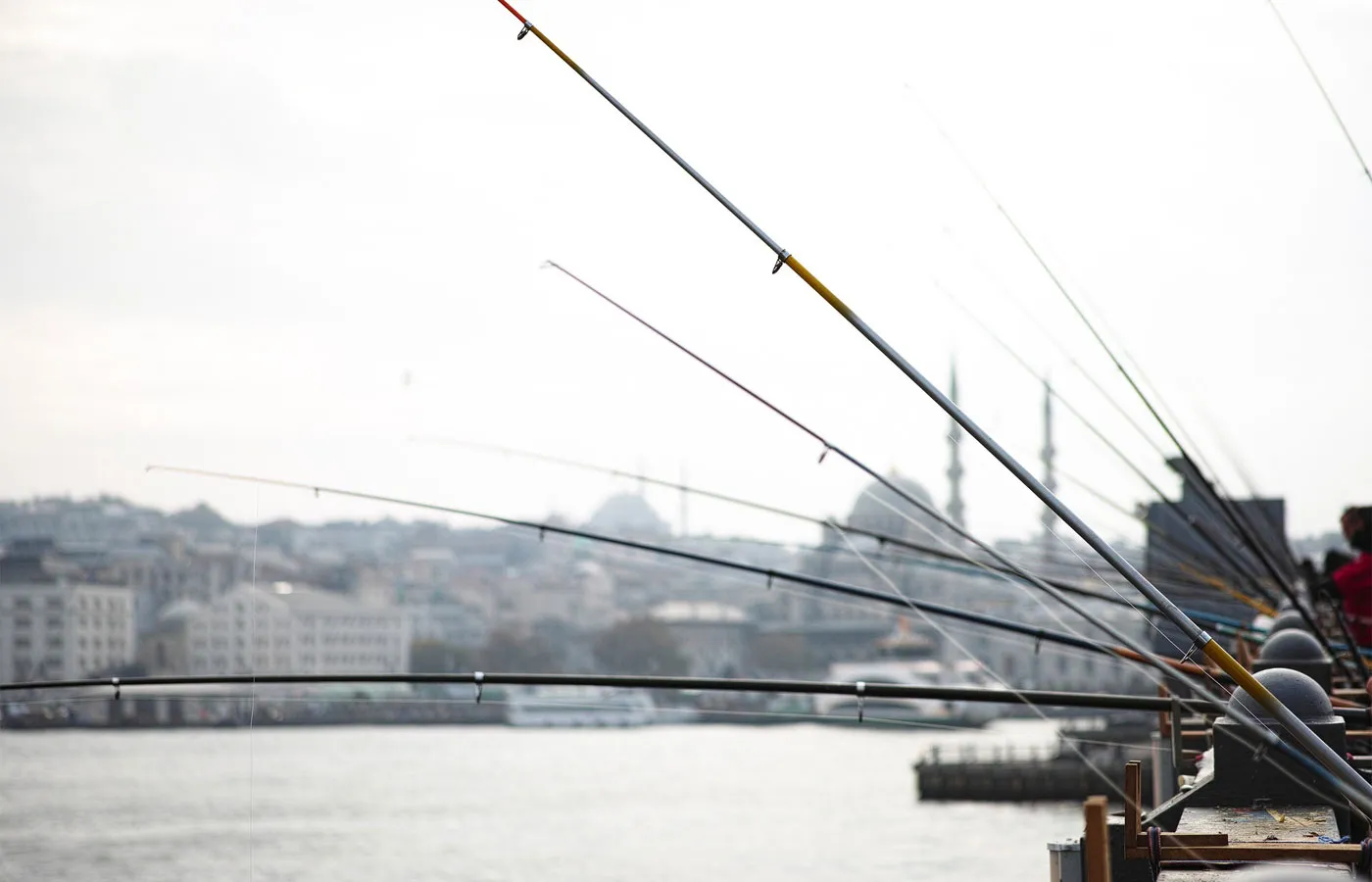
Fishing in the Sea of Marmara offers a rich and diverse angling experience, attracting both local and visiting sport fishermen. This article explores the region’s fishing practices, popular species, and key locations, including the Bosphorus and Dardanelles Straits. Learn about the challenges, conservation efforts, and regulations shaping the future of sport fishing in the Sea of Marmara.
The Sea of Marmara, connecting the Aegean and Black Seas, is a diverse and dynamic fishing region. Its strategic location and unique ecosystem make it a popular destination for sport fishermen, with both local and visiting anglers enjoying its waters.
Sport and Recreational fishing is a widely practiced activity in the Sea of Marmara, contributing significantly to local economies. Tackle shops, charter services, and tourism-related businesses benefit from the presence of sport anglers. The accessibility of the Sea of Marmara from major cities like Istanbul further enhances its role as a prime sport fishing destination. The annual revenue generated by sport fishing in the region is estimated to be substantial, with expenditures covering fishing gear, boat rentals, guided tours, and local accommodations. This industry supports many small businesses and contributes to job creation in coastal areas.
Additionally, sport fishing attracts international anglers, boosting tourism-related revenues. Many visitors come specifically for fishing trips, leading to increased demand for specialized services such as fishing charters and professional fishing guides. This demand stimulates local economies, providing financial support for fish markets, transportation, and hospitality businesses. The combination of resident and tourist anglers underscores the Sea of Marmara’s significance as a premier sport fishing destination, with long-term potential for economic growth.
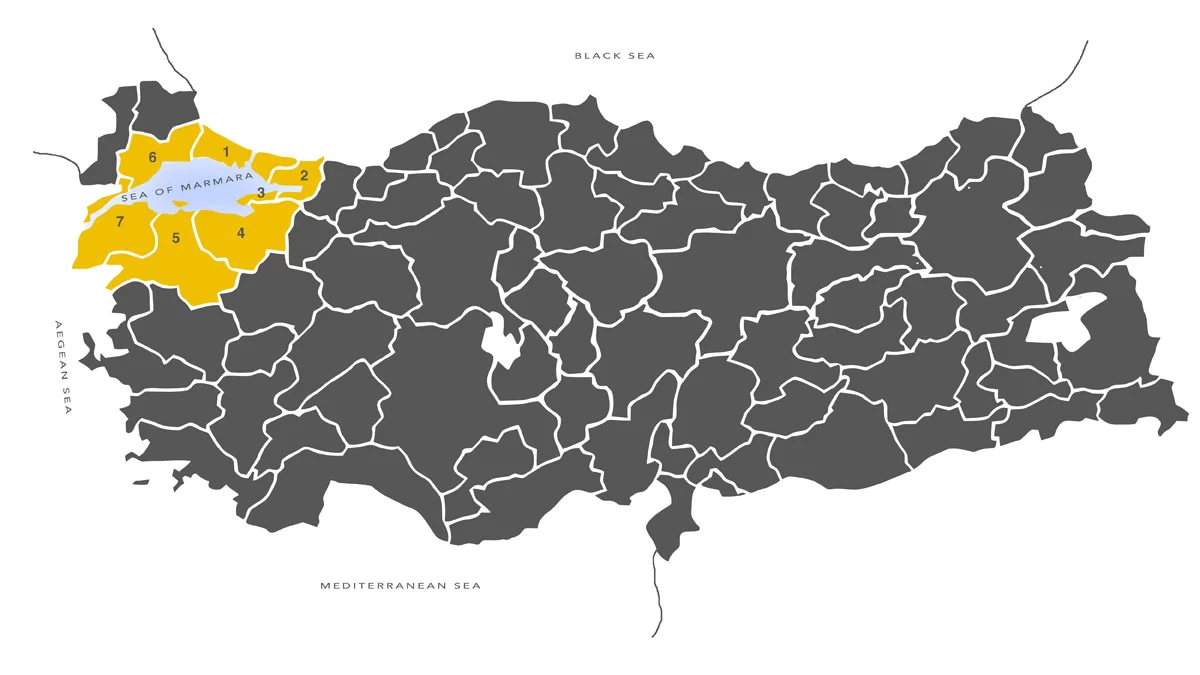
The Sea of Marmara is bordered by several provinces that serve as key fishing locations, including Istanbul, Kocaeli, Yalova, Bursa, Balıkesir, Tekirdağ, and Çanakkale.
These provinces offer diverse fishing opportunities, from urban shore fishing in Istanbul to tranquil coastal spots in Balıkesir and Tekirdağ.
The Bosphorus Strait, which connects the Black Sea to the Sea of Marmara, is one of the most significant fishing zones in Turkey. Due to strong currents and nutrient-rich waters, this strait is home to abundant fish populations, including migratory species such as bluefish, bonito, and sea bass. The Bosphorus is a prime location for shore and boat fishing, attracting both amateur and professional anglers year-round.
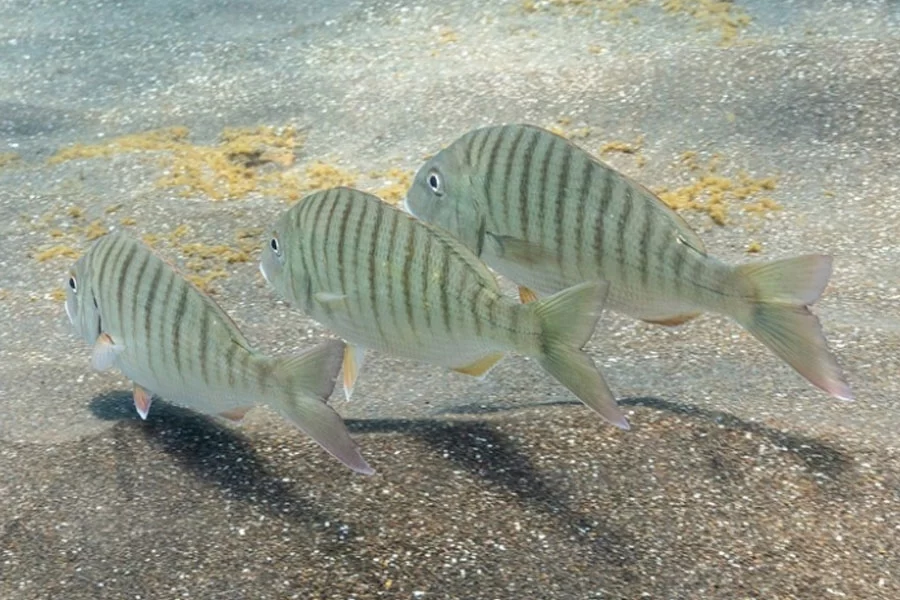
Similarly, the Dardanelles Strait, linking the Sea of Marmara to the Aegean Sea, is another crucial fishing hotspot. Its unique geography creates an environment conducive to diverse marine life. Many anglers flock to this area to target species such as gilt-head bream, turbot, and mackerel. The Dardanelles also serves as a passageway for seasonal fish migrations, making it a dynamic fishing destination.
Anglers in the Sea of Marmara employ various techniques to catch their target species:
1. Shore Fishing
The most common method, especially along piers, beaches, and rocky shorelines. Anglers use a variety of bait and fishing lures to attract species like horse mackerel, sea bass, and mullet. Light tackle and spinning reels are popular choices for shore – based fishing.
2. Boat Fishing
Used for deeper waters and targeting larger pelagic species. Anglers venture into open waters to catch species such as bonito, bluefish, and European hake. This method often involves bottom fishing, trolling, and drift fishing.
3. Jigging and Trolling
Increasingly popular methods for catching predatory fish. Jigging is commonly used to target deep-water species such as turbot and hake, while trolling is effective for migratory fish like bonito and bluefish. These techniques require specialized rods, reels, and artificial lures.
4. Spearfishing:
Practiced in areas with clear waters and rocky structures. Spearfishers target species such as sea bass and gilt-head bream, often diving near underwater reefs and rocky formations. This method requires skill, patience, and knowledge of fish behavior.
With the growing popularity of sport fishing in the Sea of Marmara, anglers are increasingly relying on modern fishing equipment to improve their success rates. Many fishermen now utilize:
1. Sonar and GPS Devices
Fish finders and depth sounders help locate schools of fish and identify underwater structures, making it easier to target specific species.
2. High-Performance Fishing Tackle
Lightweight yet durable spinning reels paired with braided lines provide enhanced casting distance and sensitivity, essential for tackling powerful species like bluefish and bonito.
3. Artificial Lures and Bait Innovations
Poppers, stickbaits, metal jigs, spoons and soft plastic lures have gained popularity for targeting predatory fish such as sea bass and Atlantic bonito.
Sport fishermen in the Sea of Marmara target a variety of species, including:
| Species | Jan | Feb | Mar | Apr | May | Jun | Jul | Aug | Sep | Oct | Nov | Dec |
|---|---|---|---|---|---|---|---|---|---|---|---|---|
| Horse Mackerel | Good | Good | Good | Good | Great | Great | Great | Great | Great | Great | Good | Good |
| Bluefish | Weak | Weak | Weak | Weak | Fair | Good | Great | Great | Great | Great | Great | Weak |
| Sea Bass | Great | Great | Great | Good | Fair | Weak | Weak | Weak | Good | Great | Great | Great |
| Gilt-head Bream | Fair | Fair | Good | Good | Great | Great | Great | Great | Great | Great | Great | Great |
| Bonito | Weak | Weak | Weak | Weak | Fair | Good | Great | Great | Great | Great | Fair | Weak |
| Mullet | Good | Good | Good | Fair | Weak | Weak | Weak | Weak | Fair | Fair | Good | Good |
| Black Sea Turbot | Fair | Fair | Fair | Good | Good | Good | Good | Good | Good | Good | Fair | Fair |
| Garfish | Weak | Weak | Weak | Weak | Weak | Fair | Great | Great | Great | Great | Good | Weak |
Despite its popularity, sport fishing in the Sea of Marmara faces several challenges:
Sport and recreational fishing in the Sea of Marmara is regulated by Turkish authorities, with specific rules including:
Sport fishing in the Sea of Marmara offers a blend of rich biodiversity and angling opportunities. However, sustainable practices are crucial to maintaining fish stocks and protecting the marine ecosystem for future generations. By following regulations and engaging in responsible fishing, anglers can ensure the continued prosperity of this cherished sport.