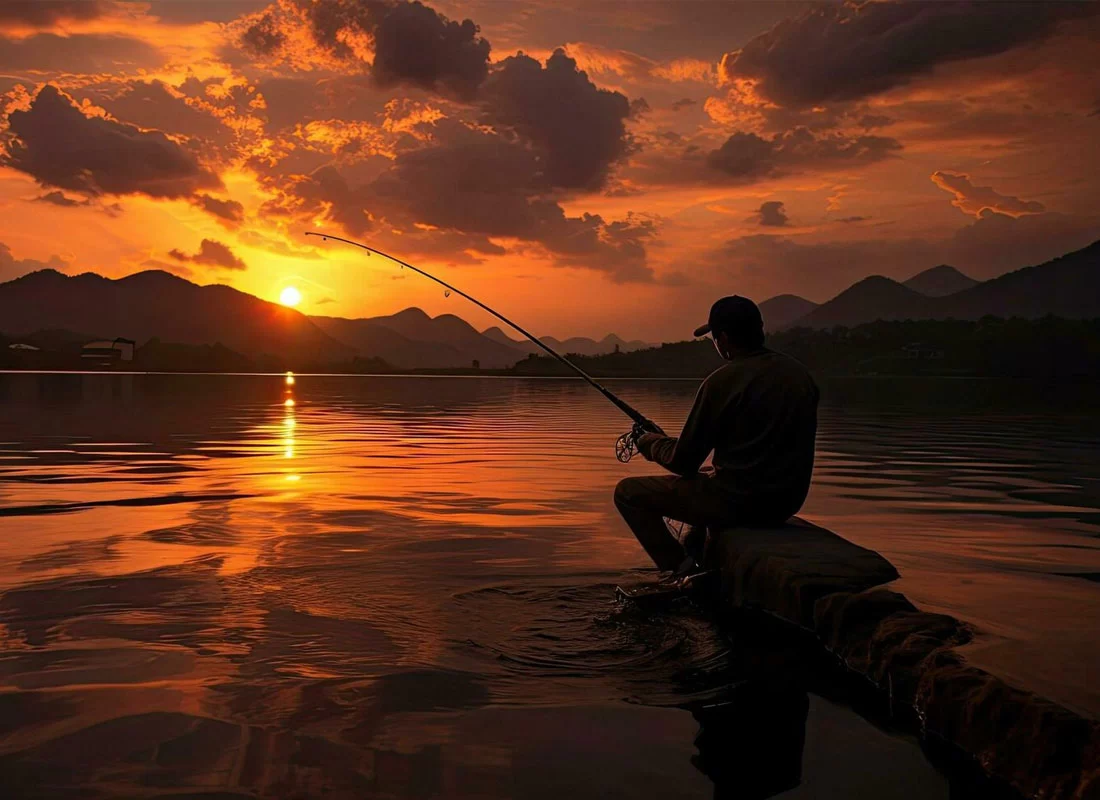
Sport fishing along the Turkish coastline of the Aegean Sea offers enthusiasts a blend of rich marine biodiversity, scenic beauty, and cultural heritage. This article delves into the sport fishing landscape of this region, covering fishing practices, popular species, challenges, and regulations.
The Turkish Aegean coast stretches from the northern province of Çanakkale to the southern reaches of Muğla, encompassing a variety of fishing environments – from tranquil bays to bustling harbors. The region’s temperate climate and nutrient-rich waters make it a haven for both local and international anglers.
Sport fishing is a significant contributor to the local economies along the Turkish Aegean coast. Coastal towns such as Bodrum, Fethiye, and Çeşme have seen a surge in fishing tourism, leading to increased demand for charter services, fishing gear retailers, and hospitality establishments. The influx of anglers, especially during peak seasons, bolsters income for local businesses and creates employment opportunities in these communities.
In addition to direct financial benefits, sport fishing also encourages the development of related sectors, such as eco-tourism and conservation initiatives. Many fishing charters now offer guided fishing tours that educate participants about the unique marine ecosystems of the Aegean Sea, fostering a deeper appreciation for the environment. This emphasis on sustainability not only enhances the fishing experience but also attracts environmentally conscious tourists, further diversifying the local economy. As these communities embrace responsible fishing practices and conservation efforts, they can ensure the long-term viability of their natural resources while continuing to thrive economically.
The Turkish Aegean coastline spans several provinces, each offering unique fishing experiences:
1. Çanakkale
Known for its historical significance and rich marine life, providing opportunities for both shore and boat fishing.
2. Balıkesir
Features diverse fishing spots, including the Ayvalık archipelago, renowned for its clear waters and abundant fish species.
3. İzmir
Home to popular destinations like Çeşme and Foça, offering a mix of traditional and modern fishing practices.
4. Aydın
The coastal town of Kuşadası and Didim serves as a hub for fishing charters and tours.
5. Muğla
Encompasses famed locations such as Bodrum, Marmaris, and Fethiye, where fishing is intertwined with tourism and recreation.

Anglers along the Turkish Aegean coast employ various techniques to target a wide range of species:
1. Shore Fishing
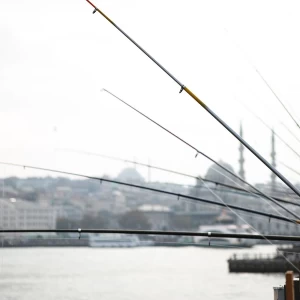
Commonly practiced along beaches, piers, and rocky outcrops, targeting species like sea bass and gilt-head bream.
2. Boat Fishing
Utilized for accessing deeper waters to catch larger species such as grouper and amberjack.
3. Spearfishing
Popular in areas with clear visibility, allowing divers to hunt species like dentex and sea bass.
4. Fly Fishing:
While traditionally associated with freshwater, fly fishing has gained traction in saltwater environments, targeting species like mullet in estuarine areas.
The rise in recreational and sport fishing’s popularity has led to the adoption of advanced equipment:
1. Fish Finders and GPS Devices
Assist anglers in locating fish schools and navigating unfamiliar waters.
2. High-Quality Rods and Reels
Designed to handle the strength of larger marine species, enhancing the fishing experience.
3. Artificial Lures and Baits
Including jigs, soft plastics, and trolling lures, tailored to attract specific species prevalent in the Aegean Sea.
Sport fishermen in the Turkish Aegean Sea target a variety of species, including:
Understanding the seasonal patterns of fish species enhances the success rates for anglers:
| Species | Jan | Feb | Mar | Apr | May | Jun | Jul | Aug | Sep | Oct | Nov | Dec |
|---|---|---|---|---|---|---|---|---|---|---|---|---|
| Bluefish | Fair | Fair | Fair | Good | Good | Great | Great | Great | Great | Good | Good | Fair |
| Sea Bass | Great | Great | Great | Good | Fair | Fair | Fair | Fair | Good | Great | Great | Great |
| Bonito | Fair | Fair | Good | Good | Great | Great | Great | Great | Great | Good | Good | Fair |
| Mullet | Good | Good | Good | Good | Great | Great | Great | Great | Great | Good | Good | Good |
| Horse Mackerel | Good | Good | Good | Good | Great | Great | Great | Great | Great | Good | Good | Good |
| Garfish | Fair | Fair | Fair | Good | Good | Great | Great | Great | Great | Good | Good | Fair |
| Blackspot Sea Bream | Good | Good | Good | Good | Great | Great | Great | Great | Great | Good | Good | Good |
| Common Pandora | Good | Good | Good | Good | Great | Great | Great | Great | Great | Good | Good | Good |
| Salema Porgy | Good | Good | Good | Good | Great | Great | Great | Great | Great | Good | Good | Good |
| Bluespotted Sea Bream | Fair | Fair | Good | Good | Great | Great | Great | Great | Great | Good | Good | Fair |
| Saddled Sea Bream | Good | Good | Good | Good | Great | Great | Great | Great | Great | Good | Good | Good |
| Two-Banded Sea Bream | Fair | Fair | Good | Good | Great | Great | Great | Great | Great | Good | Good | Fair |
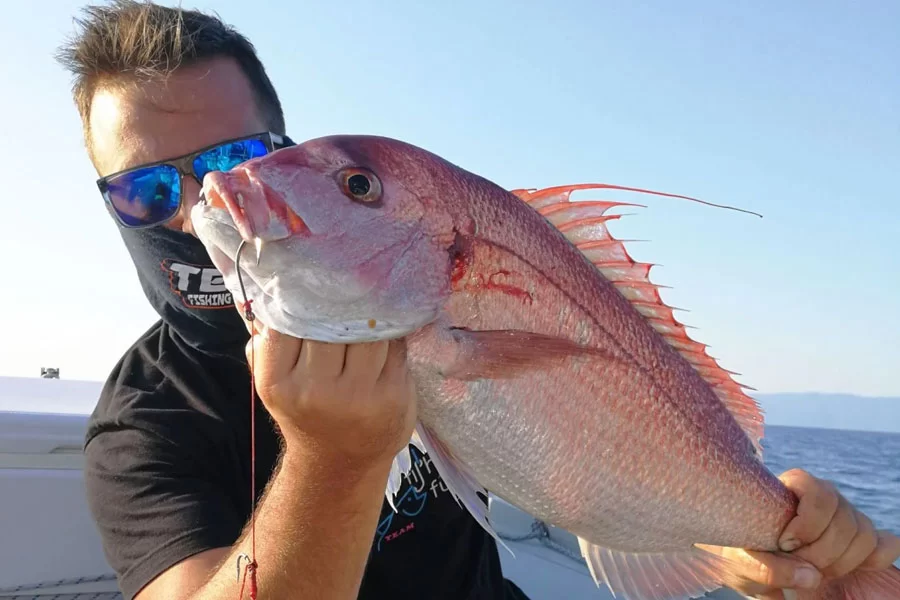
| Red Snapper | Good | Good | Good | Good | Great | Great | Great | Great | Great | Good | Good | Good |
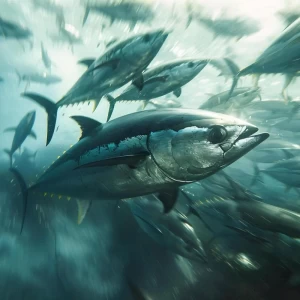
| Bluefin Tuna | Fair | Fair | Fair | Good | Good | Great | Great | Great | Great | Good | Good | Fair |
| Mahi Mahi | Fair | Fair | Fair | Good | Good | Great | Great | Great | Great | Good | Good | Fair |
The sustainability of fish stocks in the Aegean Sea faces challenges such as overfishing, habitat degradation, and illegal fishing practices. To combat these issues, Türkiye has implemented measures including seasonal fishing bans, gear restrictions, and the establishment of marine protected areas. Collaborative efforts with neighboring countries aim to harmonize regulations and promote the conservation of shared marine resources.
Türkiye enforces a set of regulations to ensure sustainable fishing practices. By following these regulations, both local and visiting anglers contribute to the long-term sustainability of sport fishing in the Turkish Aegean Sea:
The Turkish Aegean Sea stands as one of the most dynamic sport fishing destinations, offering a rich variety of fish species, diverse fishing techniques, and stunning coastal scenery. The region’s well-established fishing communities, combined with a growing interest in recreational fishing tourism, provide ample opportunities for both amateur and professional anglers.
While sport fishing brings economic benefits to coastal towns, sustainability remains a critical factor. Regulations, conservation efforts, and responsible fishing practices play a key role in ensuring that future generations can continue to enjoy the bountiful waters of the Aegean.
Whether fishing from the shore, aboard a boat, or exploring the depths through spearfishing, the Turkish Aegean coastline offers an unforgettable experience for anglers seeking both adventure and relaxation.