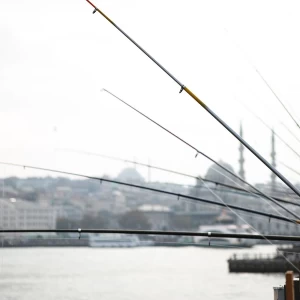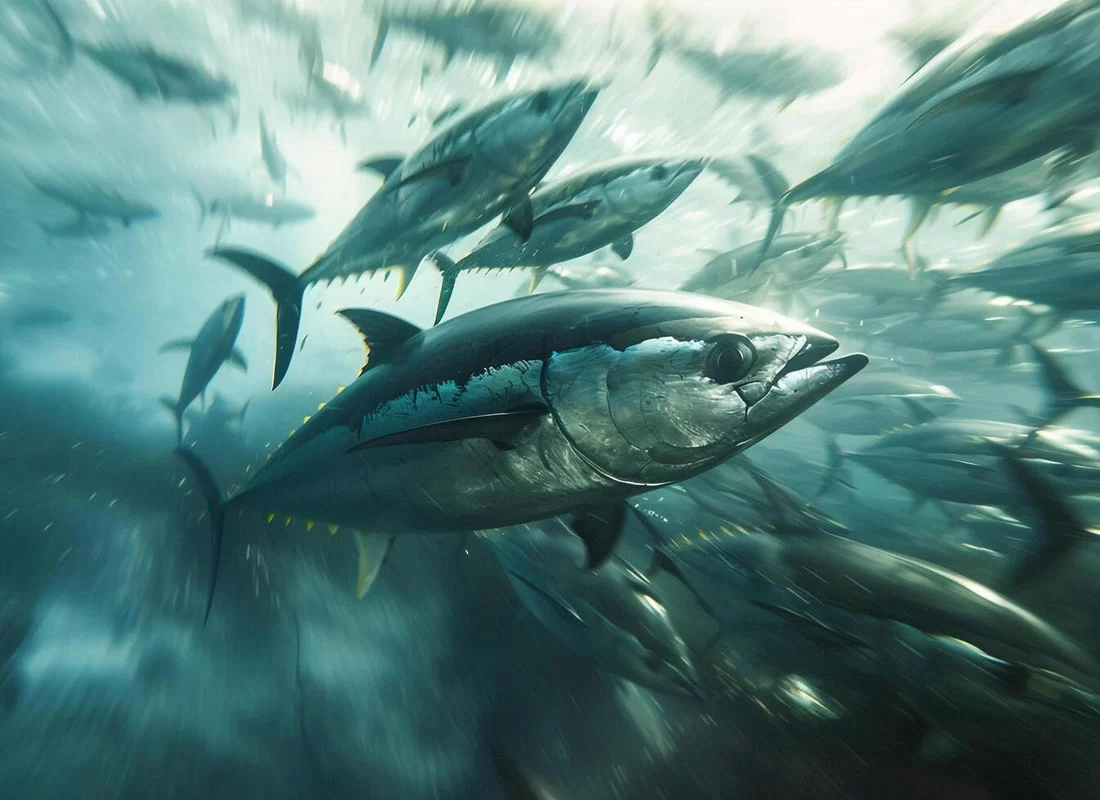
Recreational fishing along the Turkish Mediterranean coast provides anglers with diverse fishing opportunities, stunning landscapes, and a rich maritime culture. This article explores the recreational fishing scene in the region, covering popular techniques, key fish species, regulations, and challenges.
Stretching from the southwestern province of Muğla to the southeastern border with Syria, the Turkish Mediterranean coast offers a wide variety of fishing environments, including rocky shores, sandy beaches, estuaries, and deep offshore waters. The region’s warm climate and nutrient-rich waters attract both local and international anglers year-round.
Recreational fishing plays a vital role in the coastal economies of the Turkish Mediterranean, significantly contributing to both local livelihoods and the overall tourism sector. Towns like Antalya, Alanya, and Kaş experience a substantial influx of fishing tourists, who are drawn not only by the abundant marine life but also by the stunning coastal landscapes and the rich cultural heritage of the region.
The presence of these fishing enthusiasts directly benefits local businesses, creating a ripple effect throughout the community. Fishing charter services flourish as more tourists seek guided experiences on the water, providing opportunities for local captains and crews. Tackle shops thrive as anglers purchase gear, bait, and other essentials, further injecting cash flow into the local economy.
Waterfront restaurants also see a surge in patronage, as visitors are often eager to enjoy freshly caught seafood while taking in picturesque views of the Mediterranean. This increase in demand not only enhances the dining scene but also creates jobs for local chefs, servers, and staff.
Beyond immediate financial benefits, the economic contributions from visiting anglers help sustain the livelihoods of coastal communities. They create jobs in various sectors, including hospitality, retail, and transportation, and contribute to tax revenues that support public services and infrastructure.
Moreover, recreational fishing promotes environmental awareness and conservation efforts, as many anglers are keen to preserve the natural beauty and biodiversity of the region. This sustainable approach to fishing encourages responsible practices and fosters a sense of stewardship among both tourists and locals.
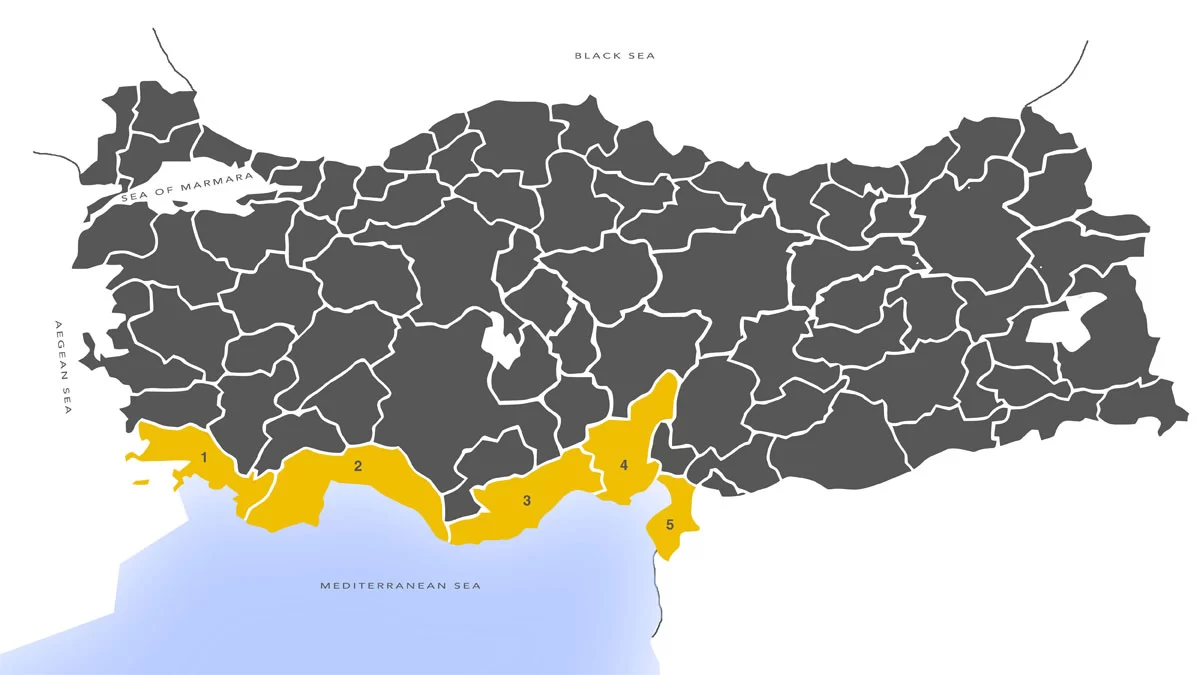
The Turkish Mediterranean coastline spans several provinces, each offering unique fishing experiences:
1. Muğla
Though commonly associated with the Aegean, its southeastern coastline is part of the Mediterranean, offering excellent fishing spots near Fethiye and Faralya.
2. Antalya
A prime fishing destination with hotspots like Kaş, Kalkan, Kemer, Side and Alanya, known for deep-sea fishing and diverse marine life.
3. Mersin
Offers a mix of shore and boat fishing opportunities, with a variety of coastal habitats supporting numerous fish species such as Spanish Mackerel and White Grouper.
4. Adana
The Yumurtalık Lagoon and surrounding waters provide excellent conditions for inshore fishing. Leerfish, Sea Bass and Bluefish are well presented in this area.
5. Hatay
The southernmost province, featuring rich estuarine and coastal fishing opportunities, influenced by the confluence of Mediterranean and Levantine marine ecosystems.
Anglers in the Turkish Mediterranean use a variety of fishing methods tailored to the region’s species and habitats:
1. Shore Fishing
Common along rocky coastlines and sandy beaches, targeting species like sea bream and sea bass.
2. Boat Fishing
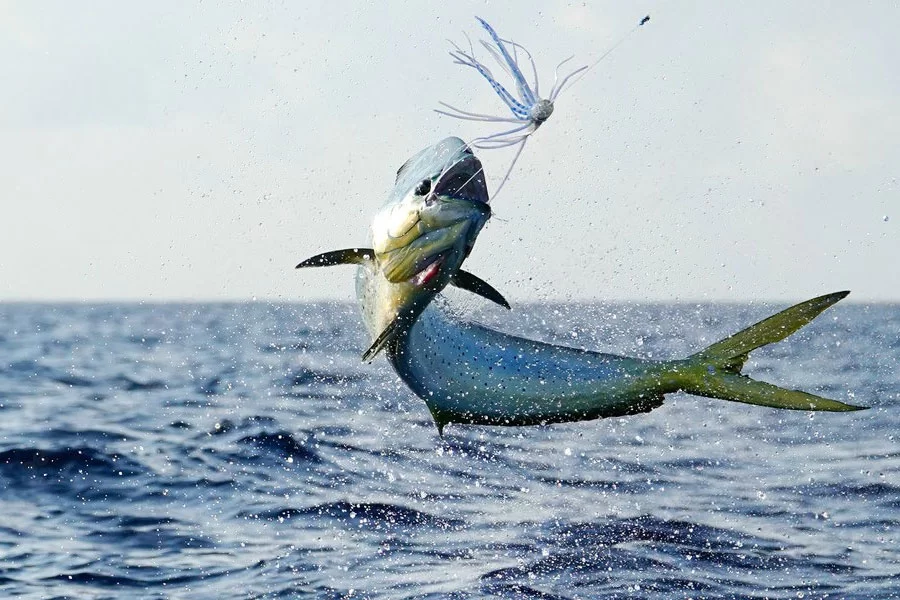
Offers access to deeper waters where species like tuna and mahi mahi can be found.
3. Spearfishing
Popular in clear waters, allowing divers to hunt groupers and dentex.
4. Trolling:
Used to catch fast-moving pelagic fish such as albacore and bluefin tuna.
The growing popularity of recreational fishing has led to an increase in the use of modern fishing equipment:
1. Fish Finders and GPS Devices: Help anglers locate fish-rich areas
2. High-Performance Fishing Rods and Reels: Improve casting accuracy and handling of large fish.
3. Artificial Lures and Baits:Designed for targeting specific species.
Recreational fishermen in the Turkish Mediterranean target a variety of species, including:
Understanding the seasonal patterns of fish species enhances the success rates for anglers:
| Species | Jan | Feb | Mar | Apr | May | Jun | Jul | Aug | Sep | Oct | Nov | Dec |
|---|---|---|---|---|---|---|---|---|---|---|---|---|
| Bluefish | Fair | Fair | Good | Good | Good | Good | Great | Great | Great | Good | Good | Fair |
| Sea Bass | Good | Good | Great | Great | Great | Good | Fair | Fair | Good | Great | Great | Great |
| Chub Mackerel | Weak | Weak | Weak | Fair | Fair | Good | Good | Great | Great | Great | Fair | Weak |
| Bonito | Weak | Weak | Weak | Weak | Good | Great | Great | Great | Great | Good | Weak | Weak |
| Mullet | Fair | Fair | Good | Great | Great | Good | Good | Great | Great | Good | Fair | Fair |
| Pink Dentex | Weak | Weak | Fair | Good | Good | Great | Great | Great | Good | Fair | Weak | Weak |
| Horse Mackerel | Good | Good | Great | Great | Great | Good | Good | Great | Great | Great | Good | Good |
| Garfish | Weak | Weak | Weak | Weak | Fair | Good | Great | Great | Great | Fair | Weak | Weak |
| Common Pandora | Weak | Weak | Fair | Good | Good | Good | Fair | Fair | Good | Good | Fair | Weak |
| Salema Porgy | Weak | Weak | Fair | Fair | Good | Good | Good | Great | Great | Fair | Weak | Weak |
| Common Dentex | Weak | Weak | Fair | Good | Good | Good | Fair | Fair | Good | Fair | Weak | Weak |
| Saddled Sea Bream | Fair | Fair | Good | Good | Good | Great | Great | Great | Good | Fair | Fair | Weak |
| Two-Banded Sea Bream | Fair | Fair | Good | Good | Good | Great | Great | Great | Good | Fair | Fair | Weak |
| Red Snapper | Weak | Weak | Fair | Good | Good | Good | Fair | Fair | Good | Fair | Weak | Weak |
| Bluespotted Sea Bream | Fair | Fair | Good | Good | Good | Great | Great | Great | Good | Fair | Fair | Weak |
| Little Tuna | Weak | Weak | Fair | Good | Good | Great | Great | Good | Fair | Fair | Weak | Weak |
| Atlantic Bonito | Weak | Weak | Weak | Weak | Good | Great | Great | Great | Great | Good | Weak | Weak |
| Bullet Tuna | Weak | Weak | Fair | Good | Good | Great | Great | Good | Fair | Fair | Weak | Weak |
| Albacore | Weak | Weak | Fair | Good | Good | Great | Great | Good | Fair | Fair | Weak | Weak |
Overfishing, habitat destruction, and pollution pose significant threats to fish populations along the Turkish Mediterranean coast. Conservation efforts include marine protected areas, catch and release initiatives, and public awareness campaigns to promote sustainable fishing practices.
The Turkish government enforces various regulations to protect fish stocks, including size and bag limits, seasonal fishing bans, and licensing requirements for recreational anglers. Adhering to these regulations helps maintain healthy marine ecosystems and ensures the sustainability of fish populations.
Recreational fishing in the Turkish Mediterranean offers diverse opportunities for anglers of all levels. With proper conservation efforts and adherence to regulations, the region can continue to thrive as a top fishing destination while preserving its rich marine biodiversity.