Common Names
English: Pamphylian scraper, Antalya Barb, Siraz Fish
Turkish: Sıraz balığı
Size
Average Size: 15-25 cm
Maximum Size: Up to 35 cm
Scientific Classification
Kingdom: Animalia
Phylum: Chordata
Class: Actinopterygii
Subclass: Elasmobranchii
Order: Cypriniformes
Family: Cyprinidae
Genus: Capoeta
Species: Capoeta antalyensis
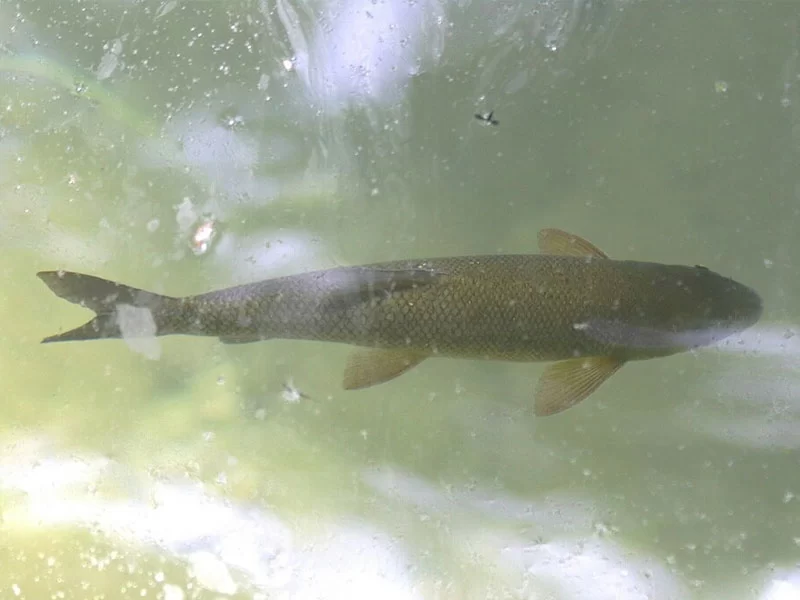
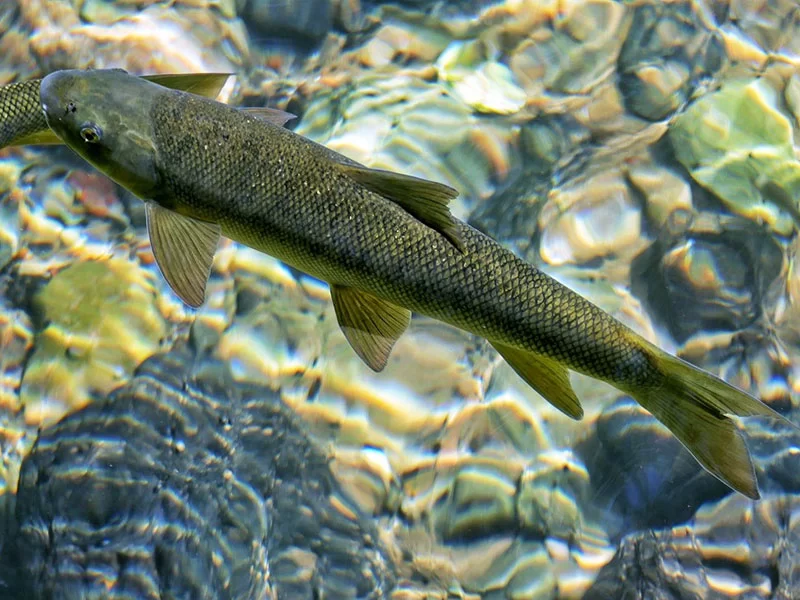
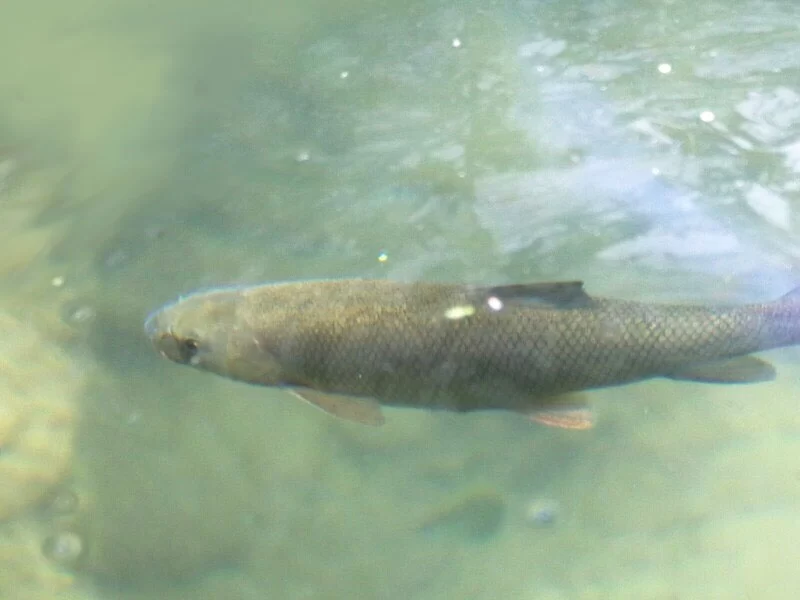
Appearance
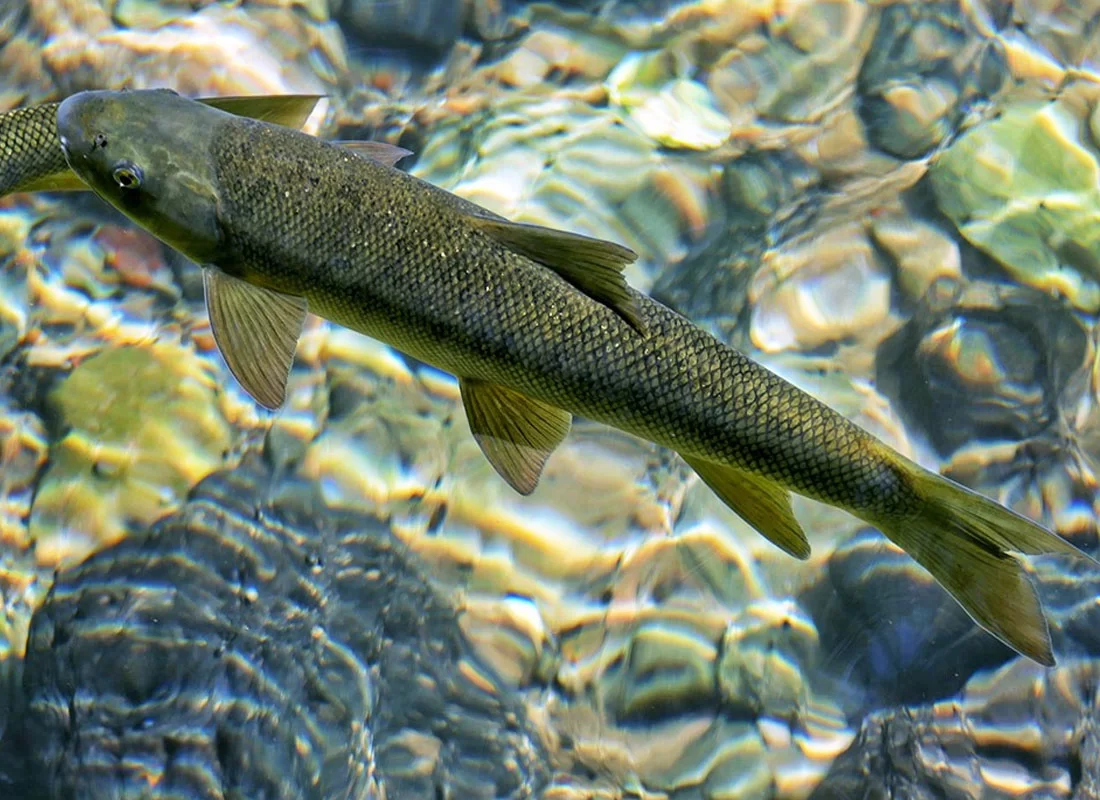
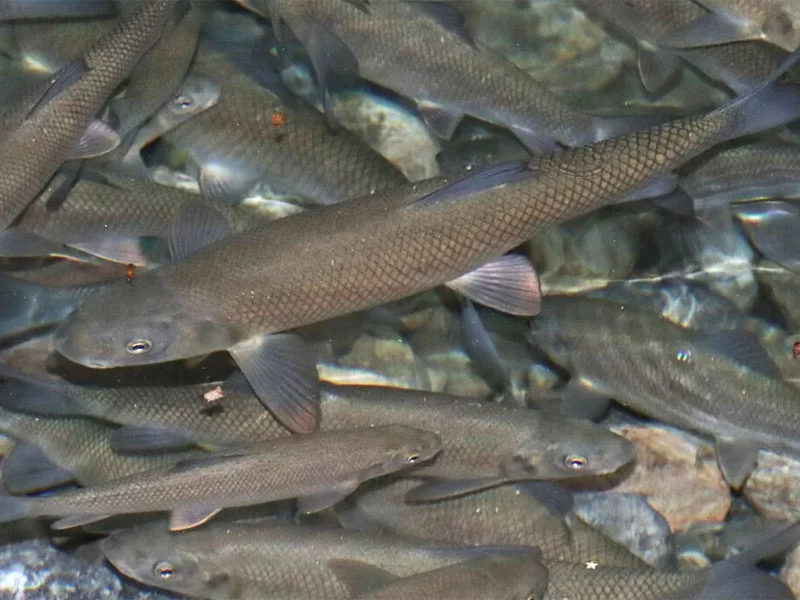
Elongated, cylindrical body.
Downward-pointing mouth with fleshy lips.
Coloration is typically brownish or grayish with darker markings.
Distinguishing Features: Downward-pointing mouth and fleshy lips.
Conservation Status:
Vulnerable (VU)
Classified as “Vulnerable” on the IUCN Red List, this species’ survival depends on urgent action to regulate fishing and safeguard key habitats. Implementing protected areas alongside stricter fishing regulations is crucial for reversing population declines and securing their future.
Capoeta antalyensis, commonly known as the Antalya barb or Pamphylian scraper, differs from other species in the Capoeta genus primarily in its restricted geographic range and habitat preferences. This species is endemic to Türkiye, specifically found in the Aksu and Köprüçay River drainages that flow into the Gulf of Antalya. Unlike other Capoeta species with broader distributions across Western Asia, C. antalyensis inhabits a more localized area, thriving in swiftly flowing rivers and occasionally in lakes within its limited range.

Another key distinction lies in its conservation status and threats. While many other Capoeta species face challenges from habitat degradation, C. antalyensis is particularly vulnerable due to its restricted habitat and the ongoing impact of human activities such as dam construction and water pollution. This makes it one of the more threatened members of the genus, emphasizing the need for targeted conservation efforts to preserve its unique ecosystem.
Morphologically, C. antalyensis shares similarities with other Capoeta species, such as its scraper feeding behavior and adaptation to fast-flowing waters. However, genetic studies suggest significant biogeographical distinctions within the genus, dividing it into clades like the Anatolian-Iranian group, to which C. antalyensis belongs. This genetic divergence highlights its evolutionary uniqueness compared to other species like Capoeta pestai from Lake Eğirdir or Capoeta banarescui from Çoruh River system.
Regulations and Ban
Recreational Fishing
Not a target species for recreational fishing.
Accidental catches should be released immediately and with minimal harm.
It is crucial to be aware of and respect the protected status of this species.
Safety: Be aware of river currents and slippery rocks when fishing in its habitat. There may be a danger of flooding during the rainy season.
Is Antalya Barb a Game Fish?
No, and Yes
Because the Pamphylian scraper is vulnerable, anglers should avoid targeting it. However, some other Capoeta species are known for their powerful fight, making them a popular challenge among fly fishermen in Türkiye.
Habitat and Distribution
Found in freshwater rivers and streams. Prefers clear, flowing waters with rocky or gravel substrates.
Distribution: Endemic, specifically found in the Aksu and Köprüçay River drainages that flow into the Gulf of Antalya
Ecological Role
Benthic feeder, feeding on algae, invertebrates, and detritus.
Quick Facts
| Common Names (English) | Common Names (Turkish) | Size | Habitat | Conservation Status |
|---|---|---|---|---|
| Pamphylian scraper | Sıraz balığı | 15-35 cm | Freshwater Rivers and Streams | Vulnerable (VU) |