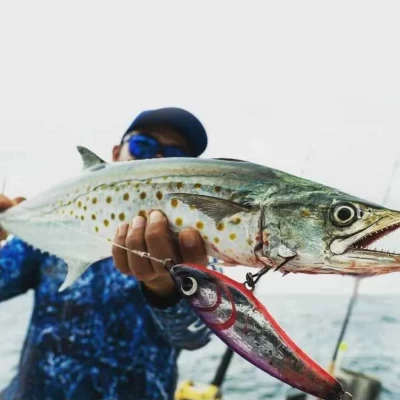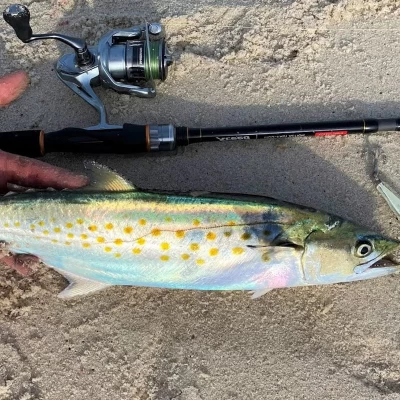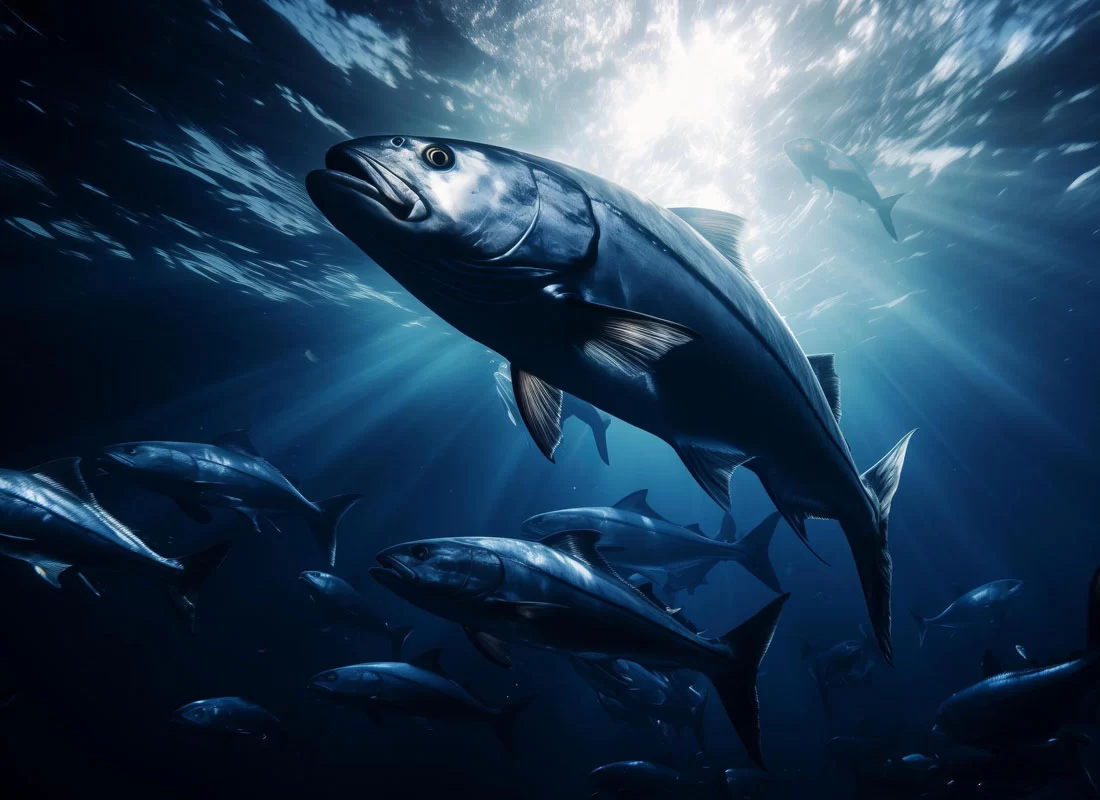
Bluefish, or Lüfer in Turkish, is a staple of Istanbul’s rich maritime culture and culinary tradition. As a predator of the deep waters, this fast-moving fish has played a vital role in the Sea of Marmara’s ecosystem for centuries. It has also been integral to the livelihoods of fishermen and the cultural fabric of the city. In this article, we explore the fascinating history of bluefish fishing in Istanbul, the challenges it faces in the modern world, and its continued importance in local cuisine.
History of Bluefish Fishing in Istanbul
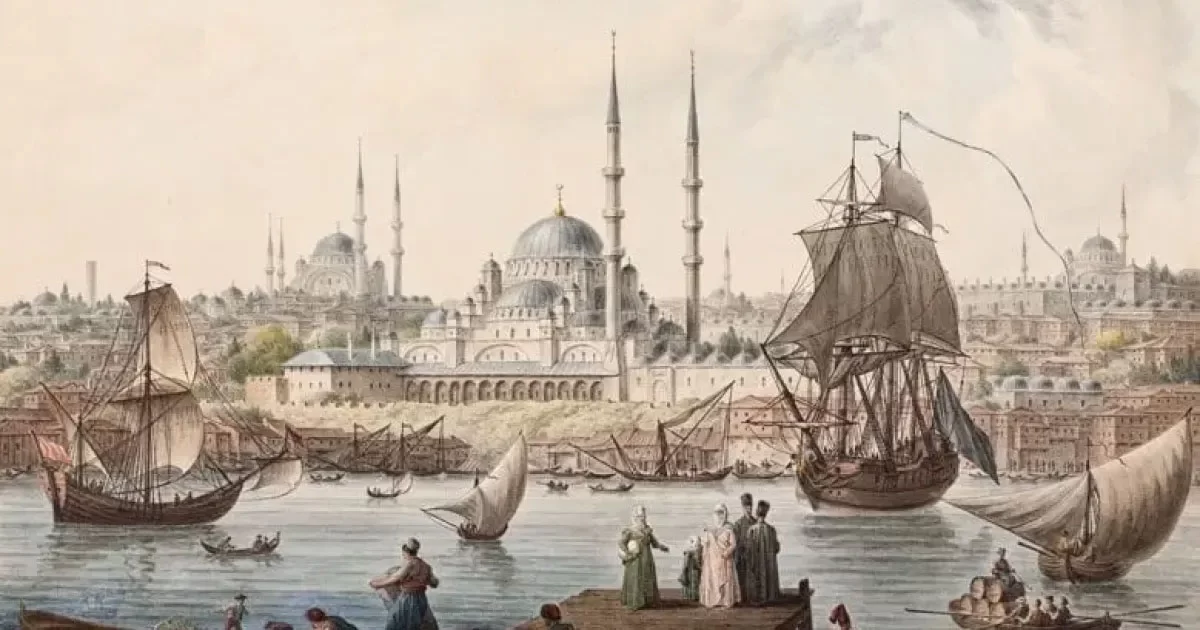
The history of bluefish fishing in Istanbul spans centuries, with the species playing an essential role in the city’s cultural, economic, and culinary heritage. Its significance can be traced back to ancient times, from the Byzantine period through the Ottoman Empire, and continues into the modern era. Bluefish has not only been a staple for local fishermen but also a symbol of Istanbul’s unique connection to the Sea of Marmara.
Byzantine Era
In the Byzantine period, fishing was an essential industry around Istanbul, known then as Constantinople. The city’s strategic location along the Bosphorus Strait allowed for easy access to the rich marine resources of the Sea of Marmara. Bluefish, abundant in the region, was a preferred catch for local communities. However, fishing during this time was largely done using traditional methods such as small boats and handlines.
The Byzantines had a well-established network of fish markets, where bluefish was often sold fresh and featured in the diets of both the wealthy and common folk. Historical records show that fish, including bluefish, were important not only as food but also in religious practices, as fasting days saw an increased consumption of fish among Christians.
Ottoman Empire
During the Ottoman period, bluefish fishing in Istanbul became even more structured and significant, reflecting the empire’s sophisticated approach to trade and resource management. The Ottomans capitalized on Istanbul’s proximity to both the Sea of Marmara and the Black Sea, which allowed them to access an array of fish species, with bluefish at the forefront. Fishing techniques evolved, and larger-scale operations using nets and traps began to dominate. Istanbul’s waterfront, particularly the Bosphorus and the Golden Horn, saw bustling fish markets where bluefish was sold to the growing population.
Bluefish, with its rich taste and nutritional value, also became a key feature of Ottoman cuisine. It was frequently prepared in a variety of ways, from grilling to stews, and was considered a delicacy. It was especially prized during the summer months when bluefish migrations made them more plentiful. The relationship between the city’s inhabitants and bluefish was so intertwined that it even influenced cultural practices, such as social gatherings around fish feasts.
Modern Times
In the modern era, particularly in the 20th century, bluefish fishing has faced significant challenges due to overfishing, pollution, and the rise of industrial fishing techniques. The expansion of the city and its increasing population placed greater pressure on local marine resources. As a result, fish stocks, including bluefish, began to decline in the Sea of Marmara. However, bluefish remained a central figure in Istanbul’s culinary scene, and traditional fishermen continued to catch the fish, although their numbers dwindled over time.
In recent years, with the growing interest in sustainability, there has been a resurgence in both commercial and recreational fishing for bluefish. The role of bluefish in Istanbul’s gastronomy remains as important as ever, and it continues to be a symbol of the city’s deep maritime culture. Recreational anglers have played an increasingly important role in advocating for sustainable fishing practices and contributing to the preservation of the species.
Environmental Challenges in the Sea of Marmara
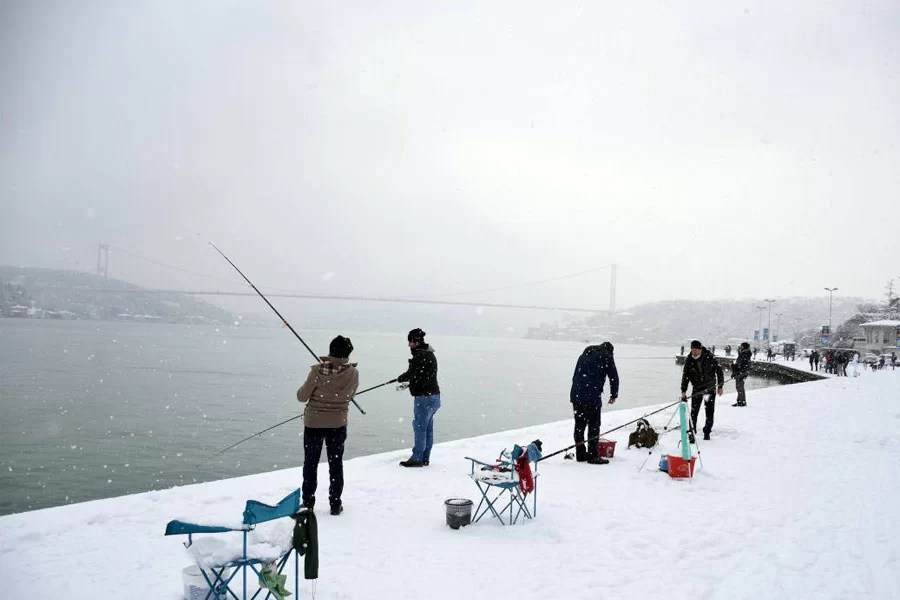
However, the bluefish’s role in Istanbul’s history and culture is under threat. The Sea of Marmara, which once teemed with marine life, faces significant environmental challenges today. Overfishing, pollution, and habitat destruction have taken a toll on the bluefish population. The fish’s migration patterns have been disrupted, and the once-thriving fishing grounds have become less productive.
The Sea of Marmara is also suffering from an increased influx of pollution, including industrial waste and untreated sewage, which have made the waters toxic for many species. These environmental pressures have not only impacted bluefish but have also jeopardized the entire ecosystem. The future of bluefish fishing in Istanbul is uncertain, as the sea’s health continues to deteriorate. Urgent action is required to ensure that both the bluefish and the traditions tied to it can survive for future generations.
The Importance of Recreational Bluefish Fishing
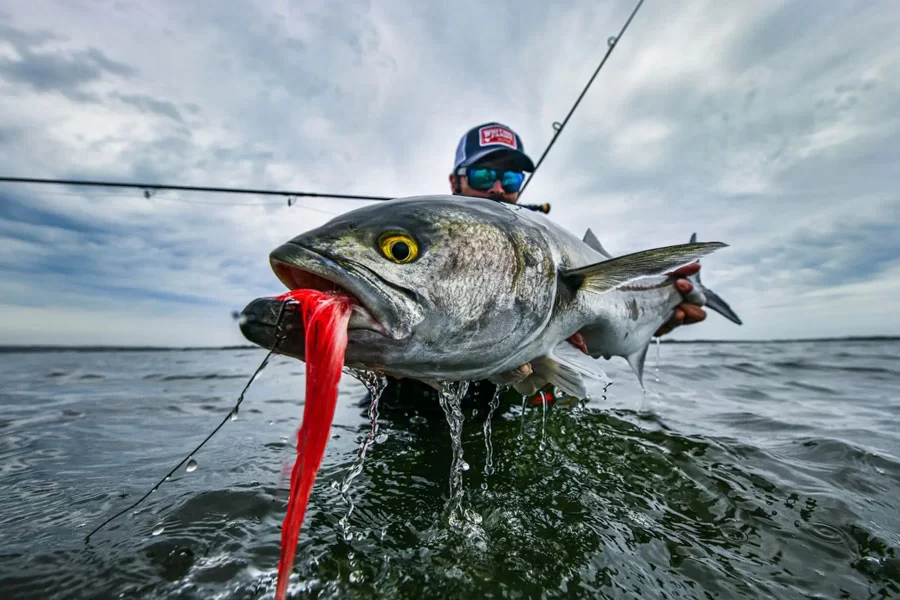
Recreational fishing plays a crucial role in the preservation of bluefish populations in Istanbul’s waters. While commercial fishing, with its large-scale methods, often leads to overfishing and the depletion of stocks, recreational angling offers a more sustainable alternative. Anglers practicing catch-and-release techniques ensure that bluefish populations remain healthy while still enjoying the sport. By adhering to regulations and practicing responsible fishing, recreational anglers can help maintain a balanced ecosystem in the Sea of Marmara.
Moreover, recreational bluefish angling fosters public awareness of the species and the environmental challenges facing the Sea of Marmara. As more anglers connect with the waters and the fish, there is a greater understanding of the need for conservation efforts and sustainable practices. This growing community of eco-conscious anglers can be a driving force in advocating for policies that protect marine life and ensure the long-term health of local fish populations.
To explore the science and strategy behind bluefish angling—and what makes them such prized gamefish—check out our full profile in The Bluefish Chronicles
Sustainable Fishing Practices and Why They Matter
In response to these challenges, sustainable fishing practices have become increasingly important in protecting bluefish and other marine species in the Sea of Marmara. Implementing strict fishing quotas, using eco-friendly nets, and enforcing bluefish seasonal bans during breeding periods are some of the key strategies for ensuring the fish population remains healthy. By allowing bluefish to spawn and replenish their numbers, fishermen can help maintain the balance of the ecosystem.
Additionally, reducing pollution levels in the Sea of Marmara is crucial for the long-term survival of bluefish. This involves better waste management practices, improvements in sewage treatment facilities, and raising awareness about the environmental impact of human activity on marine life. Sustainability is key not only for the fish but for the future of Istanbul’s fishing culture.
The Role of Bluefish in Local Istanbul Cuisine

Bluefish is deeply ingrained in Istanbul’s culinary identity. Every fall, as bluefish becomes abundant, the city’s fishermen bring their catches to the bustling fish markets, where it is sold fresh to eager buyers. Istanbulites, who take great pride in their seafood traditions, often grill bluefish over open flames, enjoying its rich, fatty flavor that embodies the essence of the sea. Typically served with rakı (Turkish aniseed liquor) and fresh bread, bluefish is not just a meal; it’s an experience, marking the season’s change and the city’s connection to the water.
Beyond grilling, bluefish is also used in a variety of traditional dishes, such as stews, soups, and even pickled for preservation. Its versatility in the kitchen makes it a beloved dish throughout the city. The fish’s role in Istanbul’s cuisine is a testament to its longstanding cultural significance.
Decline of Traditional Fishing and its Cultural Implications
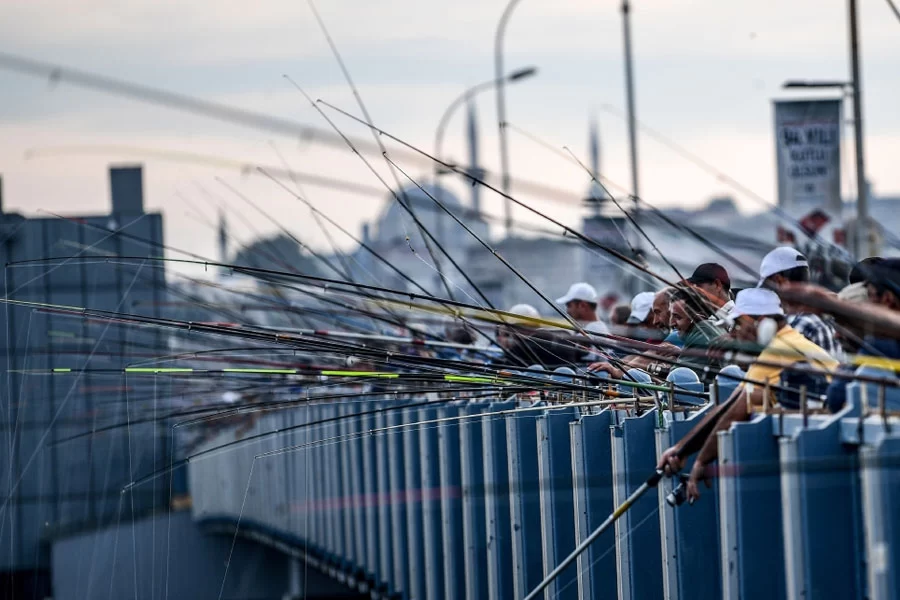
The decline of traditional bluefish fishing in Istanbul is more than just an environmental concern—it also represents the erosion of a cultural heritage. The methods used by local fishermen, who relied on small boats and sustainable practices, are gradually being replaced by larger industrial trawlers. These machines scoop up vast amounts of fish, including bluefish, often before they reach their breeding size, putting further strain on the fish population.
As traditional fishing methods fade, so too does the connection between Istanbul’s people and the sea. The fishing communities that once thrived along the shores of the Bosphorus are now fewer in number, and the skills passed down through generations are at risk of being lost. This decline is not only affecting the environment but also the cultural identity of the city.
If these trends continue, future generations of Istanbulites may find themselves disconnected from the rich maritime culture that has shaped the city for centuries. Preserving traditional fishing methods and protecting the health of the Sea of Marmara are essential for maintaining both the local ecosystem and the cultural heritage that defines Istanbul.
The Residents' Connection to Bluefish
The idea of resting the seas holds promise for revitalizing fish stocks and restoring traditional fishing methods.
For many Istanbul residents, bluefish, or lüfer, is not just a fish—it is an integral part of their lives and memories. Some recall the days when they would visit Yenikapı Fish Market in the 1980s, purchasing fish for a few coins and sharing the bounty with neighbors and workers. For them, the bluefish, along with other local fish like çinakop, symbolized an abundant past when the waters of the Bosphorus teemed with life. Today, they hope that, with efforts to protect and manage marine ecosystems, such as introducing fishing moratoriums and training fishermen, those golden days could return.
In addition to nostalgia, bluefish also represents the thrill of fishing for many. For them, the bluefish is the heart of coastal life—accompanying long talks over tea on cool evenings. Many Istanbulites also recall their childhoods, when bluefish was a regular feature on their dinner tables, a cherished part of family gatherings. There’s a shared sentiment that lüfer is not just a fish; it’s a cultural treasure that connects generations, and protecting it is essential for preserving Istanbul’s rich maritime heritage.
Conclusion
The story of bluefish in Istanbul is one of deep connection, tradition, and transformation. From its role in the city’s fishing history to its place on the dinner table, bluefish has been a symbol of the city’s relationship with the sea. However, with environmental challenges and the decline of traditional fishing, its future is uncertain. By adopting sustainable practices and committing to the preservation of both the fish and the sea, we can ensure that bluefish continues to play its role in Istanbul’s cultural and culinary identity for generations to come.