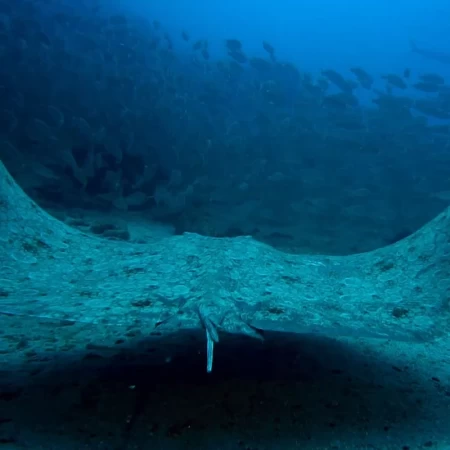
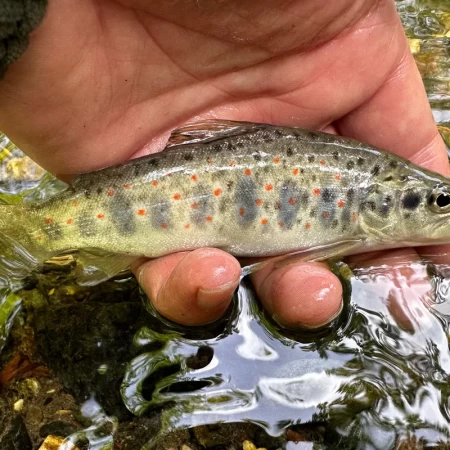
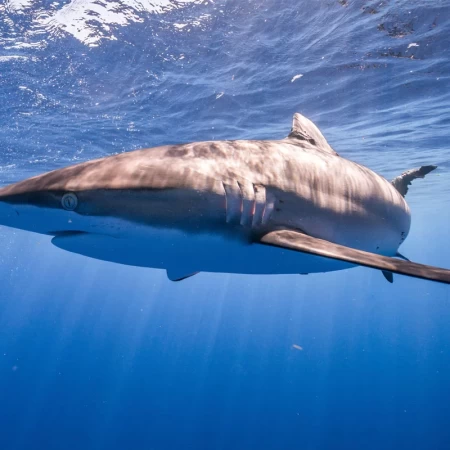
In some regions certain fish species are banned from fishing due to their ecological impact or endangered status. Among these are the giant butterfly ray, silky shark, and various species of sturgeons, which face threats from overfishing and habitat loss. These bans aim to protect vulnerable populations and maintain marine biodiversity, highlighting the importance of sustainable fishing practices and environmental stewardship.

What is banned fish species?
Banned fish species refer to fish that are legally protected from being caught, sold, or traded due to various reasons such as conservation efforts, ecological concerns, or international agreements. These species are often threatened by overfishing, habitat loss, or other human activities. Examples of banned or protected fish species include the giant butterfly ray, silky shark, and various species of sturgeons. These bans are part of broader efforts to prevent illegal, unreported, and unregulated(IUU)fishing practices, which can severely impact marine ecosystems and biodiversity.
How does the ban on fish species vary between different countries?
The ban on fish species varies significantly between different countries, reflecting local ecological conditions, conservation priorities, and international agreements. Here are some key differences:
Regulatory Frameworks:
Pacific Island Countries: These nations often implement size limits and species bans to protect threatened species like giant clams and corals. Communities are encouraged to support these regulations to ensure sustainable fishing practices.
European Union: The EU has a landing obligation that requires fishers to land all catches, with exemptions for certain species or situations where catches are unavoidable or have high survivability rates.
Species Protection:
Global Protections: The Convention on International Trade in Endangered Species of Wild Fauna and Flora (CITES) provides a global framework for controlling the trade of endangered species, including marine species like sharks and giant clams.
Regional Focus: Some countries focus on protecting species specific to their ecosystems. For example, parrotfish are protected in some regions because they help maintain coral health.
Implementation Challenges:
Enforcement and Awareness: Effective enforcement and public awareness are crucial for the success of species bans. Communities must be informed about protected species to ensure compliance.
Economic Considerations: Bans can impact local economies, so countries often balance conservation goals with economic needs, sometimes allowing for limited catches under specific conditions.
Ecological Impact:
Fishing Bans and Ecosystem Recovery: Studies have shown that fishing bans can lead to increased biodiversity and ecosystem stability, though they may also have unintended effects like changes in water quality.
What are the penalties for possessing banned fish species?
Penalties for possessing banned fish species vary significantly across different countries and jurisdictions, reflecting the severity of the offense and the specific laws in place. Here are some examples:
Türkiye:
Under Fisheries Law No. 1380, possessing banned fish species can result in administrative fines, confiscation of the catch and fishing gear, or both. Repeated or large-scale violations may lead to higher fines, legal action, or even vehicles used in the offense may be seized. Additionally, under Environmental Law No. 2872, further penalties may apply if the violation causes ecological damage.
New Zealand:
Under the Fisheries Act 1996, serious offenses involving large quantities of fish or selling illegally caught fish can result in imprisonment for up to five years, fines up to $250,000, or both. Additionally, vehicles used in the offense may be seized.
United States:
The Lacey Act imposes penalties for importing, exporting, or selling fish taken in violation of laws. Civil penalties can reach up to $10,000 per violation.
Under the Endangered Species Act, knowingly violating regulations can result in fines up to $25,000 upon conviction.
In Florida, penalties for violating endangered species laws include imprisonment and fines, with additional penalties for specific species.
Australia:
In Western Australia, possessing noxious (banned) fish can lead to penalties of $10,000 or more.
In New South Wales, penalties for fisheries offenses include fines and potential court proceedings for offenses like possessing prohibited size fish or contravening fishing closures.
What factors influence the severity of penalties for fisheries offenses?
The severity of penalties for fisheries offenses is influenced by several key factors:
Seriousness of the Offense:
The type and severity of the offense, including whether it involves endangered species or significant environmental damage, play a crucial role in determining penalties.
Offenses that involve large financial gains or significant environmental impact are typically penalized more severely.
Previous Offending History:
Repeat offenders often face higher penalties. In some jurisdictions, repeated offenses can lead to prosecution rather than administrative penalties.
Environmental Impact:
The extent of environmental damage caused by the offense, such as harm to protected species or ecosystems, can increase the severity of penalties.
Value of the Catch:
The financial value of the illegal catch is considered when determining penalties. If the financial gain exceeds the proposed penalty, the penalty may be increased.
Volume of Catch:
The quantity of fish caught illegally can influence the severity of penalties, particularly in cases involving by-catch or significant volumes of protected species.
Social Acceptance and Enforcement:
The effectiveness of enforcement systems and societal attitudes toward fisheries offenses can impact how strictly penalties are enforced and perceived.
International Agreements:
Penalties may be influenced by international agreements and standards aimed at combating illegal, unreported, and unregulated(IUU)fishing.