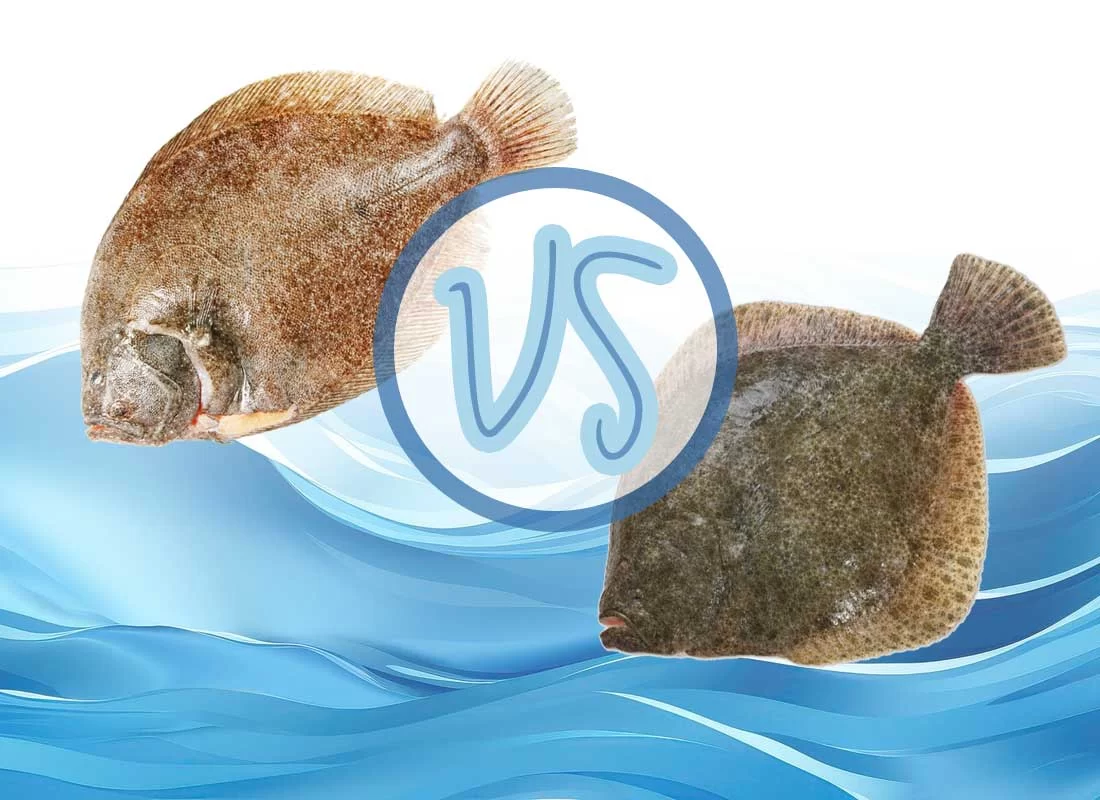
It’s easy to get excited about your next fishing adventure, especially when you’re targeting flatfish like brill and turbot. Both species offer anglers a thrilling challenge, and getting to know their unique characteristics can enhance your experience on the water. In this Brill vs Turbot article, you’ll learn how to distinguish between these two popular flatfish species, so you can make the most of your fishing outings.
Physical Appearance
First, let’s examine their physical appearances. While both brill and turbot have flat bodies that help them stay camouflaged on the ocean floor, you’ll notice several key differences when you look closely. Brill have a more elongated and oval shape, while turbot tend to be broader and more stout. When you encounter both species, take a moment to observe the contours. The brill is generally more streamlined, which allows it to maneuver gracefully through the water, whereas the turbot’s robust body gives it an imposing appearance.
Skin
As you inspect their skin, you’ll find another distinguishing feature. Brill have a smooth skin texture with fine scales that are more understated, whereas turbot have prominent, bumpy patches along their bodies, which often look like small raised bumps. The difference in texture can help you identify which species you’ve caught at a glance.
Coloration
As far as coloration, both fish sport a brownish or olive hue, perfect for blending into their sandy or gravelly environments. However, brill typically exhibit a more vibrant sheen, with markings that can range from pale spots to lighter blotches. In contrast, turbot display a more uniform color, but their skin often contains darker spots and a distinctive oval shape that adds to their uniqueness. Pay attention to these details when you reel one in; they’ll help you make the right identification.
Habitat
Habitat plays a significant role in where you might find these fish. Both species prefer sandy or muddy bottoms, but they often occupy slightly different areas. You might find turbot in shallower waters, often residing at depths of 20 to 70 meters. Brill, on the other hand, thrive in deeper offshore areas, typically ranging from 30 to 150 meters. Knowing where to cast your line can make a difference, so check our fishing spots guide for targeting these flatfish species.
Behavior
Let’s not overlook behavior. Brill tend to be more active and are known for their agility, while turbot are generally more solitary and can be somewhat lazy, often lying flat on the sea floor waiting for unsuspecting prey. Understanding these behavioral traits may enhance your chances of a successful catch, so keep an eye on your surroundings for signs of movement.
Distinguishing Features of the Brill Fish
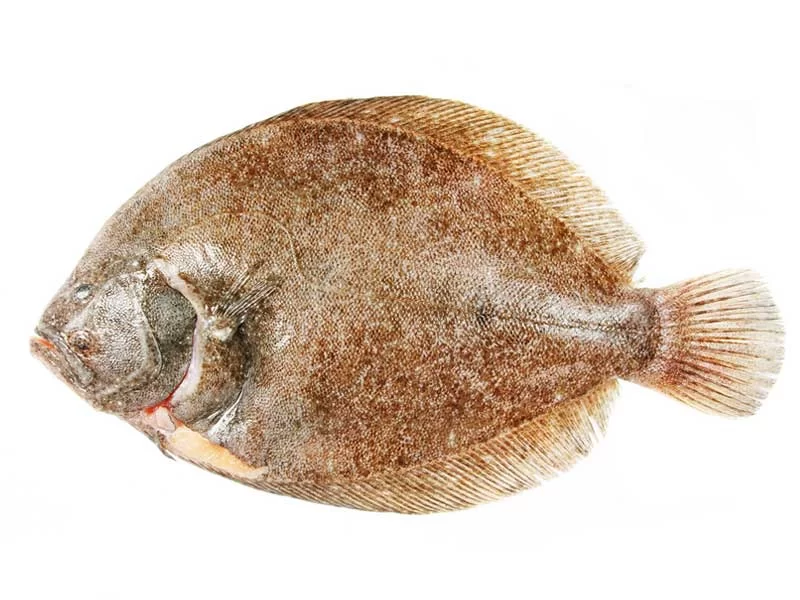
The Brill fish (Scophthalmus rhombus), a member of the turbot family, is a flatfish found in the northeast Atlantic, Black Sea, Baltic Sea, and Mediterranean, usually in deeper offshore waters. It has a slender, brown body with lighter and darker flecks (except on the tailfin) and a pale underside that aids in camouflage. Notable features include its ability to change color to blend into surroundings and a distinct dorsal fin with unfused rays giving it a frilly look. Brill can reach up to 75 cm and 8 kg, though most are smaller. Often confused with turbot, brill differs in body shape and fin structure, and the two species can hybridize.
Distinguishing Features of the Turbot Fish
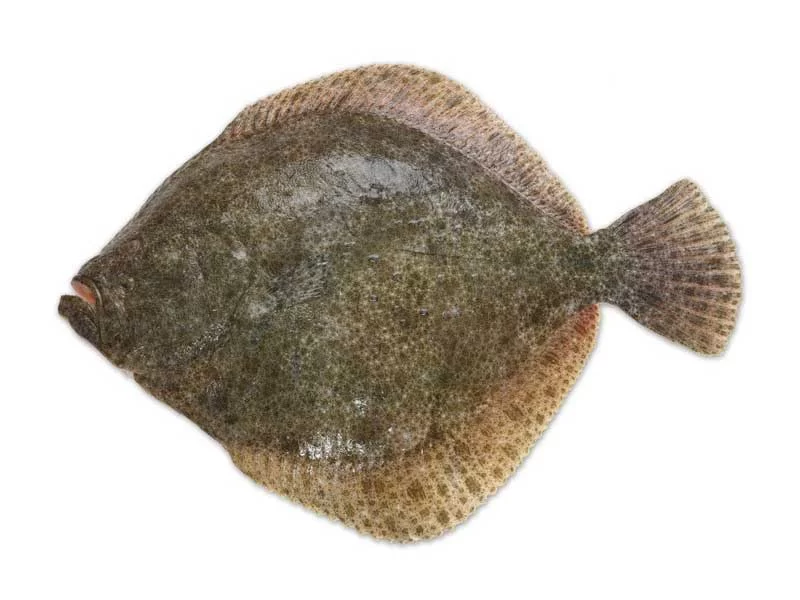
The Turbot fish (Scophthalmus maximus) is a left-eyed flatfish found in the Northeast Atlantic, Baltic Sea, and Mediterranean, known for its asymmetric, disk-shaped body adapted to life on the seafloor. It lies on its right side, with both eyes on the upper surface, allowing it to camouflage effectively in sandy habitats and ambush prey. Turbot can grow up to 1 meter and 25 kg, with rough, scale-covered skin and coloration that ranges from brown to grey with a lighter underside. Its long fins run along the body edges, aiding in movement through shallow coastal waters.
Common Mistakes When Identifying Brill and Turbot
Even seasoned anglers can misidentify brill and turbot, especially when working quickly or handling smaller specimens. One of the most frequent mistakes is relying solely on coloration—since both species adapt to their surroundings, color alone isn’t a reliable indicator.
Another common error is overlooking the skin texture; many assume both fish feel the same, but the turbot’s bumpy, scale-covered skin contrasts clearly with the brill’s smoother surface. Anglers may also confuse their body shapes, forgetting that turbot have a broader, more rounded profile, while brill are longer and more oval.
Lastly, not paying attention to habitat depth can lead to misjudgment—remember, turbot are more commonly found in shallower coastal waters, while brill usually prefer deeper offshore zones. Avoiding these simple missteps can make all the difference in confidently identifying your catch.
Comparing Brill vs Turbot: Key Differences at a Glance
The table below highlights the main physical and ecological differences between the brill (Scophthalmus rhombus) and the turbot (Scophthalmus maximus), two closely related flatfish species commonly found in overlapping marine regions. While both belong to the same family and share similar camouflage adaptations, they differ noticeably in body shape, size, skin texture, and preferred habitats—making side-by-side comparison useful for accurate identification in the wild.
| Feature | Brill (Scophthalmus rhombus) | Turbot (Scophthalmus maximus) |
|---|---|---|
| Family | Scophthalmidae (Turbot family) | Scophthalmidae (Turbot family) |
| Habitat | Aegean, Mediterranean, Black Sea | Aegean Sea, Mediterranean Sea |
| Preferred Depth | Deeper offshore waters | Shallow, sandy coastal waters |
| Body Shape | Slender, more elongated | Asymmetric, disk-shaped |
| Eye Position | Left-eyed flatfish | Left-eyed flatfish |
| Coloration (Upper Side) | Brown with lighter and darker flecks (not on tail) | Brown to grey, often mottled |
| Coloration (Underside) | Cream or pinkish white | Lighter (typically pale) |
| Camouflage Ability | Strong, can match surroundings | Strong, blends well with seabed |
| Skin Texture | Smooth with fine scales | Rough with small, coarse scales |
| Dorsal Fin | Partially unfused rays, creating frilly appearance | Long and continuous along body edges |
| Average Size | Typically smaller, max up to 75 cm, 8 kg | Larger, can grow up to 1 meter, 25 kg |
| Hybridization | Can hybridize with turbot | Can hybridize with brill |
| Common Confusion | Often mistaken for turbot | Often mistaken for brill |
In the end, learning to tell brill from turbot isn’t just a neat trick—it’s a skill that deepens your connection to the marine environment. Whether you’re angling from a boat or browsing at a fish market, knowing the difference enhances both your knowledge and appreciation of these remarkable flatfish.