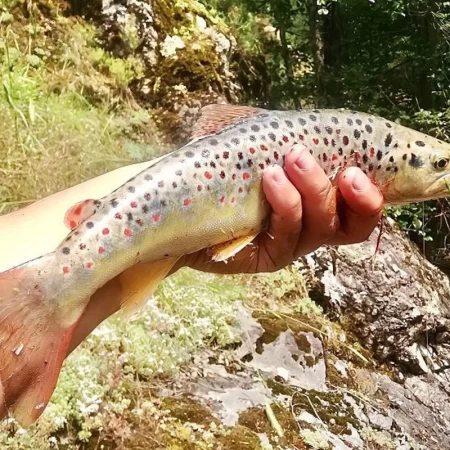
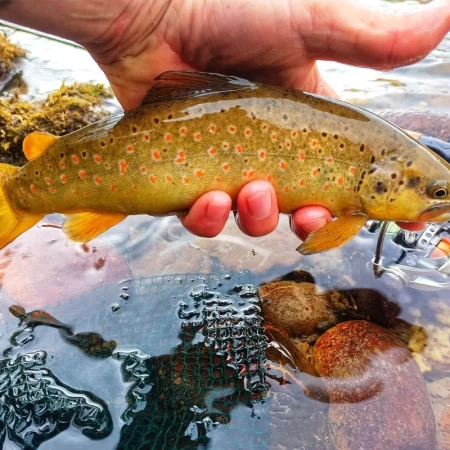
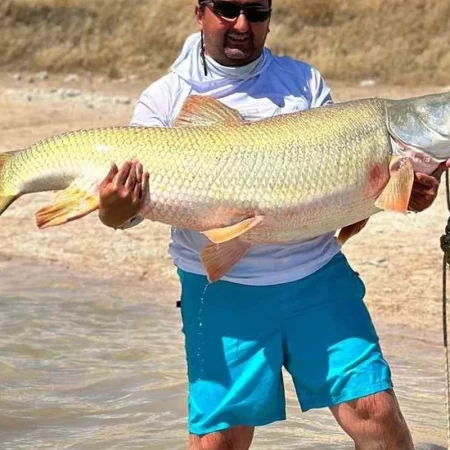
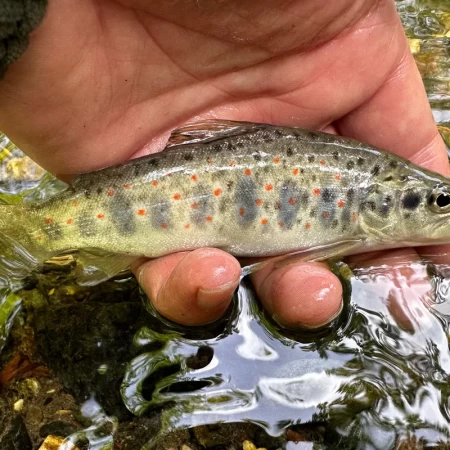
The freshwater ecosystems of Türkiye host a vibrant diversity of aquatic species, including perch, pike, zander, and freshwater carp. Thriving in rivers, lakes, and reservoirs, these species showcase the beauty and complexity of Türkiye’s freshwater environments. These ecosystems offer a fascinating glimpse into the interconnected world of aquatic life, making them a rewarding destination for nature enthusiasts.

Freshwater fish species are defined as aquatic vertebrates that inhabit freshwater environments such as rivers, lakes, and streams. These fish are characterized by their inability to survive in salty waters and typically live in environments with a salinity of less than 1.05%. Freshwater fish are crucial components of many aquatic ecosystems, serving as important food sources for humans and other animals. They exhibit a wide range of adaptations to thrive in diverse freshwater habitats.
Predation and Prey Dynamics: Native fish species help maintain the balance of aquatic ecosystems by controlling populations of smaller organisms like insects and plankton. This predation helps prevent any single species from dominating the ecosystem.
Nutrient Cycling: Fish contribute to nutrient cycling by consuming organic matter and excreting nutrients that support plant growth.
Habitat Creation: Some fish species, like the Angora loach, help maintain habitats by stirring up sediment, which can affect the distribution of plants and other organisms.
Competition for Resources: Non-native species, such as the introduced tilapia and carp, can compete with native fish for food and habitat, potentially leading to a decline in native populations.
Predation on Native Species: Some introduced species may prey on native fish or their eggs, further threatening native populations.
Habitat Alteration: Non-native fish can alter habitats through their feeding behaviors, such as stirring up sediment or consuming aquatic plants, which can change the structure of the ecosystem.
Some freshwater fish species are banned in Türkiye primarily due to conservation efforts aimed at protecting native species and ecosystems. Here are key reasons for these bans:
Conservation of Endangered Species: Many native fish species in Türkiye are endangered due to habitat degradation, pollution, and the introduction of non-native species. For example, sturgeon fishing was banned in 1998 to protect these critically endangered species. Similarly, Black Sea trout fishing is prohibited year-round to conserve this species.
Protection from Non-Native Species: Non-native species can outcompete native fish for resources, alter habitats, and disrupt the ecological balance. Species like the rainbow trout, while widely farmed, pose a risk to native salmonids if they escape into wild habitats. Therefore, regulations may restrict the introduction or spread of such species.
Environmental and Ecological Impact: Invasive species can lead to significant ecological changes, including declines in native fish populations. For instance, species like Carassius gibelio have negatively impacted native fish in Turkish reservoirs. Bans on certain species help mitigate these impacts.
International Agreements: Türkiye’s adherence to international agreements like CITES (Convention on International Trade in Endangered Species of Wild Fauna and Flora) also influences the regulation of certain fish species. This includes the protection of sturgeon species.
Climate change has significantly influenced freshwater fish species in Türkiye, primarily through alterations in habitat suitability, distribution, and ecosystem dynamics. Here are some key impacts:
Endemic Species Threats: The Central Anatolian Ecoregion (CAE), with its semi-arid climate, is home to numerous endemic fish species. Climate change is projected to reduce the suitable habitats for many of these species. Half of the endemic species in the CAE are expected to experience significant habitat loss by 2100 under high emissions scenarios.
Species Displacement: Rising temperatures and changing hydrological regimes can lead to shifts in species distribution. Some species may benefit from warmer conditions if other stressors remain constant, while others face extinction due to habitat loss.
Ecosystem Disruption: Climate change disrupts the ecological balance by altering water temperatures, dissolved oxygen levels, and nutrient cycles. This can lead to changes in species interactions and biodiversity loss.
Invasive Species: Climate change can facilitate the invasion of non-native species, which can outcompete native fish for resources and further threaten native populations.
Combined Stressors: Climate change exacerbates existing threats such as habitat destruction, pollution, and water management issues. These combined stressors put additional pressure on freshwater ecosystems.
Water Scarcity and Quality: Increased drought and groundwater abstraction have reduced lake sizes and affected water quality, further impacting fish habitats.