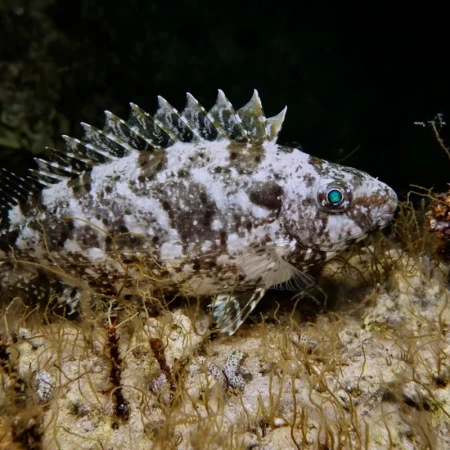
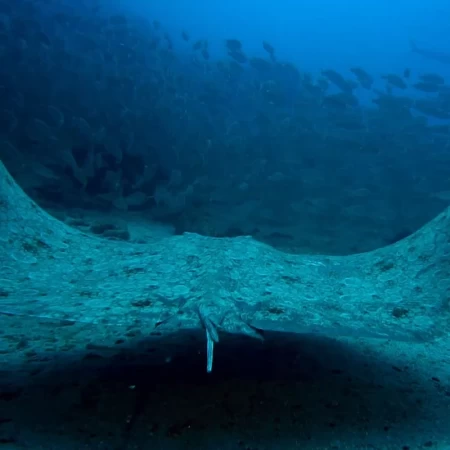
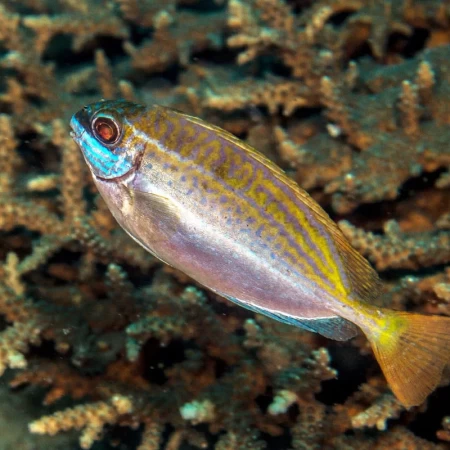
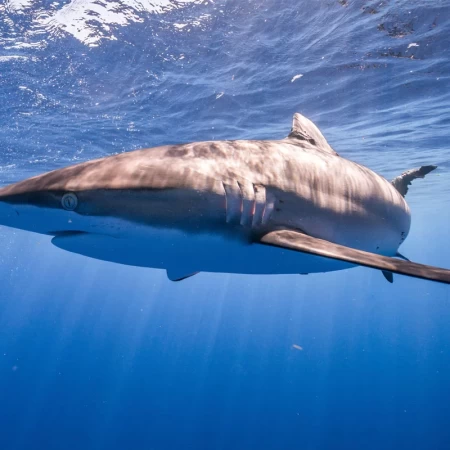
The waters of Türkiye are home to a diverse array of marine life, including some species that can pose a danger to humans. Among these are the venomous lionfish, greater weever, and striped eel catfish, all known for their painful and potentially harmful stings. These species, often introduced through human activities or influenced by climate change, highlight the importance of understanding, respecting, and taking precautions in the marine ecosystem.

What is dangerous fish species?
Dangerous fish species in Turkish waters refer to aquatic species that pose significant risks to humans, marine ecosystems, or other animals due to their venom, toxins, aggressive behavior, or invasive nature. These species can be found in both marine and freshwater environments and include a variety of dangerous and invasive fish.
Examples of marine species include the striped eel catfish, silver-cheeked toadfish, lionfish, stonefish, and puffer fish, all of which are known for their venomous spines or toxic flesh. Additionally, barracudas and certain sharks, such as the blue shark and sandbar shark, are present in Turkish waters and may pose risks due to their predatory nature. In freshwater ecosystems, species like northern pike and zander (predatory fish) and invasive species such as the gibel carp threaten native biodiversity.
How do dangerous fish species affect Turkish marine ecosystems?
These species impact ecosystems by:
– Predation: Species like lionfish prey on native fish populations, reducing biodiversity.
– Toxicity: Puffer fish and toadfish deter predators due to their toxins, disrupting food chains.
– Invasiveness: Many dangerous species are invasive, spreading rapidly and competing with native species for resources.
Where are dangerous fish species commonly found in Türkiye?
Dangerous fish are found in both marine and freshwater habitats across Türkiye:
– Marine Locations:
– Mediterranean Sea: High numbers of striped eel catfish, lionfish, puffer fish, and silver-cheeked toadfish.
– Aegean Sea: Similar infestations of puffer fish and lionfish.
– Marmara Sea: Increasing presence of puffer fish due to warming waters.
– Freshwater Locations:
– Lake Beyşehir: Home to invasive zander and pike threatening endemic fish.
– Tigris and Euphrates Rivers: Zander, northern pike and other predatory species are prevalent.
– Eastern Anatolian Lakes: Endangered trout species face threats from invasive predators.
What precautions should be taken to avoid dangerous fish species in Türkiye?
To minimize risks:
Why are some dangerous fish species banned in Türkiye?
Dangerous fish species are banned due to their threats to human safety and ecological balance. For instance:
– Health Risks: Puffer fish contain tetrodotoxin, a deadly toxin harmful if consumed.
– Ecosystem Threats: Invasive predators like zander disrupt native freshwater ecosystems by preying on endemic species.
How has climate change influenced the spread of dangerous fish in Türkiye?
Rising sea temperatures have facilitated the migration and proliferation of tropical invasive marine species into Turkish waters. Examples include:
– Marine Species: Puffer fish and lionfish have entered the Mediterranean through the Suez Canal and spread into the Aegean and Marmara Seas.
– Freshwater Species: Changes in water temperature and habitat degradation have allowed invasive freshwater predators like zander to thrive in lakes such as Beyşehir.