Summer dry fly fishing is one of the most anticipated times of the year for many anglers in Türkiye. The warm weather, cool freshwater streams, and diverse insect activity create ideal conditions for catching actively feeding trout, including native species such as the Anatolian trout (Salmo macrostigma). However, several common mistakes can reduce success during this season. By identifying these errors and understanding how to correct them, anglers can maximize their effectiveness on Turkish rivers and streams.
1. Relying Too Heavily on Past Experiences
Adopt a Conditional Approach to the Water
Many anglers make decisions based on past success rather than adapting to current conditions. While confidence in certain flies is valuable, it can also lead to an overly rigid approach. Choosing flies at the vehicle based on previous experiences, rather than assessing the river’s current conditions, can result in missed opportunities. Although some patterns consistently catch fish, relying on them without evaluating the present situation can limit success.
How to Fix It: Emphasize Observation and Preparation
- Research weather and streamflow conditions before heading to the river. Compare current conditions to previous years to determine whether the environment is stable or changing.
- Understand insect seasonality. Learning which hatches occur during different summer months provides insight into what trout may be feeding on. In Türkiye, summer hatches often include caddisflies, mayflies, and terrestrial insects such as grasshoppers and ants.
- Observe the river upon arrival. Compare real-time conditions with pre-trip research and adjust the strategy accordingly. If expectations do not align with reality, adapt by considering trout behavior, insect activity, and water characteristics.
- Remain flexible. Approach each day as a new experience, using both knowledge and on-the-water observations to make informed decisions.
2. Choosing Flies That Are Too Large
Size Down for More Success
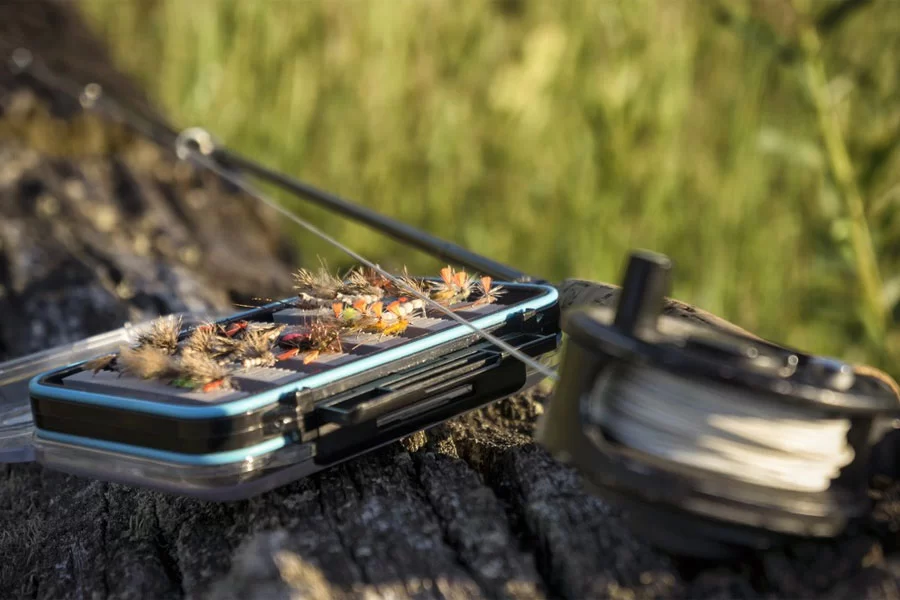
Larger flies are often more appealing to anglers because they are easier to see and require less maintenance. While there are times when large flies are effective, using oversized patterns can reduce catch rates. Larger hooks are more visible to trout and may deter them from taking the fly. Downsizing to better match the natural insects present in the water often results in more consistent success.
How to Fix It: Select the Appropriate Fly Size
- Observe the insects on the water and choose a fly that matches their size or is slightly smaller.
- Adjust fly size downward by one or two sizes from the observed insects. For example, if a caddisfly hatch is occurring and the insects are size #12, opting for a size #14 fly may increase hookups.
- Avoid the temptation to always use larger flies. While they may be more visible and float better, smaller flies often yield better results.
3. Underestimating Summer Trout
Treat Summer Trout with Respect
A common misconception is that trout become reckless feeders during summer due to their increased metabolism and abundance of food. While summer trout may feed more frequently, they do not lose their natural wariness. Assuming they will eat anything presented can lead to frustration. Many trout still follow selective feeding patterns and respond best to well-matched presentations.
How to Fix It: Approach Summer Trout with a Technical Mindset
- Treat all trout as selective feeders. Even in high summer activity, assuming fish will take any fly is a mistake.
- Match the hatch accurately. Pay close attention to the size, color, and behavior of the insects present and adjust fly selection accordingly.
- Maintain proper presentation. Even the right fly will be ineffective if it does not drift naturally. Focus on achieving a drag-free drift.
- Stay patient and observant. Carefully watching fish behavior can provide clues on their feeding preferences and allow for necessary adjustments.
4. Overlooking Stealth and Approach
Minimize Disturbance for Better Hookups
Summer trout often hold in shallow, clear water, making them highly sensitive to movement and noise. Many anglers make the mistake of approaching the river too quickly or casting shadows over the water, spooking fish before even making a cast.
How to Fix It: Approach with Caution
- Move slowly and deliberately when approaching the water to avoid startling fish.
- Stay low and avoid casting shadows over prime feeding areas.
- Use longer leaders and fine tippets to reduce visibility and ensure a more natural drift.
- Make shorter, accurate casts rather than excessive false casting, which can alert trout to your presence.
5. Fishing at the Wrong Times of Day
Target Peak Activity Periods
Many anglers fish whenever they have time, but during summer, trout activity often peaks during specific periods due to water temperature fluctuations. Fishing during the wrong time of day, such as during the heat of the afternoon, can significantly reduce success rates.
How to Fix It: Fish During Optimal Windows
- Fish early in the morning or late in the evening when temperatures are cooler and insect activity is higher.
- Avoid midday heat when water temperatures rise, making trout less active.
- Monitor water temperatures to identify the best feeding periods. Trout are most active when water temperatures range between 10-18°C (50-65°F).
Fishing for summer trout on dry flies is one of the most rewarding experiences for an angler in Türkiye. By avoiding these common mistakes and implementing corrective strategies, success rates can improve significantly. Taking a flexible approach, selecting appropriately sized flies, respecting the trout’s selective feeding nature, maintaining stealth, and targeting optimal fishing times will help anglers make the most of the summer dry fly season in Türkiye’s pristine freshwater rivers and streams.
Frequently Asked Questions
1. What are the best insect hatches for summer dry fly fishing in Türkiye?
During summer, common hatches include caddisflies, mayflies, and terrestrial insects like grasshoppers and ants. Understanding the seasonal insect activity in Turkish rivers can help anglers select the most effective dry flies.
2. What is the ideal time of day for summer dry fly fishing?
The best times to fish during summer are early in the morning and late in the evening when temperatures are cooler, and insect activity is higher. Midday fishing can be less productive due to higher water temperatures and reduced trout activity.
3. How can I improve my stealth while fishing in clear summer waters?
Approach the water slowly, stay low to avoid casting shadows, and use longer leaders with finer tippets to minimize visibility. Making accurate, shorter casts and reducing excessive movement can also help prevent spooking trout.