Most people are fascinated by the variety of flatfish species found in Türkiye’s waters, yet navigating their unique characteristics can be challenging. Flatfish are a familiar catch along Türkiye’s coasts, from the Black Sea to the Sea of Marmara, and across the Aegean and Mediterranean. This article will walk you through the most notable flatfish species found in Turkish waters and help you understand how they fit together in one of the ocean’s most fascinating fish families.
It’s easy to get confused by the different types of flatfish. They all look similar. They all taste great. And to make things even trickier, the same fish can go by different names depending on whether it’s fresh from the sea or served on your plate. With that in mind, we’re diving into the muddy world of these seabed masters to explain what’s what—this time, with a spotlight on the species found in Türkiye’s waters.
Key Takeaways:
- Flatfish includes over 700 species, characterized by their flattened bodies and unique eye migration during development.
- Türkiye boasts several notable flatfish species, including Turbot, Brill, and Common Sole, each with distinct culinary and commercial significance.
- Turbot is the most commercially valuable flatfish in Türkiye, prized for its delicious flesh and prominently featured in traditional seafood dishes.
- Other flatfish species like Sand Sole and Megrim add to the biodiversity in Turkish waters, though they are less commonly targeted for commercial fishing.
- Flatfish can be found in various habitats across Türkiye’s coastal regions, offering unique fishing experiences and delightful culinary options.
Understanding Flatfish
A deeper understanding of flatfish reveals their unique adaptations and ecological roles. These bottom-dwelling species thrive in various marine environments, from sandy shores to rocky seabeds, across Türkiye’s diverse coastlines. As you explore this fascinating fish family, you’ll uncover their importance not only in local cuisine but also in sustaining the fishing industry.
Definition and Characteristics
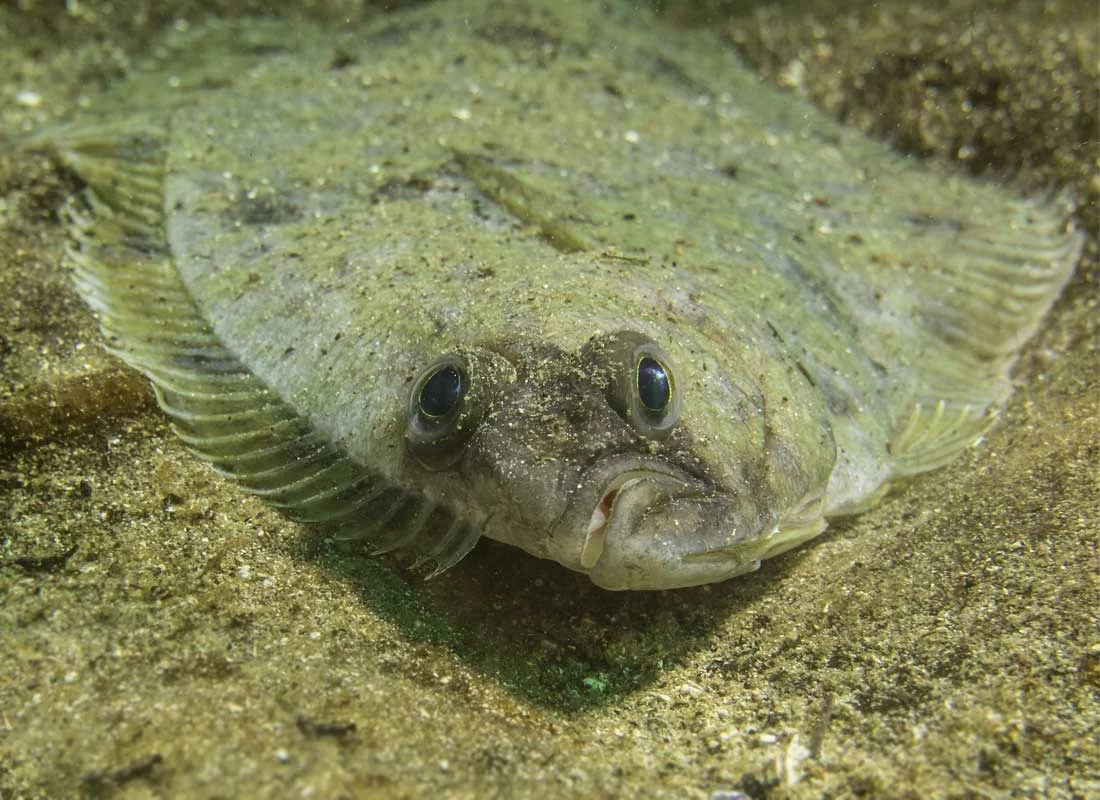
One key aspect that defines flatfish is their distinct body shape, which allows them to blend seamlessly into the ocean floor. With over 700 known species, these fish showcase remarkable diversity, yet share common traits such as a flattened body and the unique migration of one eye during their development, which positions both eyes on one side of the head.
Anatomy and Behavior
Flatfish exhibit extraordinary anatomical adaptations that enhance their survival. Their flattened bodies provide excellent camouflage against the seafloor, making it easier for them to ambush prey while avoiding predators.
Due to their unique anatomical features, flatfish have evolved specialized behaviors that assist in their predatory habits. They can adjust their skin color to match their surroundings, significantly enhancing their ability to remain undetected. This adaptability allows them to thrive in various habitats, from the brackish waters of the Black Sea to the clear depths of the Mediterranean, ensuring their presence in Türkiye’s rich marine ecosystems.
Notable Flatfish Species in Türkiye
Any visit to Türkiye’s coasts will introduce you to a fascinating array of flatfish species. From the iconic Turbot to lesser-known varieties like Brill and Megrim, these bottom-dwellers play a vital role in both the local fishing industry and the culinary landscape. Understanding these species enhances your appreciation of the region’s diverse marine ecosystem and its traditional seafood cuisine.
Turbot (Scophthalmus maximus / S. maeoticus)

Known locally as Kalkan, the Turbot fish is one of the most prized flatfish in Türkiye, both for its culinary value and its sporting challenge. This large, diamond-shaped fish is especially common in the Black Sea, where the subspecies Scophthalmus maeoticus thrives. It’s a right-eyed flatfish and can grow quite large, making it a target for both commercial fisheries and sport anglers.
Turbot is considered a delicacy, often commanding high prices in restaurants. Its firm, white flesh is highly versatile and celebrated in Turkish cuisine, especially when grilled or oven-baked.
Turbot is one of the most valuable fish on the market in Türkiye and features heavily in traditional Turkish seafood cuisine. It’s also a popular target during the winter and spring months when they come closer to shore to spawn.
Brill (Scophthalmus rhombus)
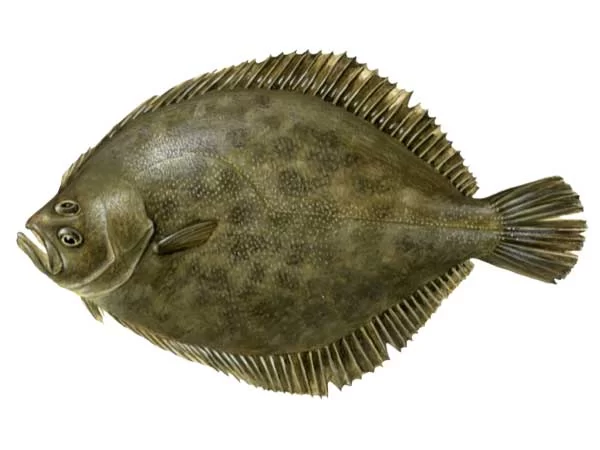
The Brill fish, Çivisiz Kalkan in Turkish, is often mistaken for Turbot due to its similar body shape, but it’s generally smaller and has a more elongated form. It can be found in the Aegean Sea and occasionally in the Sea of Marmara. Although not as well-known as Kalkan, Brill is appreciated by chefs and anglers who recognize its quality.
Not sure how to tell them apart? Check our Brill vs Turbot comparison guide.
Like Turbot, Brill is a right-eyed flatfish, and its flesh is delicate and flavorful, often used in fine dining establishments or enjoyed simply grilled. For sport fishing enthusiasts, Brill offers a subtle but satisfying pursuit. It often resides in deeper sandy patches near rocky structures, where it lies in wait for prey. Anglers using light jigs or baited rigs near the seafloor have reported success, especially when drifting by boat in calmer conditions. Though it may not be the most common catch, reeling in a Brill is a pleasant surprise that adds variety to any flatfish fishing trip.
Sole Species in Turkish Waters
All Sole species thrive in Türkiye’s Aegean, Mediterranean, and occasionally the Sea of Marmara coasts. These flatfish are characterized by their unique left-eyed orientation and mild, sweet flesh, making them a staple on menus and in local markets. While Common Sole ranks among the most commercially significant, smaller sizes like Sand Sole also play an important role in regional cuisine, showcasing the diversity of flatfish in your waters.
Common Sole (Solea solea)

Called Bayağı Dil Balığı in Turkish, the Common Sole is a left-eyed flatfish that prefers sandy and muddy bottoms, often in shallow coastal areas. It’s most commonly found in the Aegean and Mediterranean Seas. Its long, oval shape and smooth texture make it easy to identify.
The Common Sole is a popular fish on the Turkish table, especially when pan-fried. Its subtle flavor and fine texture make it a favorite in home cooking as well as in traditional meze spreads.
For recreational anglers, the Common Sole presents a rewarding challenge due to its cautious feeding behavior. Night fishing with light tackle and bait like ragworms or shrimp can increase your chances, especially in quiet, shallow bays. It’s a favorite among shore anglers who enjoy the patience and technique required to target this elusive bottom-dweller—making each catch feel well-earned.
Sand Sole (Pegusa lascaris)

The Sand Sole, known as İnce Dil Balığı in Turkish, is a smaller, slender flatfish that prefers sandy or muddy bottoms in the Aegean and Mediterranean Seas. While it may not boast the size or recognition of its larger relatives, it offers a unique taste experience and is often featured in mezze-style dishes, making it a hidden gem in local seafood offerings.
This flatfish may often be overlooked due to its modest size. However, Sand Sole plays an important role in local ecosystems and fisheries. Its subtle flavor is often enjoyed in various preparations, including pan-frying or grilling. Despite its lesser commercial profile, the Sand Sole’s presence enriches your culinary options and supports the biodiversity of the region. Finding it in local markets can lead to delicious discoveries in your seafood adventures.
Other Flatfish Varieties
Not all flatfish species in Türkiye are commercially significant, but many offer interesting culinary experiences. From lesser-known types like the Thickback Sole to the European Flounder, these varieties add depth and diversity to the flatfish lineup you might find along the Turkish coast. Exploring these options can enhance your seafood knowledge and cooking repertoire.
Thickback Sole (Microchirus variegatus)

The Thickback Sole, known as Kalın Sırtlı Dil in Turkish, inhabits the waters along the Mediterranean and Aegean coasts. Although it seldom becomes the primary focus of fishing endeavors, it occasionally appears as an unintended bycatch in nets. This particular flatfish is distinguished by its moderately thicker body compared to other varieties, and it is often easily identified by its uniquely mottled coloration.
While not commercially significant, it’s still consumed locally and can be found in coastal fish markets from time to time. For sport and recreational fishers, the Thickback Sole offers an unexpected bonus when targeting other bottom-dwelling species.
It prefers sandy or silty seabeds at moderate depths, making it accessible to shore anglers and small boat fishers using bottom rigs with natural baits like marine worms or thin strips of squid. Although modest in size, catching a Thickback Sole adds interest for species-focused anglers who enjoy cataloging the diverse flatfish found along Türkiye’s southern and western coasts.
European Flounder (Platichthys flesus)
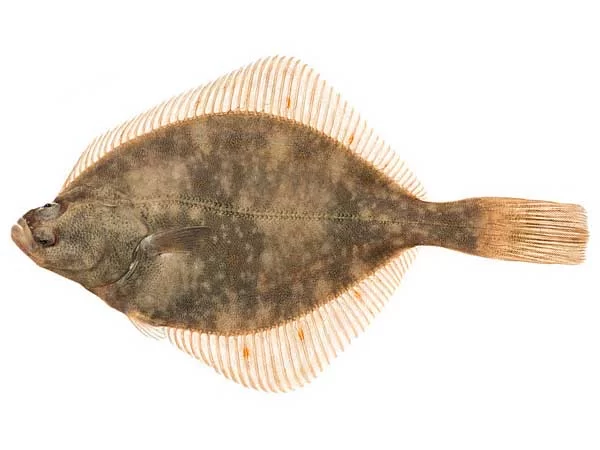
About the European Flounder, known locally as Pisi Balığı, is one of the few flatfish available in Türkiye’s brackish Black Sea waters. This species is often caught by recreational anglers and enjoyed in various dishes, typically fried or baked whole. Its presence in these waters offers an interesting perspective on Türkiye’s flatfish diversity, as it thrives in less salty environments.
At times, you may find the European Flounder frequently mixed in with catches, particularly around estuaries. Although it’s not as sought after as other flatfish varieties like Turbot or Sole, it holds its own in local culinary traditions. With its delicate flavor and versatility, the European Flounder remains a popular choice among home cooks and chefs who appreciate local, sustainable seafood options.
Lesser-Known Species
Your exploration of Türkiye’s flatfish doesn’t stop with the more popular varieties. Lesser-known species like the Mediterranean Scaldfish and Megrim play a necessary role in the region’s marine ecosystem. These fish may not be as commercially sought after, but they offer unique flavors and experiences for adventurous palates and keen anglers alike, showcasing the incredible biodiversity of Türkiye’s waters.
Mediterranean Scaldfish (Arnoglossus laterna)

Before you overlook the Mediterranean Scaldfish, it’s necessary to note its elusive nature. This smaller flatfish species has a translucent body and thrives across the Aegean and Mediterranean coasts. Rarely caught in large quantities, it offers a unique taste profile, making it a delightful addition to local seafood dishes.
Despite its small size and delicate frame, the Mediterranean Scaldfish can present a fun and unexpected challenge for light tackle fishing. It tends to inhabit sandy and muddy bottoms in relatively shallow waters, making it accessible to shore anglers or those fishing from small boats along the Aegean coast. Though not a primary target, it’s occasionally caught while bottom fishing for other species, adding variety and surprise to the catch list for inshore sport anglers.
Megrim (Lepidorhombus boscii)

Beside the more prominent flatfish species, Megrim or Whiff, in Turkish Dil Balığı often flies under the radar. Found in deeper Mediterranean waters, this right-eyed flatfish boasts a more angular shape and is enjoyed by seafood enthusiasts for its distinct flavor. Its unique characteristics make it a sought-after catch among niche markets.
For sport fishers exploring deeper waters off the Mediterranean coast, the Megrim offers an interesting and lesser-known target. Typically residing at depths between 100–400 meters, it’s most commonly caught using bottom rigs and deep-drop techniques, often alongside other demersal species. While not abundant near the coast, anglers equipped for offshore fishing may encounter Megrim as a welcome and unexpected addition to their catch list, adding a layer of diversity to deep-sea fishing excursions in Türkiye.
Four-spot Megrim (Lepidorhombus whiffiagonis)

Similar to its close cousin, this species is distinguished by four dark spots on its dorsal and anal fins. Known in Turkish as Benekli Pisi Balığı, it’s found in deeper waters of the Aegean and eastern Mediterranean. Though rarely seen in local fish markets, it holds potential as a sustainable alternative to overfished species.
From a recreational fishing perspective, the Four-spot Megrim is a hidden gem for those targeting deep-sea flatfish species. Its preferred habitat at greater depths makes it a candidate for advanced bottom fishing setups using natural bait and multi-hook rigs. While encounters are infrequent, the thrill of catching such a rarely targeted species adds to its allure. For offshore anglers looking to expand their species list in Turkish waters, the Four-spot Megrim offers both a challenge and a curiosity.
Adriatic Sole (Solea impar)

A regional species found mostly in the eastern Mediterranean, including along the southern Turkish coast. Though not commonly targeted, it adds to the biodiversity of flatfish in Türkiye. When caught, it is sold alongside other small soles and typically ends up in pan-fried dishes or local stews.
For recreational anglers, the Adriatic Sole presents a subtle but rewarding opportunity, especially for those fishing from piers, breakwaters, or small boats in southern and southeastern Türkiye. Using light tackle and small hooks baited with marine worms or shrimp, it’s possible to encounter this elusive species in sandy or muddy bottoms. While not the primary target, its occasional appearance adds variety to a day’s catch and offers a sense of discovery for anglers exploring lesser-known flatfish species in Turkish waters.
Table of Flatfish Species Found in Türkiye
| Common Name | Scientific Name | Distinctive Features | Regions in Türkiye |
|---|---|---|---|
| Turbot | Scophthalmus maximus / maeoticus | Large, diamond-shaped body with bony tubercles on the dark side | Black Sea, Sea of Marmara |
| Brill | Scophthalmus rhombus | Similar to turbot but more oval-shaped and smoother skin | Aegean Sea, Mediterranean |
| Common Sole | Solea solea | Oval body, dark brown color, small head with curved mouth | Aegean Sea, Mediterranean |
| Sand Sole | Pegusa lascaris | Slender body, pale color, prefers sandy bottoms | Aegean Sea, Eastern Mediterranean |
| Thickback Sole | Microchirus variegatus | Small size, mottled brown color, thicker body than other soles | Aegean Sea, Mediterranean |
| European Flounder | Platichthys flesus | Rough scales, pale spots, prefers brackish water | Black Sea, Sea of Marmara estuaries |
| Mediterranean Scaldfish | Arnoglossus laterna | Small size, transparent body, large dorsal fin | Aegean Sea, Mediterranean |
| Megrim | Lepidorhombus boscii | Elongated body, pale color, both eyes on left side | Aegean Sea, Deep Mediterranean |
| Four-spot Megrim | Lepidorhombus whiffiagonis | Four distinctive dark spots on dorsal and anal fins | Aegean Sea, Deep Mediterranean |
| Adriatic Sole | Solea impar | Narrow body, prefers muddy bottoms | Northeastern Aegean, Sea of Marmara |
Flatfish Angling in Türkiye
Flatfish fishing in Türkiye is a rewarding pursuit for those who enjoy targeting bottom-dwelling species across diverse marine environments. Whether you’re casting from the shore, drifting over sandy seabeds, or using bottom rigs from a boat, each fishing technique requires an understanding of the species’ behavior and habitat.
Popular flatfish fishing spots along the Aegean, Mediterranean, and Black Sea coasts offer unique opportunities, with seasonal movements and local conditions influencing success. As anglers refine their methods, flatfish angling continues to grow in popularity, offering both challenge and excitement to Türkiye’s vibrant recreational fishing scene.
Conclusion
Upon reflecting on the diversity of flatfish types in Türkiye, you gain insight into the unique species that inhabit its waters, each with distinctive characteristics and culinary uses. Whether you’re seeking the prized Turbot or exploring the lesser-known Sand Sole, understanding these flatfish will enhance your fishing experiences and dining choices.
Frequently Asked Questions
Which flatfish species are most valuable in Türkiye’s commercial fishing industry?
The most commercially important flatfish species in Türkiye include Turbot (kalkan), Common Sole (bayağı dil balığı), and Brill (çiviiz kalkan). Turbot is especially prized for its delicious flesh and significant market value, commonly found in the Black Sea and northern Sea of Marmara. Common Sole is known for its mild, sweet flavor and is widely available in fish markets, while Brill, despite being less commercially significant, is appreciated by chefs for its delicate texture and can be found along the Aegean and Mediterranean coasts.
What are the difference between Common Sole, Sand Sole, and Thickback Sole?
In Turkish waters, the main types of sole are Common Sole (bayağı dil balığı), Sand Sole (ince dil balığı), and Thickback Sole (kalın sırtlı dil). Common Sole is a left-eyed fish with a sweet flavor, typically larger and widely caught. Sand Sole is smaller and more slender, often overlooked in markets, and prefers sandy or muddy bottoms. Thickback Sole has a stockier build and is generally found in deeper waters, contributing less to fish markets. Each of these soles can be recognized by their shape, size, and preferred habitats.
What makes flatfish different from other bottom-dwelling fish?
Flatfish are distinguished by their flattened bodies and the unique developmental process in which one eye migrates to the other side of their head. This adaptation allows them to lie on the ocean floor with both eyes facing upward, making them effective ambush predators. Their camouflaged skin helps them blend into their environment, and they have a pale underside that protects them from below. Unlike other bottom-dwelling species like rays and skates, true flatfish have both eyes positioned on one side of their body, a defining characteristic that makes them unique.