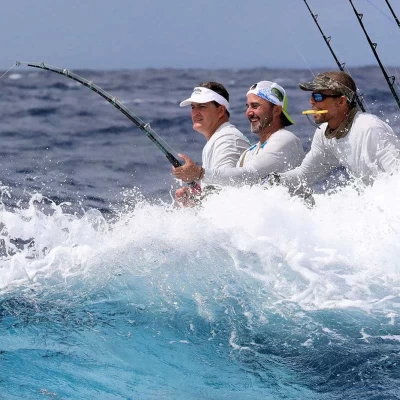
Using a fishing leader correctly can mean the difference between landing a fish and losing it. However, many anglers make common mistakes when using fluorocarbon and monofilament leaders. These mistakes can lead to leader failures, break-offs, and lost fish. In this guide, we’ll explore these common errors and how to avoid them.
Common Mistakes with Fishing Leaders
1. Choosing the Wrong Leader Material
- Mistake: Using the wrong type of leader material for specific fishing conditions.
- Solution: Select the leader material based on water clarity and target species. Fluorocarbon is nearly invisible underwater, making it ideal for clear waters, while monofilament is more flexible and works well in murky conditions.
2. Using Insufficient Leader Strength
- Mistake: Selecting a leader that is too weak for the target fish or fishing environment.
- Solution: Use an appropriate pound test based on the species you’re targeting. Heavy structure areas or large fish require stronger leaders to prevent break-offs.
3. Poor Knot Tying Techniques
- Mistake: Using weak knots that fail under stress.
- Solution: Learn and practice reliable knots such as the improved clinch knot for terminal connections or the FG knot for joining braided line to fluorocarbon or monofilament.
4. Not Checking for Abrasion and Wear
- Mistake: Failing to inspect leaders for damage.
- Solution: Regularly check your leader for nicks and frays, especially after catching fish or fishing near structures. Replace any damaged leaders immediately.
5. Using Incorrect Leader Length
- Mistake: Using a leader that is too long or too short for the fishing conditions.
- Solution: Adjust the leader length based on visibility and casting needs. Clear waters often require longer leaders, while shorter leaders are better for murky conditions and strong currents.
6. Mishandling the Leader
- Mistake: Handling the leader too much, transferring oils from your skin, which can make it more visible underwater.
- Solution: Minimize handling and use gloves if necessary to keep the leader as invisible as possible.
7. Improper Storage
- Mistake: Storing leaders improperly, leading to damage and tangles.
- Solution: Store leaders in a protective case, away from direct sunlight and extreme temperatures, to maintain their strength and flexibility.
Common Mistakes with Fluorocarbon Leaders
1. Tying the Wrong Knots
- Mistake: Using knots that slip or break easily.
- Solution: Use knots specifically designed for fluorocarbon, such as the Seaguar knot or Double San Diego Jam.
2. Not Moistening Knots
- Mistake: Tightening knots without wetting them, causing friction and weakening the line.
- Solution: Always moisten knots before tightening to reduce heat and prevent weakening.
3. Mixing Leader Materials Incorrectly
- Mistake: Improperly connecting fluorocarbon to monofilament or braid.
- Solution: Use appropriate knots like the FG knot to connect different materials securely.
4. Overlooking Abrasion Resistance
- Mistake: Not checking fluorocarbon leaders for wear in rough environments.
- Solution: Regularly inspect for signs of abrasion and replace when needed, especially in rocky or weedy areas.
Common Mistakes with Monofilament Leaders
1. Failing to Check for Damage
- Mistake: Ignoring signs of wear and tear on monofilament leaders.
- Solution: Regularly inspect and replace weakened leaders, especially after exposure to rough conditions.
2. Using Weak Knots
- Mistake: Tying knots that slip or break under pressure.
- Solution: Use strong, secure knots like the improved clinch or uni knot for monofilament leaders.
3. Ignoring Leader Memory and Coiling
- Mistake: Allowing monofilament leaders to develop excessive coil memory, making casting difficult.
- Solution: Stretch the leader before use and store it properly to prevent coiling.
4. Not Replacing Leaders Regularly
- Mistake: Using the same monofilament leader for too long, leading to water absorption and weakening.
- Solution: Change monofilament leaders frequently, as they degrade faster than fluorocarbon.
How to Prevent Leader Failures
To reduce leader failures, follow these key practices:
- Choose the Right Leader Material – Match your leader to the water conditions and target fish.
- Use the Right Knots – Secure, well-tied knots will improve leader reliability.
- Inspect Leaders Frequently – Check for damage after each catch or contact with structures.
- Adjust Leader Length as Needed – Optimize length based on water clarity and fishing style.
- Handle Leaders Properly – Minimize contact to avoid transferring skin oils.
- Store Leaders Correctly – Keep them in protective cases, away from extreme temperatures.

How Weather Conditions Affect Leader Material Choice
1. Temperature
- Cold Weather: Can stiffen monofilament, making it less flexible.
- Hot Weather: Can weaken monofilament and cause knots to slip.
2. Humidity and Rain
- Effect: Can increase water oxygenation, making fish more active.
- Best Choice: Fluorocarbon is ideal in clear, rainy conditions due to its near invisibility.
3. Wind
- Effect: Affects casting accuracy.
- Best Choice: A leader with a stiff butt section helps transfer energy better in windy conditions.
4. Water Clarity
- Effect: Rain and runoff can impact visibility.
- Best Choice: Fluorocarbon for clear water, monofilament for murky conditions.
Conclusion
By understanding and avoiding these common mistakes, anglers can maximize the effectiveness of their leaders, reduce break-offs, and improve overall fishing success. Whether using fluorocarbon or monofilament, proper selection, knot tying, handling, and storage will ensure that your leader performs at its best in any fishing scenario.
Need more fishing leader information? Check out these reads: