Recreational fishing in the Turkish Black Sea is a vibrant and culturally significant activity, offering a unique blend of sporting excitement and economic benefits. This article delves into the world of recreational fishing in the Turkish Black Sea, exploring its practices, targeted species, challenges, and the regulatory framework that governs this activity.
The Turkish Black Sea coast is renowned for its rich biodiversity and diverse marine life, making it an attractive destination for recreational fishermen. The region’s high participation rate in recreational fishing reflects both its cultural importance and the economic contributions it makes to local communities.
The participation rate of recreational fishing in the Turkish Black Sea region is notably high, among a population of 24.5 million, implying approximately 4.5 million marine recreational fishers. A study by Frontiers found an 18.5% participation rate among the population of the Turkish Black Sea region, which is significantly higher than the average participation rate in Europe. This rate is significantly higher than the European average of 1.6%. In comparison, Norway has a participation rate of 33%, while Belgium has a much lower rate of 0.2%. The high participation rate in the Turkish Black Sea highlights the cultural and social significance of recreational fishing in coastal communities.
Recreational fishing contributes substantially to local economies, with an estimated annual expenditure of 400 million Euros in the Turkish Black Sea region. This economic activity supports businesses such as fishing gear retailers, hospitality services, and boat rentals, fostering job creation and sustaining livelihoods in coastal communities.
| Region | Participation Rate (%) |
|---|---|
| Turkish Black Sea Region | 18.5% |
| Europe (Average) | 1.6% |
| Norway | 33% |
| Belgium | 0.2% |
This table highlights the significant variation in participation rates across different regions, with Norway having the highest rate and Belgium the lowest among those listed. The Turkish Black Sea Region stands out with a notably high participation rate compared to the European average.
The provinces directly located on the Black Sea coast of Türkiye are:
Kirklareli, Tekirdağ, İstanbul, Kocaeli, Sakarya, Düzce, Zonguldak, Bartin, Kastamonu, Sinop, Samsun, Ordu, Giresun, Trabzon, Rize and Artvin.
These provinces are the heart of the region’s fishing activities, with many offering scenic fishing spots and rich marine biodiversity.

Recreational fishing in the Turkish Black Sea is dominated by hook-and-line fishing, which accounts for approximately 97.5% of fishing practices. This method remains the most popular due to its simplicity, effectiveness, and adaptability to various fish species. While other gear, such as cast nets and seines, are occasionally used, they are far less common among recreational anglers.
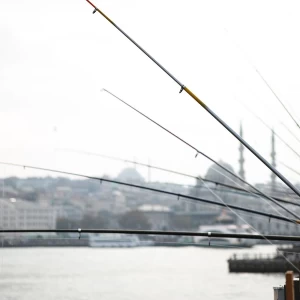
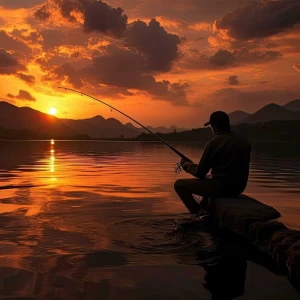
Fishing is widely practiced from both shore and boats, with shore fishing being the preferred method for many anglers due to its accessibility. However, boat fishing offers access to deeper waters, where larger pelagic and demersal species can be targeted.
1. Surfcasting
Surfcasting is a favorite technique for anglers fishing from beaches and rocky shorelines. Using long rods and heavy sinkers, anglers cast their baited hooks far into the surf to reach species like sea bass, bluefish, and bonito. The method is particularly effective during dawn and dusk when predatory fish come closer to shore.
2. Jigging
Jigging is a popular technique for boat anglers targeting deep-water species. It involves rapidly jerking a metal jig up and down in the water column to mimic injured baitfish. This method is especially effective for catching species such as bluefish, bonito, and horse mackerel in the Black Sea. Modern fish finders and depth recorders have improved the efficiency of jigging by helping anglers locate fish schools more precisely.
3. Live Bait Fishing
Live bait fishing is widely used for targeting predatory fish like bluefish and leerfish. Anglers often use small live fish, such as anchovies or horse mackerel, hooked through the back or lips and presented naturally in the water. This technique is effective both from shore and boats, particularly when fishing near currents or submerged structures where predators hunt.
The increasing popularity of recreational fishing has led to the adoption of modern fishing gear and technology. Many anglers now use:
– Fish finders and depth recorders to locate schools of fish and identify underwater structures.
– High-quality spinning reels and braided lines for increased sensitivity and casting distance.
– Artificial lures such as poppers, spoons, and soft plastics, which have become more popular for targeting pelagic fish.
These advancements have enhanced the efficiency of recreational fishing, making it easier for anglers to locate and catch fish in Black Sea.
Recreational fishermen in the Turkish Black Sea target a range of species, each with its unique characteristics and seasonal availability:
| Species | Jan | Feb | Mar | Apr | May | Jun | Jul | Aug | Sep | Oct | Nov | Dec |
|---|---|---|---|---|---|---|---|---|---|---|---|---|
| Mediterranean Horse Mackerel | Good | Good | Great | Great | Great | Good | Good | Great | Great | Great | Great | Good |
| Bluefish | Fair | Fair | Good | Great | Great | Great | Great | Great | Great | Great | Great | Fair |
| Atlantic Bonito | Weak | Weak | Weak | Weak | Good | Great | Great | Great | Great | Good | Weak | Weak |
| Red Mullet | Fair | Fair | Good | Great | Great | Great | Great | Great | Great | Good | Fair | Fair |
| Grey Mullet | Great | Great | Great | Good | Weak | Weak | Weak | Weak | Good | Great | Great | Great |
| Garfish | Weak | Weak | Weak | Weak | Fair | Good | Great | Great | Great | Fair | Weak | Weak |
| Sea Bass | Great | Great | Great | Good | Fair | Weak | Weak | Fair | Good | Great | Great | Great |
| Whiting | Fair | Fair | Good | Good | Good | Great | Great | Great | Great | Great | Great | Fair |
Despite its popularity, recreational fishing in the Turkish Black Sea faces several challenges:

Recreational fishing in Turkey is regulated by the Regional Directorates of Food, Agriculture and Livestock Administration, which issue amateur fishing licenses valid for two years. Regulations include restrictions on fishing gear and locations, such as marine parks and areas with research activities.
Recreational fishing in the Turkish Black Sea is a vibrant and culturally significant activity that offers both economic benefits and sporting excitement. However, it also poses challenges related to sustainability and environmental conservation. By understanding the practices, targeted species, and regulatory framework governing this activity, we can work towards a more sustainable future for recreational fishing in the region.