The cultural significance of fish is also evident in its role during communal gatherings and celebrations, where meals often stretch for hours, accompanied by the traditional anise-flavored spirit, rakı. This pairing transforms dining into a social experience, highlighting the importance of shared meals in Turkish society. Festivals celebrating seafood further reinforce its cultural relevance, showcasing local traditions and fostering community spirit.
Ultimately, the importance of fish in Turkish cuisine reflects a broader appreciation for simplicity and freshness, emphasizing the natural flavors of the sea while maintaining a connection to the land and its people. As Türkiye navigates modern challenges like climate change and overfishing, the respect for seasonal cycles and sustainable practices will be crucial in preserving this vital aspect of its culinary identity.
Fish, a culinary cornerstone and cultural symbol, occupies a prominent position in Turkish life. From the bustling shores of Istanbul to the fertile coasts of the Aegean, fish weaves itself into the tapestry of Turkish identity. This article delves into the fascinating world of fish in Turkey, exploring its historical roots, mythological significance, regional culinary diversity, and modern innovations, ultimately revealing the profound and multifaceted role it plays in Turkish society.
A Legacy Etched in Time: Historical and Archaeological Evidence
The relationship between Turks and fish extends far beyond the modern era. Archaeological evidence suggests that fish consumption in Anatolia dates back at least 5,000 years, underscoring its enduring presence in the region’s diet. Long before the arrival of the Turks, ancient civilizations like the Ionians, Carians, and Lycians, revered fish, often considering them sacred and integrating them into their religious practices. The sophisticated culinary traditions of the Ottoman era, with their blend of influences from the Middle East, Central Asia, and the Balkans, further refined the art of preparing seafood, creating elaborate dishes that showcased both local and foreign ingredients.
Mythological Depths: Fish as Symbols and Spirits
Beyond its nutritional value, fish holds deep symbolic meaning in Turkish mythology. In the Altay Creation Saga, three fish carrying the world represent rebirth, abundance, and peace. These aquatic creatures are often attributed with godlike qualities, capable of bestowing blessings or punishments. Stories abound of individuals who showed reverence to fish being transformed into them as a reward, emphasizing the sanctity associated with these beings. In Turkish legends, the fish is sometimes represented as Akana, emerging from deep waters to play a role in the creation of the world. They’re also portrayed as helping or protective spirits, sometimes even shielding God from harm in certain beliefs. Sometimes they are also associated with paradise and the eternal homeland. The very names of some Turkish cities incorporate “Balık” (fish), reflecting the creature’s enduring significance.
The Culinary Mosaic: Regional Diversity in Seafood Cuisine
Türkiyes extensive coastline, bordered by the Black Sea, the Aegean Sea, and the Mediterranean Sea, gives rise to remarkable regional diversity in its seafood cuisine. Each region boasts its own unique dishes and cooking methods, reflecting local tastes and traditions.
- The Black Sea: This region is synonymous with hamsi (anchovies), a small, flavorful fish prepared in countless ways. Hamsi tava, pan-fried anchovies coated in cornmeal, is a beloved staple, as is hamsi pilavı, anchovies baked with rice, onions, and pine nuts. The use of cornmeal is prevalent in many Black Sea fish dishes.
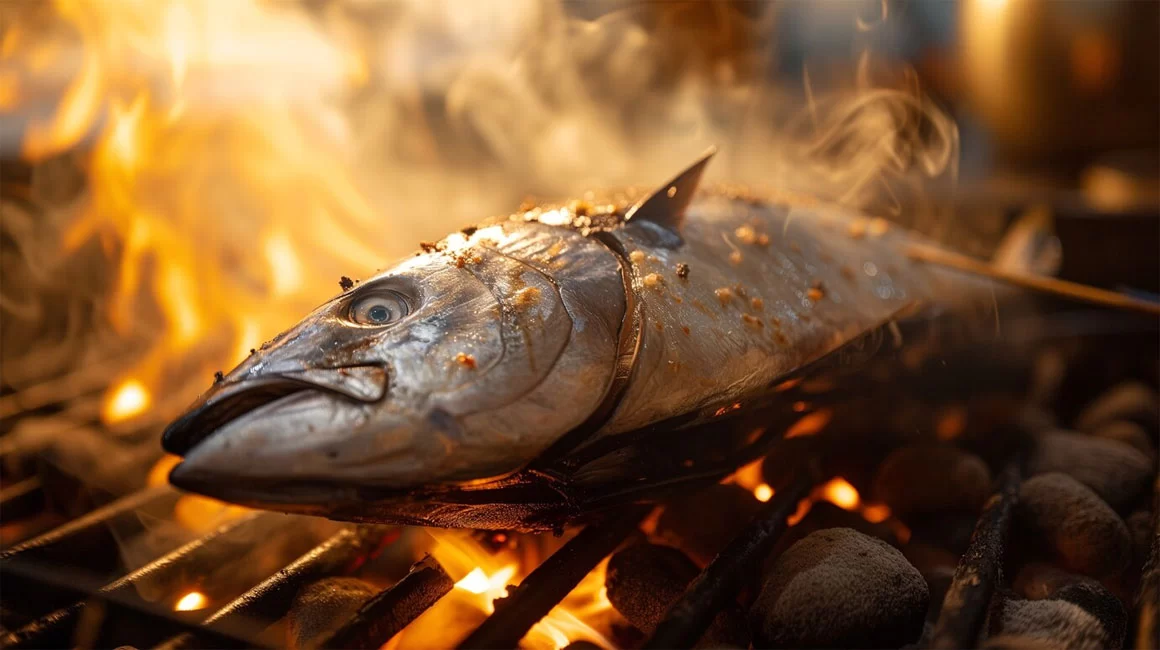
- The Aegean and Mediterranean Coasts: Here, the cuisine is lighter and fresher, emphasizing olive oil, herbs, and vegetables. Sea bass (levrek) and sea bream (çipura) are highly popular, often grilled whole or baked with lemon and aromatic herbs.
- Istanbul: As a bustling metropolis straddling two continents, Istanbul offers a diverse array of seafood options. Balık ekmek, a simple yet satisfying fish sandwich featuring grilled fish fillets served with fresh vegetables and pomegranate molasses, is a must-try street food. The flavorful bluefish (lüfer), a local favorite, is typically grilled to perfection.
Taste of the Sea: Popular Turkish Fish Dishes
Exploring Turkish cuisine means savoring its iconic seafood dishes:
- Hamsi tava: Crispy, golden-brown anchovies fried in cornmeal, a Black Sea delicacy.
- Balık ekmek: A quick, inexpensive, and delicious fish sandwich that embodies Istanbul’s culinary spirit.
- Levrek (Sea Bass) and Çipura (Sea Bream): Grilled or baked whole, showcasing the delicate flavors of these popular Mediterranean fish.
- Lüfer (Bluefish): Grilled simply with olive oil and herbs, highlighting its rich, distinctive taste.
- Ekşili balık: A flavorful fish stew with vegetables, lemon juice, garlic, and herbs.
- Balık çorbası: A comforting and nutritious fish soup that warms the soul.
- Lakerda: A traditional cold appetizer made with preserved bonito, served with olive oil and onions.
Most Healthy Catch: Nutritional Benefits
Beyond its culinary appeal, fish is a powerhouse of nutrients, offering numerous health benefits. Rich in protein and omega-3 fatty acids, it supports brain health, cardiovascular function, and overall well-being. Health experts advocate for increased fish consumption, particularly for pregnant women and children, due to its positive impact on brain development. The Turkish government promotes fish consumption as part of a healthy lifestyle initiative, emphasizing its role in a balanced diet.
Celebrating the Harvest: Seafood Festivals
The love for seafood in Türkiye extends beyond everyday meals, finding expression in vibrant festivals and cultural celebrations. Events like the Sinop Black Sea Hamsi Festival and the Ayvalık International Mackerel Festival bring communities together to celebrate their maritime heritage. These festivals feature cooking competitions, traditional music, dance performances, and, of course, plenty of delicious seafood, reinforcing social bonds and preserving cultural traditions.
Modern Waves: Innovation in Turkish Seafood Cuisine
While deeply rooted in tradition, turkish seafood cuisine continues to evolve, with modern chefs embracing innovation and creativity. They experiment with new techniques, fusion flavors, and sustainable practices, elevating turkish seafood to new heights. By blending traditional recipes with contemporary culinary trends, they ensure that the rich heritage of turkish seafood remains vibrant and relevant for generations to come.
In conclusion, fish and fishing holds a central and indispensable place in turkish culture and cuisine. From ancient myths to regional specialties, its influence is woven throughout the fabric of turkish society. Whether enjoyed as a simple street food or a meticulously crafted restaurant dish, fish continues to delight and nourish, connecting people to their history, their environment, and to each other. As Türkiye looks to the future, the traditions surrounding fish will undoubtedly remain an integral part of its culinary identity, ensuring that this valuable resource continues to enrich lives for years to come.
Frequently Asked Questions for Fish in Turkish Culture and Cuisine
Is fish a common part of the Turkish diet?
Yes, fish is quite a common part of the Turkish diet, especially in coastal regions. Turkey is surrounded by seas on three sides, making seafood readily accessible. While meat consumption is also prevalent, fish is considered a valuable and nutritious alternative, especially in the Black Sea, Aegean, and Mediterranean regions, where local culinary traditions heavily feature seafood.
What are some of the most popular ways to prepare fish in Turkish cuisine?
Turkish cuisine offers a diverse range of fish preparations, with grilling, frying, baking, and stewing being among the most popular methods. Some iconic dishes include hamsi tava (fried anchovies), balık ekmek (fish sandwich), grilled levrek (sea bass), and ekşili balık (lemony fish stew). Regional variations add to the diversity, with each coastal area having its own unique recipes and preferred cooking styles.
Does fish have any symbolic significance in Turkish culture?
Absolutely! In Turkish mythology and folklore, fish often symbolizes fertility, abundance, and rebirth. It appears in various legends and creation myths, sometimes as a protective spirit or a transformative force. The association of fish with the element of thunder is common. This reflects a deep-rooted respect for nature and the sea’s bounty within Turkish cultural narratives.
Are there any festivals in Türkiye that celebrate seafood?
Yes, Turkey hosts several seafood festivals that celebrate its maritime heritage and culinary traditions. Notable examples include the Sinop Black Sea Hamsi Festival, which honors the beloved anchovy, and the Ayvalık International Mackerel Festival, showcasing diverse mackerel dishes and culinary talent. These festivals serve as communal gatherings, promoting regional specialties and fostering community spirit.