Most enthusiasts view recreational fishing as a relaxing pastime, but the environmental impacts may be more severe than commonly assumed. While offering a unique connection with nature, recreational fishing can inadvertently contribute to overfishing, habitat degradation, and biodiversity loss. Understanding these hidden consequences is essential for making informed choices that support sustainable practices and protect aquatic ecosystems for future generations.
Key Takeaways:
- Recreational fishing can contribute to overfishing and reduce local fish populations, affecting aquatic ecosystem health.
- Bycatch and accidental capture of non-target species can threaten biodiversity.
- Habitat disruption and pollution from fishing activities degrade natural resources and water quality.
Understanding Recreational Fishing
Recreational fishing, defined as the non-commercial practice of catching fish for enjoyment, is a beloved activity for millions of people worldwide. It serves as a source of relaxation, skill development, and social bonding across cultures and age groups. Despite its positive aspects, it’s important to consider its broader environmental implications.
Definition and Popularity
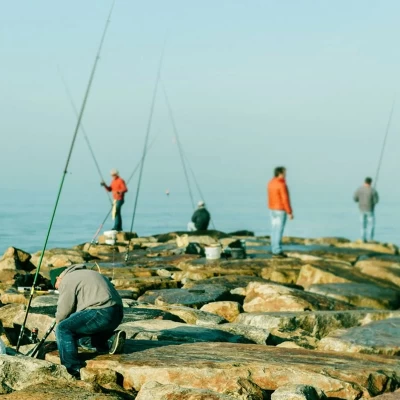
The popularity of recreational fishing has grown steadily over the past few decades, with millions participating annually in both freshwater and marine environments. Its wide appeal stems from its accessibility and the emotional rewards it offers. However, increased participation can result in mounting pressure on fish populations and aquatic habitats.
Common Practices and Techniques
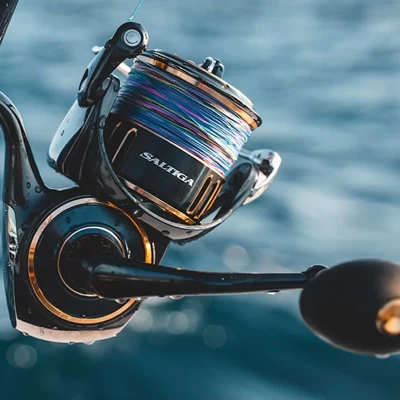
Recreational anglers employ various techniques, including baitcasting, fly fishing, trolling, and ice fishing, using gear like rods, reels, traps, and artificial lures. While some practices are relatively low-impact, others can stress local ecosystems if not managed responsibly. Catch-and-release methods, often viewed as environmentally friendly, may still result in delayed mortality if fish are handled improperly. Adhering to local regulations and using ethical techniques is crucial for reducing the impact of recreational fishing.
Environmental Impact of Recreational Fishing
Recreational fishing can influence the environment in numerous ways. While its scale is smaller than commercial fishing, its cumulative effects—particularly in high-participation regions—can be significant. The pursuit of fish not only alters species populations but can also contribute to broader ecosystem disruptions.
Overfishing and Species Decline
In some areas, recreational fishing contributes to the overexploitation of fish populations, especially when popular target species are caught in large numbers or during spawning periods. A 2021 study published in Science Direct reported that in certain fisheries, recreational catch can represent up to 20% of the total harvest. Such pressure can reduce genetic diversity and destabilize aquatic food webs, increasing vulnerability to environmental changes.
Habitat Disruption and Ecosystem Changes
Beyond the direct removal of fish, recreational fishing can disturb habitats through activities like anchoring, trampling shorelines, and navigating shallow waters with motorboats. These disturbances can alter sediment structures, degrade spawning grounds, and lower water quality. Improper disposal of waste or use of invasive technologies may further compromise the stability of native ecosystems.
Bycatch and Unintended Consequences
Although more commonly associated with commercial fishing, bycatch is also a concern in recreational fishing. Anglers may unintentionally catch non-target species, including juvenile fish or protected wildlife like turtles and seabirds. Even when released, these species can suffer injury or stress-related mortality, contributing to long-term population declines.
Impact on Biodiversity
Biodiversity is essential for ecosystem resilience and function. The removal of certain species, especially apex predators or keystone species, can have cascading effects. Additionally, the dominance of opportunistic species in disrupted environments can further upset ecological balance. Protecting biodiversity requires conscientious fishing behavior and awareness of local ecological dynamics.
Pollution and Waste Associated with Fishing
Recreational fishing can also contribute to environmental degradation through pollution. Common sources include discarded fishing lines, hooks, plastic bait containers, and chemical-laden gear. Monofilament lines, in particular, can take centuries to decompose and are notorious for entangling wildlife. Moreover, some attractants and baits contain harmful substances that may leach into the water.
Plastic and Chemical Contamination
Plastic pollution is a growing global issue, with lost or discarded fishing gear accounting for a significant portion of marine debris. These plastics may break down into microplastics, which are ingested by aquatic organisms and can bioaccumulate up the food chain. This not only threatens marine life but also has potential implications for human health.
Impact of Fishing Gear and Equipment
Conventional fishing gear contributes to both visible and invisible pollution. Ghost fishing—where lost lines and nets continue to trap marine life—can persist for years. Investing in biodegradable or reusable gear and properly disposing of old equipment are critical steps toward reducing this environmental burden.
Regulations and Sustainable Practices
Effective regulation and sustainable fishing practices are essential for preserving aquatic ecosystems. International and local guidelines often include catch limits, size restrictions, seasonal closures, and gear regulations. While enforcement remains a challenge, compliance and community engagement can significantly enhance their effectiveness.