Introduction
In Türkiye, game fishing is a dance with the seasons. Spring’s shallow bays buzz with spawning frenzy, summer’s depths hide nocturnal giants, autumn’s crisp air ignites predator feasts, and winter’s icy lakes test the hardiest anglers. Bridging Europe and Asia, Türkiye’s diverse landscapes—from the trout-rich Black Sea to the sun-drenched Mediterranean – offer year-round opportunities. Whether you’re stalking freshwater titans or saltwater speedsters, timing your trip is key to landing a legend. Let’s explore when, where, and how to cast for Türkiye’s most coveted catches.
Spring (March–May): Spawns and Migrations
As snowmelt feeds Türkiye’s rivers and lakes, fish awaken, and so do anglers. Spring’s warming waters trigger spawning rituals and migrations, making it prime time for targeting trophy species.
Freshwater Highlights
1. Northern Pike: The Ambush Kings of Shallow Bays
- Habitat & Behavior: Northern pike dominate weedy shallows in lakes like Lake Bafa and Lake İznik during spring. They patrol submerged vegetation, ambushing prey with explosive strikes.
- Why Spring?: Post-spawn hunger drives aggressive feeding. Females (often 1–1.5 meters long) are particularly active.
- Tactics:
- Lures: Brightly colored spinnerbaits, surface frogs, or jerkbaits mimic injured fish.
- Retrieval: Slow, erratic movements near weed edges trigger strikes.
- Hotspot: Lake Bafa’s southeastern bays, where pike guard spawning beds.
2. Carp: The Shallow-Water Scavengers
- Habitat & Behavior: Carp migrate to sun-warmed shallows in Lake Egirdir and Lake Manyas to feed and spawn. They root through mud for insects and plant matter, creating visible “mud clouds.”
- Why Spring?: Water temperatures above 15°C (59°F) kickstart feeding frenzies.
- Tactics:
- Rigs: Hair rigs with sweet corn, boilies, or chickpeas.
- Chumming: Pre-bait areas with particle mixes (hemp, maize) to concentrate fish.
- Pro Tip: Use polarized sunglasses to spot tailing carp in clear shallows.
Saltwater Action
1. Bluefish: The Aegean’s Razor-Toothed Raiders
- Habitat & Behavior: Bluefish (up to 10 kg) hunt in schools along the Aegean coast, chasing sardines and anchovies into rocky coves.
- Why Spring?: Migrating north from warmer waters, they arrive hungry.
- Tactics:
- Lures: Metal jigs, diamond rigs, or surface poppers worked rapidly.
- Timing: Dawn and dusk, when baitfish are vulnerable.
- Hotspot: Bodrum Peninsula, where currents funnel baitfish.
2. Bonito: The Speedsters of the Turkish Straits
- Habitat & Behavior: Bonito (a type of mackerel) surge through the Dardanelles and Aegean Sea in spring, reaching speeds of 60 km/h.
- Why Spring?: Follow warm currents rich in plankton and small fish.
- Tactics:
- Trolling: Feather lures or small diving plugs at 5–7 knots.
- Casting: Match the hatch with silver spoons or stickbaits.
- Pro Tip: Look for diving seabirds – they signal bonito blitzes below.
Conservation Note:
Respect spawning bans! Many regions, like the Kızılırmak River and Lake Beyşehir, enforce April fishing closures to protect vulnerable species. Always verify local rules before casting.
Summer (June–August): Deep-Water Challenges
When temperatures soar, fish dive deep—and so should your strategy. Summer in Türkiye demands adaptability: target nocturnal predators, embrace dawn raids, or escape to cooler high-altitude waters.
Freshwater Giants
1. Wels Catfish: The Nighttime Titans of Reservoirs
- Habitat & Behavior: Monster catfish (often 2+ meters) dominate deep reservoirs like Keban Dam and Lake Beyşehir. These nocturnal hunters use their electroreceptors to detect prey in murky depths.
- Why Summer?: Warm surface waters push catfish to cooler, oxygen-rich depths during the day. They rise at night to ambush prey near drop-offs.
- Tactics:
- Live Bait: Use fresh mackerel, frogs, or live carp on heavy-duty bottom rigs.
- Gear: 9–10 ft rods with 50–80 lb braided line; steel leaders to prevent bite-offs.
- Hotspot: Keban Dam’s submerged river channels, where catfish patrol for migrating prey.
2. Carp: The Warm-Water Scavengers
- Habitat & Behavior: Carp thrive in sun-warmed shallows of Lake Egirdir and Lake Işıklı, feeding voraciously on algae and insects.
- Why Summer?: High metabolism drives nonstop feeding; look for rolling fish or bubble trails.
- Tactics:
- Surface Fishing: Floating bread or dog biscuits on warm evenings.
- Bottom Rigs: Zig rigs with buoyant artificial corn to hover above weed beds.
- Pro Tip: Midday heat? Fish shaded margins under overhanging trees.
Saltwater Thrills
1. Bluefin Tuna: The Mediterranean’s Speed Demons
- Habitat & Behavior: Bluefin tuna (200+ kg) hunt schools of sardines and mackerel off Antalya and Kaş. They dive deep during midday but surface at dawn.
- Why Summer?: Migratory pods follow baitfish into Turkish waters; peak season is July–August.
- Tactics:
- Trolling: Large skirted lures or cedar plugs at 8–10 knots.
- Live Bait: Drift with live horse mackerel or bonito.
- Gear: Heavy-duty stand-up rods with 80–130 lb line; harnesses for prolonged fights.
2. Swordfish: The Moonlit Gladiators
- Habitat & Behavior: Swordfish patrol the Aegean’s deep trenches (500+ meters) by day, rising near the surface at night to slash through squid and mackerel.
- Why Summer?: Calm seas and warm currents concentrate prey.
- Tactics:
- Daytime Deep Dropping: Luminescent squid imitations on electric reels.
- Night Fishing: Float rigs with live bait under LED lights.
- Hotspot: The Hellenic Trench near Marmaris, a swordfish superhighway.
Pro Tips to Beat the Heat:
- Dawn/Dusk Focus: Fish aggressively in low light when predators feed.
- High-Altitude Escape: Target rainbow trout in the Kaçkar Mountains’ icy streams (e.g., Fırtına River).
- Stay Cool: Rent a shaded boat or wade in shallow lagoons like Dalyan Delta.
Conservation Note:
Respect catch limits for tuna and swordfish—both are overfished globally. Türkiye enforces strict quotas; check local regulations before heading offshore.
Autumn (September–November): Predator Peak Season
Cooling waters trigger feeding frenzies—Türkiye’s predators are on the prowl. Autumn’s crisp air and shifting currents create prime conditions for explosive strikes, whether in murky rivers or along rocky coastlines.
Freshwater Favorites
1. Zander: The Phantom of Murky Channels
- Habitat & Behavior: Zander (also called pikeperch) lurk in deep, turbid channels of the Kızılırmak River and Lake Beyşehir. These ambush predators hunt schools of bleak and roach, relying on keen eyesight in low light.
- Why Autumn?: Cooling water (12–18°C) boosts metabolism, triggering aggressive feeding before winter.
- Tactics:
- Vertical Jigging: Use 10–15 cm soft plastics (shad or paddle-tail) near submerged structures.
- Night Fishing: Glow-in-the-dark lures attract zander after sunset.
- Hotspot: Kızılırmak’s slow-moving bends near Kırıkkale.
2. Perch: The Striped Marauders of Shallow Bays
- Habitat & Behavior: Perch swarm shallow bays in Lake Egirdir and Lake İznik, hunting juvenile fish in packs. Their black-striped bodies flash through golden autumn reeds.
- Why Autumn?: Schools bulk up for winter, attacking anything resembling prey.
- Tactics:
- Small Cranks & Spinners: 5–7 cm lures in firetiger or perch patterns.
- Live Bait: Tiny minnows on drop-shot rigs tempt trophy-sized specimens.
- Pro Tip: Follow the birds! Diving cormorants often signal perch feeding frenzies.
Saltwater Speedsters
1. Sea Bass: The Coastal Wolves of the Aegean
- Habitat & Behavior: Sea bass (up to 10 kg) ambush sardines and mullet near İzmir’s rocky reefs and Bodrum’s kelp beds. They strike with ruthless precision in choppy autumn surf.
- Why Autumn?: Cooling waters concentrate baitfish, triggering blitzes.
- Tactics:
- Topwater Lures: Walk-the-dog plugs, poppers or pencil lures at dawn.
- Jerkbaits: Suspending models in sardine colors for mid-water strikes.
- Hotspot: Karaburun Beach’s surf zone, where bass corner baitfish against the shore.
2. Spanish Mackerel: The Silver Bullets of the Mediterranean
- Habitat & Behavior: Spanish mackerel (3–8 kg) hunt in packs across the Aegean and Mediterranean Sea, slashing through anchovy schools with razor-sharp teeth.
- Why Autumn?: Migrate south from the Aegean, fueling up for winter.
- Tactics:
- Trolling: Feather rigs or mid-sized diving plugs at 6–8 knots.
- Metal Jigs: Cast and retrieve rapidly to mimic fleeing baitfish.
- Gear: Medium spinning rods with 20–30 lb braid; wire leaders to prevent bite-offs.
Pro Tip: Pack a variety of lures. October’s erratic weather—sunny mornings, stormy afternoons—means fish switch moods hourly. Carry topwater, mid-depth, and bottom lures to adapt!
Conservation Note:
- Avoid overfishing perch schools in lakes like Egirdir; stick to catch-and-release for larger specimens.
- Spanish mackerel are abundant but fragile—handle quickly and release using wet gloves.
Winter (December–February): Ice, Depth, and Solitude
Embrace the chill for tranquil fishing and hidden rewards. Winter in Türkiye offers stark beauty and unique challenges, from ice-covered lakes to deep-sea giants lurking in the Mediterranean’s abyss.
Freshwater Gems
1. Rainbow Trout: The Ice Warriors of Mountain Lakes
- Habitat & Behavior: Rainbow trout thrive in frigid, oxygen-rich waters of high-altitude lakes like Lake Çıldır and Lake Nazik. Under thick ice, they feed on bloodworms and small crustaceans.
- Why Winter?: Reduced competition makes trout more aggressive toward lures.
- Tactics:
- Jigs: Tiny tungsten jigs tipped with waxworms or maggots.
- Depth: Fish 10–15 feet deep near drop-offs.
- Gear: Ultralight rods with 2–4 lb fluorocarbon line for sensitivity.
- Hotspot: Lake Çıldır’s eastern bays, where underwater springs attract trout.
2. Perch: The Striped Schoolers of Frozen Depths
- Habitat & Behavior: Perch form dense schools in sheltered bays of Lake Abant and Lake Sapanca, hovering near the bottom to conserve energy.
- Why Winter?: Slow metabolism forces them to strike opportunistically.
- Tactics:
- Spoons: Glow-in-the-dark mini spoons jigged vertically.
- Live Bait: Maggots or small minnows on drop-shot rigs.
- Pro Tip: Drill multiple holes to locate schools—perch rarely roam far in winter.
Saltwater Depths
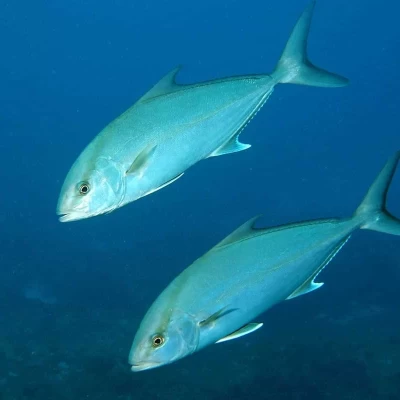
1. Amberjack: The Powerhouses of Mediterranean Wrecks
- Habitat & Behavior: Amberjack (15–30 kg) patrol deep wrecks and reefs off Kaş and Fethiye, hunting squid and sardines in 100+ feet of water.
- Why Winter?: Cooler waters drive baitfish deeper, concentrating predators.
- Tactics:
- Jigging: 200–300g slow-pitch jigs in blue/silver hues.
- Live Bait: Freeline live horse mackerel near structures.
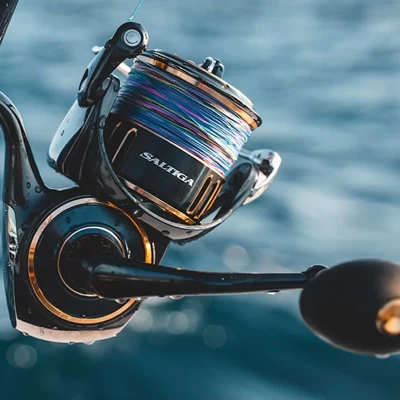
- Gear: Heavy spinning rods with 50–80 lb braid and 4000+ size reels.
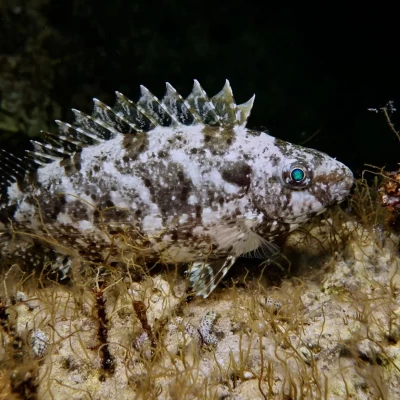
2. White Grouper: The Ghosts of Rocky Seafloors
- Habitat & Behavior: White grouper lurk in rocky caves and shipwrecks (130–200 ft) along the Lycian Coast. These ambush predators strike with explosive force.
- Why Winter?: Less boat traffic and clearer water improve visibility.
- Tactics:
- Bottom Fishing: Fresh squid or cut octopus on dropper rigs.
- Jigs: Butterfly-style jigs worked slowly near structures.
- Conservation: Handle with care! White grouper grow slowly—release breeders over 4 kg.
Pro Tips for Winter Success:
- Layer Up: Thermal base layers, waterproof gloves, and insulated boots are essential.
- Timing: Fish midday (10 AM–2 PM) when temperatures peak slightly.
- Safety First: Check ice thickness (minimum 10 cm) on lakes like Çıldır.
Conservation Note:
- Avoid overstressing fish in cold water—fight and release them quickly.
- Respect protected zones, such as Gökova Bay’s no-fishing reserves.
Regional Microclimates: Where Seasons Shift
- Black Sea Coast: Mild winters mean year-round trout fishing in rivers like the Çoruh.
- Central Anatolia: Frozen lakes like Abant demand ice gear, but pike still bite.
- Mediterranean: Avoid summer crowds; winter offers calm seas and hungry pelagics.
5 Essential Tips for Seasonal Success
- Regulations First: Always check the Turkish Ministry of Agriculture for bans (e.g., spring trout closures).
- Local Guides: A Lake Bafa guide knows where pike lurk in April; a Med captain navigates tuna migrations.
- Gear Smart: Swap summer’s light rods for winter’s ice augers and heavy jigs.
- Time Zones: Fish deeper waters by midday in summer; stick to dawn/dusk in spring/autumn.
- Respect Nature: Use barbless hooks in catch and release zones like the Kaçkar trout streams.
Conclusion
Türkiye’s game fishing seasons are as dynamic as its landscapes—a year-round theater where every month scripts a new adventure. Pair this guide with our deep dives into Understanding Game Fishing in Türkiye and Essential Fishing Gear Tips to craft your ultimate angling calendar. Whether you’re drilling through ice for trout or battling a summer catfish under the stars, Türkiye’s waters promise more than a catch: they offer stories etched in wild beauty.