Why Fly Fishing is Great for Women and Why You Should Try It in Turkey
Breaking Barriers
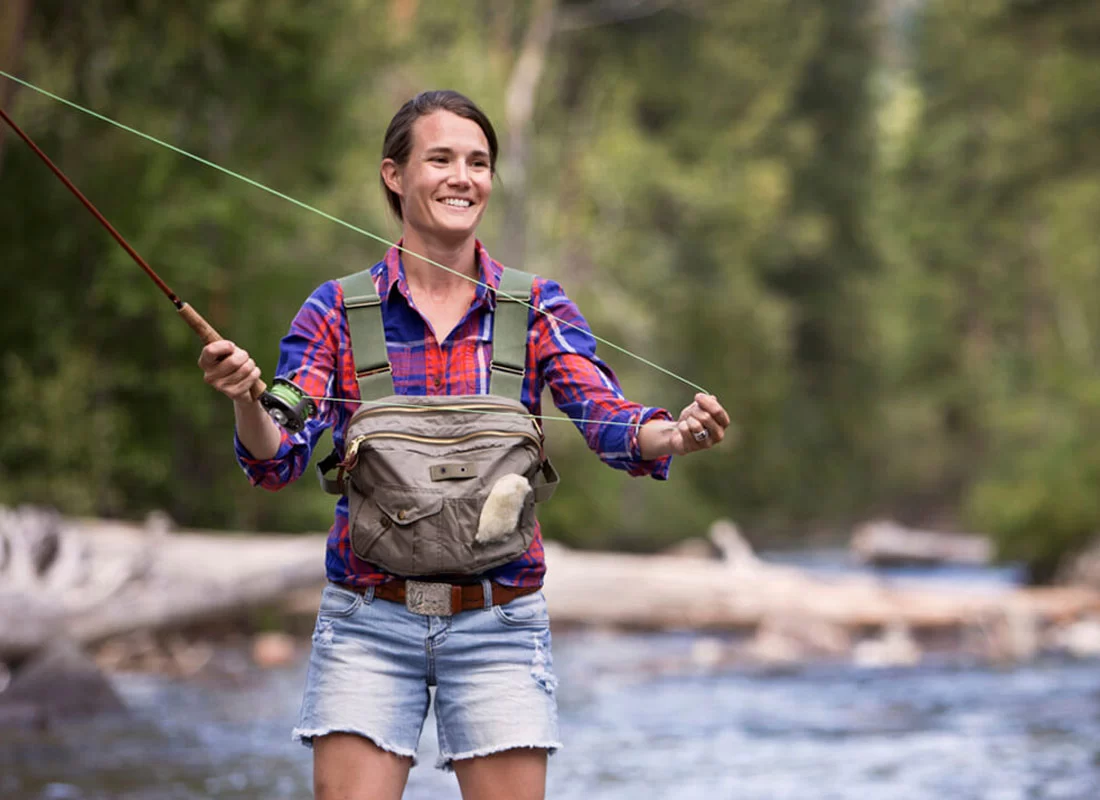
In Türkiye, outdoor sports have historically been viewed through a male-centric lens, often discouraging women from participating. However, fly fishing is an excellent opportunity for women to challenge these norms. The sport requires patience, attention to detail, and finesse—qualities that many women naturally possess.
Benefits of Fly Fishing
Fly fishing offers numerous benefits that extend beyond simply catching fish:
- Connection with Nature: Turkey is home to stunning landscapes—from the lush greenery of the Black Sea region to the tranquil waters of Lake Van. Fly fishing allows you to immerse yourself in these beautiful environments.
- Skill Development: Learning a new skill can be incredibly empowering. Fly fishing teaches you patience and precision while providing a sense of accomplishment.
- Mental Well-Being: Spending time outdoors has been shown to reduce stress and improve mental health. The rhythmic motion of casting and the tranquility of nature can be incredibly therapeutic.
- Community Connection: As more women take up fly fishing, a growing community is forming. Connecting with fellow female anglers can lead to friendships and shared experiences.
Getting Started: Your First Steps in Türkiye
Find a Mentor or Community
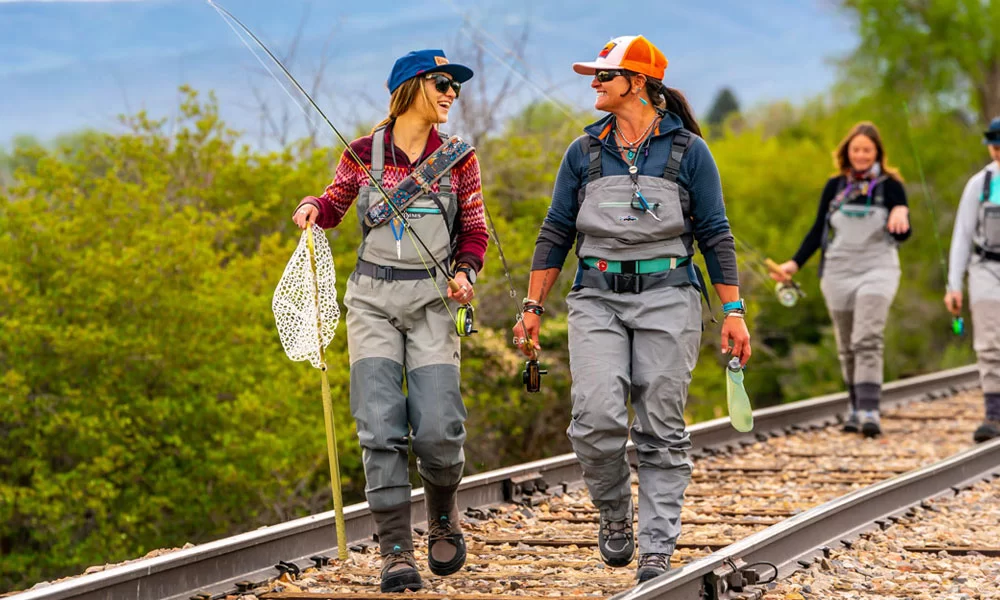
One of the best ways to start your fly fishing journey is by learning from experienced anglers. Seek out local fly fishing clubs or guides who can provide valuable insights and support. You can also explore social media groups specifically for women interested in fly fishing.
Essential Gear for Fly Fishing in Türkiye
To get started, you’ll need some basic gear:
- Fly Rod and Reel: Look for beginner-friendly options that won’t break the bank.
- Flies: Choose flies that are effective for Turkish waters; local shops can provide recommendations.
- Polarized Sunglasses: These protect your eyes and help you see into the water.
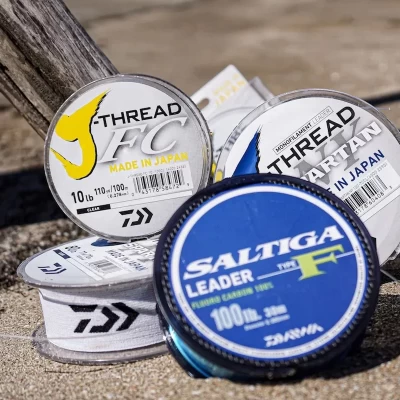
- Leader and Tippet: Essential components for connecting your flies to your line.
- Nippers and Hemostats: Useful tools for cutting line and handling fish.
- Net: Opt for one with soft rubber webbing to protect fish.
- Backpack or Waist Pack: For carrying your gear.
- Waders and Wading Boots: Consider local climate conditions when choosing these.
What to Wear for Fly Fishing in Türkiye
Dress appropriately for comfort and protection:
- Layering: Weather can change quickly; layers allow you to adapt.
- Quick-Drying Materials: These are ideal for wet conditions.
- Sun Protection: A wide-brimmed hat, sunscreen, and sun hoodies are essential, especially during summer months.
- Respect Local Customs: Choose attire that aligns with cultural norms while ensuring comfort.
Understanding Flies and How to Choose Them in Türkiye
Types of Flies
Familiarize yourself with different types of flies:
- Dry Flies: Mimic insects on the water’s surface.
- Nymphs: Imitate larvae underwater.
- Streamers: Represent larger food sources like small fish.
How to Choose Flies in Türkiye
When selecting flies, consider these tips:
- Observe the River: Look for rising fish or insect activity on the surface.
- Match Local Insects: Pay attention to size, color, and type—local shops can guide you on what works best in Turkish waters.
Reading the River in the Turkish Context
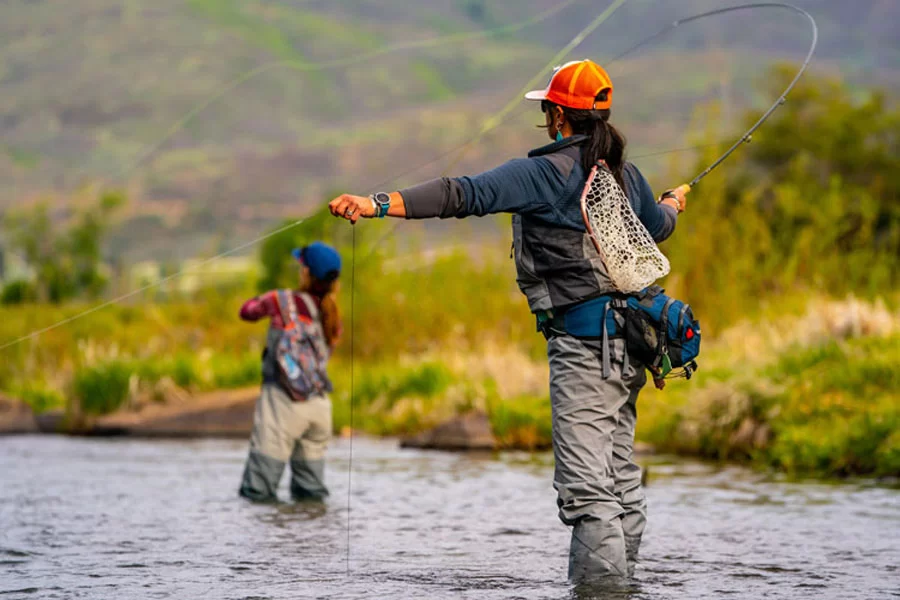
Understanding where fish are likely to be is crucial:
- Fish often seek shelter in slower-moving water near obstacles like rocks or logs.
- Look for bubbles on the surface; they may indicate underwater insect activity.
- Each river has its unique characteristics—familiarize yourself with local waterways like the Çoruh River or streams around Fethiye.
Fly Fishing Etiquette and Conservation in Türkiye
As you embark on your fly fishing journey, remember these important points:
- Catch and Release Practices: Protecting fish populations ensures sustainable fishing for future generations. Check out the How to Properly Catch and Release a Fish guide for details.
- Leave No Trace: Respect nature by cleaning up after yourself and minimizing your impact on the environment.
- Follow Local Regulations: Always check local fishing regulations and obtain necessary permits before heading out.
Conclusion
Fly fishing is not just about catching fish; it’s about connecting with nature, learning new skills, and fostering community ties. As more Turkish women embrace this beautiful sport, we create a supportive environment that challenges norms and inspires others. So grab your gear, step outside, and discover the joys of fly fishing amidst Turkey’s breathtaking landscapes. Share your experiences with fellow female anglers—together, we can create a vibrant community celebrating our love for this rewarding pastime!
Frequently Asked Questions
Is fly fishing suitable for beginners?
Absolutely! Fly fishing is a sport that welcomes beginners. With the right guidance and practice, anyone can learn the basics. Many local clubs and guides in Turkey offer lessons specifically designed for newcomers, making it easier to get started.
What equipment do I need to start fly fishing?
To begin your fly fishing journey, you’ll need a fly rod and reel, a selection of flies, leader and tippet line, polarized sunglasses, and basic tools like nippers and hemostats. Waders and boots are also recommended, especially if you plan to fish in deeper waters. You can find affordable gear options that are perfect for beginners.
Where are the best places to fly fish in Turkey?
Turkey boasts numerous stunning locations for fly fishing. Some popular spots include the Çoruh River in the Eastern Black Sea region, the streams around Fethiye, and various lakes in the Taurus Mountains. Each location offers unique scenery and opportunities to catch different species of fish.
How can I connect with other women who fly fish in Turkey?
Connecting with fellow female anglers can enhance your experience significantly. Look for local fly fishing clubs, workshops, or online communities on social media platforms dedicated to women in fishing. These groups often share tips, organize meetups, and provide support as you embark on your fly fishing journey.