For generations, fishing has been more than just a pastime; it’s a vital industry, a cherished recreational activity, and a connection to nature. As the world evolves, so too does the fishing industry, presenting exciting new opportunities for young people. This article explores how recreational and sport fishing are becoming more accessible to younger populations, the career paths they can unlock, and the technological advancements that are revolutionizing the field.
Enhancing Accessibility in Recreational and Sport Fishing
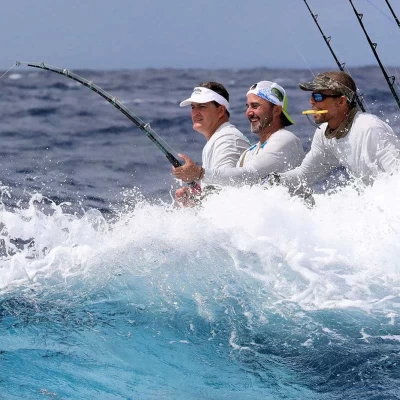
Making fishing accessible to young people is crucial for fostering a lifelong appreciation for aquatic ecosystems and ensuring the future of sustainable fishing practices. Several initiatives are making this a reality:
- Youth Fishing Programs: These programs serve as gateways to continued participation in fishing. They provide a fun and educational environment for learning basic angling skills, safety protocols, and conservation principles.
- Community-Based Initiatives: Recognizing the importance of hands-on experience, community-based programs are gaining momentum. Legislative efforts aim to fund initiatives that take children on fishing trips in coastal or Great Lakes waters, providing them with invaluable real-world experience.
- Online Education and Resources: The digital age offers new avenues for learning. Online angling education modules and virtual fishing programs provide accessible resources for teaching the basics of recreational fishing, conservation, and environmental stewardship. The IGFA (International Game Fish Association), for example, develops and implements in-person clinics and camps, along with innovative programs like “fly fishing clinics in a box.”
- Partnerships with Educational Institutions: Collaborating with schools, universities, and other educational institutions expands the reach of fishing programs. These partnerships create opportunities for incorporating fishing and aquatic science into existing curricula.
Impact of Fishing on Young Lives and Careers
Engaging in fishing activities has a profound impact on the lives of young people, shaping their skills, values, and future career paths:
- Skill Development: Fishing isn’t just about catching fish; it cultivates patience, self-discipline, problem-solving skills, and critical thinking. These are valuable assets in any field.
- Environmental Awareness: Connecting with nature through fishing instills a sense of environmental stewardship. Young anglers learn to appreciate aquatic ecosystems and understand the importance of conservation.
- Health Benefits: Fishing promotes physical activity, reduces stress, and encourages a healthy lifestyle. Spending time outdoors and engaging in a mindful activity has significant benefits for mental well-being.
- Career Opportunities in Fishing: Fishing can be a stepping stone to various career paths. From marine biology to fisheries management, the skills and passion developed through fishing can open doors to fulfilling professions.
Long-Term Career Opportunities in the Fishing Industry
The fishing industry offers a diverse range of long-term career opportunities, evolving alongside technological advancements and sustainability concerns:
- Skipper: Skippers are the captains of their vessels, responsible for navigation, fishing operations, and the safety of their crew. This role requires extensive experience and certifications.
- Engineer: Marine engineers maintain and repair the mechanical and electrical systems on fishing vessels. As technology advances, their role becomes increasingly critical.
- Deckhand: The entry point for many, deckhands learn the ropes of fishing operations and vessel maintenance. Hard work and dedication can lead to advancement.
- Fisheries Manager: Fisheries managers play a crucial role in ensuring sustainable fishing practices, managing resources, and overseeing fishery operations.
- Marine Biologist/Ecologist: For those passionate about research and conservation, a career as a marine biologist or ecologist offers the opportunity to study aquatic ecosystems and contribute to their preservation.
Rewarding Entry-Level Roles in the Fishing Industry
For those just starting out, several roles offer invaluable experience and opportunities for growth:
- Deckhand: This hands-on role provides practical experience in all aspects of fishing operations.
- Fish Cutter: Developing knife skills and learning food handling safety protocols are key in this role.
- Fisheries Observer: This provides an up-close look at the intersection of science and fishing practices.
These entry-level positions may not always offer high salaries initially, but they provide essential experience and a pathway for advancement within the industry. The opportunity to learn, develop skills, and connect with seasoned professionals makes these roles highly rewarding.
Technological Advancements Shaping the Fishing Industry
The fishing industry is undergoing a technological revolution, creating new opportunities for innovation and efficiency:
- Artificial Intelligence (AI): AI is being used to analyze fish population data, predict migration patterns, and monitor ocean conditions in real-time. This enables more targeted fishing, reducing bycatch and improving sustainability.
- Remote Electronic Monitoring (REM): Cameras and sensors on fishing vessels monitor compliance with catch quotas and environmental regulations, ensuring sustainable fishing practices.
- Smart Boats and Satellite Fishing Maps: “Smart boats” equipped with sensors and GPS provide real-time data on fishing activities, while satellite maps highlight potential fishing hotspots based on environmental factors.
- Sustainable Aquaculture Technologies: Advancements in aquaculture, such as Recirculating Aquaculture Systems (RAS), improve fish farming efficiency and reduce environmental impact.
Pros and Cons of Opportunities for Young Professionals in the Sports Fishing Industry in Türkiye
As Türkiye’s sports fishing industry continues to develop, young professionals have unique opportunities and challenges. Understanding these can help aspiring anglers navigate their careers effectively.
Pros:
- Emerging Market: The sports fishing industry in Türkiye is still developing, providing a unique opportunity for young professionals to establish themselves in a growing field.
- Government Support: Recent initiatives by the Turkish government aim to expand fishing horizons and improve aquaculture practices, creating a favorable environment for new entrants to the industry.
- Diverse Ecosystems: Turkey’s rich coastal resources and diverse aquatic ecosystems offer ample opportunities for recreational fishing, making it an attractive destination for both local and international anglers.
- Potential for Tourism Growth: The integration of sports fishing into alternative tourism can generate income for local communities, presenting additional career opportunities in hospitality and tourism management.
- Networking Opportunities: The relatively nascent state of the industry allows young professionals to build networks with established anglers, businesses, and organizations, fostering mentorship and collaboration.
- Skill Development: Entering a developing market allows young professionals to gain hands-on experience and develop skills that will be valuable as the industry matures.
Cons:
- Limited Infrastructure: As the sports fishing industry is still growing, there may be limited infrastructure and resources available for training and development compared to more established markets.
- Competition from Established Practices: Young professionals may face competition from traditional fishing practices that dominate the market, making it challenging to carve out a niche in sports fishing.
- Economic Fluctuations: The fishing industry can be susceptible to economic changes, environmental factors, and fluctuations in fish populations, which may impact job stability.
- Regulatory Challenges: Navigating the regulatory landscape can be complex, especially as new policies are developed to support sustainable practices in response to environmental concerns.
- Investment Requirements: Initial investments in equipment, permits, and marketing can be significant, posing financial challenges for newcomers without adequate support or sponsorship.
- Unpredictable Income: Earnings in sports fishing can be inconsistent, particularly for those relying on tournament winnings or sponsorships.
In conclusion, the future of fishing is bright, with growing opportunities for young people passionate about the outdoors, sustainability, and technological innovation. By making recreational and sport fishing more accessible, fostering a love for nature, and embracing technological advancements, we can ensure a thriving fishing industry for generations to come.
Are you ready to dive into the world of fishing? Explore local fishing programs, connect with educational resources, and consider the diverse career paths available in this dynamic field. The future of fishing needs your passion, skills, and commitment to sustainability!
Frequently Asked Questions
1. What career opportunities are available for young professionals in Turkey’s sports fishing industry?
Young professionals can explore various career paths, including roles such as fishing guides, fisheries managers, aquaculture specialists, marine biologists, and deckhands. Additionally, opportunities in tourism and hospitality related to fishing can also be pursued.
2. What are the benefits of entering the sports fishing industry in Turkey?
The sports fishing industry in Turkey is an emerging market with government support for growth. Young professionals can benefit from diverse ecosystems, networking opportunities, and the chance to establish themselves in a developing field that integrates tourism and recreation.
3. What challenges might young professionals face when starting a career in sports fishing in Turkey?
Challenges include limited infrastructure and resources compared to more established markets, competition from traditional fishing practices, economic fluctuations affecting job stability, and navigating regulatory complexities. Initial investments in equipment and marketing can also pose financial challenges.
4. How can technology impact careers in the sports fishing industry?
Technological advancements such as AI, remote monitoring systems, and smart boats are transforming the fishing industry. Young professionals who embrace these technologies can improve their operational efficiency, enhance sustainability practices, and gain a competitive edge in the job market.
This FAQs section addresses common inquiries that potential entrants to the sports fishing industry may have, providing clarity and insight into their concerns.