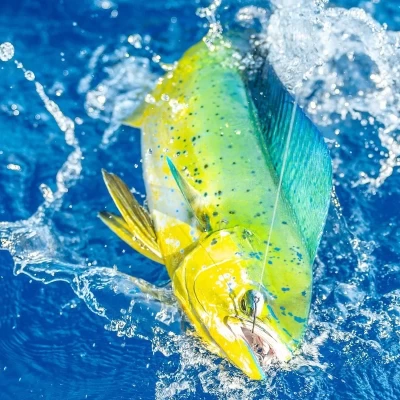
When it comes to Narrow-Barred Spanish Mackerel fishing, technique is everything. These fast, aggressive fish are a thrill to catch, but they require skill, patience, and the right approach. Whether you’re trolling in open waters, casting from the shore, or jigging in deeper areas, mastering the right techniques can make all the difference.
In this guide, we’ll explore the top methods for catching Spanish Mackerel, along with tips to help you refine your skills and avoid common mistakes. Let’s dive in!
1. Trolling: Covering Ground in Open Waters
Trolling is one of the most effective techniques for catching narrow-barred spanish mackerel, especially in open waters. This method involves dragging lures or baited lines behind a moving boat, allowing you to cover a lot of ground and locate schools of fish.
How to Troll for Narrow-Barred Spanish Mackerel:
- Use diving plugs or feather lures that mimic the movement of small fish.
- Troll at a speed of 5-7 knots to keep the lures at the right depth.
- Focus on areas with strong currents or near underwater structures where Spanish Mackerel tend to gather.
Pro Tip: Vary your trolling speed and depth until you find what works best for the day.
2. Casting: Precision from the Shore or Boat
Casting is a versatile technique that works well for both shore and boat fishing. It’s perfect for targeting Narrow-Barred Spanish Mackerel in shallow waters or near rocky outcrops.
How to Cast for Narrow-Barred Spanish Mackerel:
- Use artificial lures like spoons, jigs, stickbaits, or soft plastics.
- Cast your line and retrieve it with a jerky, erratic motion to mimic the movement of prey.
- Focus on areas with visible baitfish activity or where Spanish Mackerel are known to hunt.
Pro Tip: Early morning and late afternoon are the best times for casting, as Spanish Mackerel are most active during these periods.
3. Jigging: Targeting Deep-Water Schools
Jigging is a highly effective technique for targeting narrow-barred spanish mackerel in deeper waters. It involves dropping a weighted lure vertically into the water and jerking it up and down to mimic the movement of injured prey.
How to Jig for Spanish Mackerel:
- Use metal jigs or soft plastics with a fast-sinking design.
- Drop your lure to the desired depth and jerk the rod tip upward, then let the lure fall back down.
- Repeat this motion to attract the attention of Spanish Mackerel.
Pro Tip: Pay attention to your line for subtle bites, as Narrow-Barred Spanish Mackerel often strike quickly and aggressively.
4. Light Tackle Fishing: Adding Excitement to the Fight
Light tackle fishing is a favorite among anglers targeting Spanish Mackerel. It adds an extra layer of excitement to the fight, as you’ll feel every tug and pull from the fish.
Why Light Tackle Works:
- It allows for a more natural presentation of lures.
- The lighter gear makes the fight more challenging and rewarding.
- It’s ideal for targeting Spanish Mackerel in shallow or clear waters.
Pro Tip: Pair your light tackle with a high-quality reel and strong braided line to handle the fish’s sharp teeth and powerful runs.
5. Seasonal Tips: Adapting to the Time of Year
Narrow-barred spanish mackerel behavior can vary depending on the season, so it’s important to adjust your techniques accordingly.
- Spring and Fall: These are the best seasons for Narrow-Barred Spanish Mackerel fishing, as the fish are most active and abundant. Focus on trolling and casting in shallow waters.
- Summer: During the hotter months, Spanish Mackerel may move to deeper waters. Try jigging or trolling at greater depths.
- Winter: Fishing slows down in winter, but Spanish Mackerel can still be caught in warmer coastal areas.
6. Common Mistakes to Avoid
Even experienced anglers can make mistakes when targeting Narrow-Barred Spanish Mackerel. Here are a few tips to help you avoid common pitfalls:
- Using the Wrong Lures: Spanish Mackerel are attracted to fast-moving lures. Avoid slow or bulky baits.
- Ignoring the Tides: Fish are more active during tidal changes. Plan your fishing trips around high or low tide for better results.
- Overlooking Gear Maintenance: Spanish Mackerel have sharp teeth that can damage your line. Always check your gear for wear and tear before heading out.
Master the Art of Narrow-Barred Spanish Mackerel Fishing
In conclusion, catching Spanish Mackerel is as much about technique as it is about patience and persistence. Whether you’re trolling in open waters, casting from the shore, or jigging in deeper areas, mastering these methods will greatly improve your chances of success.
For more tips on gear and locations, check out our Ultimate Guide to Spanish Mackerel Fishing in Türkiye. Now, grab your gear, head to the water, and put these techniques to the test – your next big catch is waiting!
Discover the top spots for Spanish Mackerel fishing in our guide to the best locations in Türkiye.
FAQs About Catching Spanish Mackerel
What is the best technique for beginners to catch Spanish Mackerel?
For beginners, casting with artificial lures is a great starting point. It’s simple, effective, and works well from both the shore and a boat. Use spoons or jigs and retrieve them with a jerky motion to mimic the movement of prey.
Can I catch Spanish Mackerel from the shore, or do I need a boat?
You can catch Spanish Mackerel both from the shore and on a boat. Shore fishing is effective in areas like Fethiye and Çeşme, while boat fishing is ideal for trolling or jigging in deeper waters.
What type of lures work best for Spanish Mackerel?
Spanish Mackerel are attracted to fast-moving lures like spoons, jigs, and diving plugs. These lures mimic the movement of small fish, making them highly effective for targeting this species.
How do I handle Spanish Mackerel’s sharp teeth?
Spanish Mackerel have sharp teeth that can damage your line and lures. Use a wire leader to prevent bite-offs, and always handle the fish with gloves or a towel to avoid injury.