Common Names
English: Black Seabream, Black Porgy
Turkish: Iskatari, Mor Iskatarya, Maviş
Size
Average Size: Around 30 cm
Maximum Size: Up to 60 cm
Scientific Classification
Kingdom: Animalia
Phylum: Chordata
Class: Actinopterygii
Order: Perciformes
Family: Sparidae
Genus: Spondyliosoma
Species: Spondyliosoma cantharus
Black Seabream Appearance
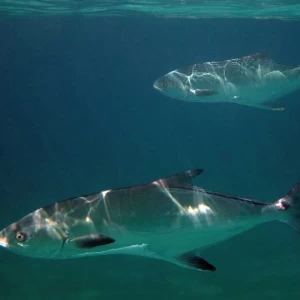
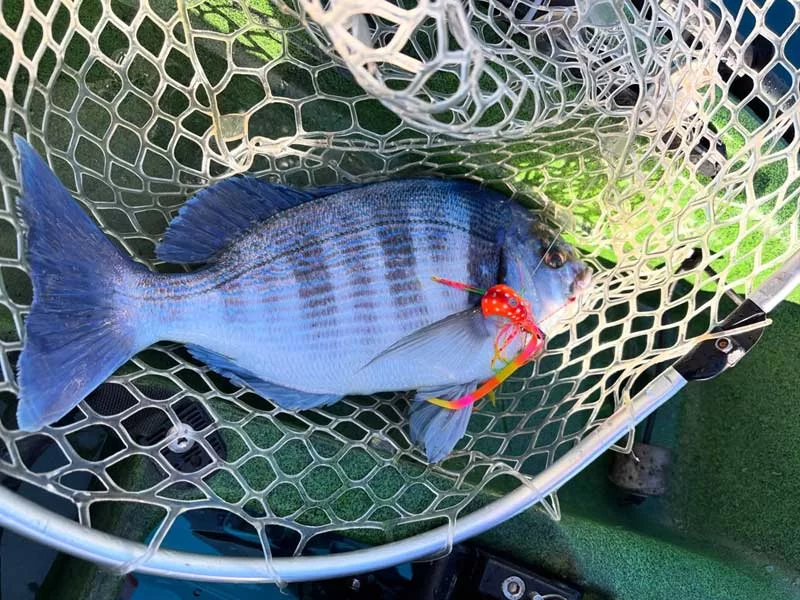
Robust body shape, streamlined and slightly compressed. Moderately deep body with a small, round profiled head. Mouth extends as far back as the front of the eye. Dorsal fin supported by 11 spines and 11-13 soft rays. Anal fin supported by 3 spines and 9-11 soft rays. In adults, the dorsal profile of the head is convex. Cheeks, operculum, and preoperculum have no scales. Color is darker grey on the upper body, silvery on the flanks, with 6 to 9 dark vertical bars along the body. Males may turn nearly black when nesting.
Distinguishing Features: Robust body, dark vertical bars, convex head profile in adults.

It is necessary to understand the habitat and distribution of the Black Seabream to appreciate its ecological role. This species inhabits various marine environments across the northeastern Atlantic and the Mediterranean Sea. You will often find them in coastal areas where they occupy a range of depths, showcasing their adaptability to different conditions.
Geographic Range
Beside the coastal waters of the British Isles, the Black Seabream’s population extends down the western coasts of Europe, encompassing regions from Norway to the Canary Islands, and across to parts of the Mediterranean Sea.
Preferred Habitats
Around the coasts, you will discover that Black Seabreams prefer rocky or sandy seabeds, often near structures such as reefs or seagrass meadows, where they can find ample food and shelter.
Plus, these habitats provide the ideal environment for Black Seabreams to thrive, as they favor areas rich in crustaceans, mollusks, and small fish. These structures also facilitate their breeding and spawning activities, allowing for a thriving population. When exploring their habitat, consider how closely they are linked to the health of the ecosystem, reflecting the importance of preserving these marine environments for their continued existence.
Conservation Status:
Not classified as endangered, the Black Seabream (Spondyliosoma cantharus) currently exhibits stable populations in many regions. However, continuous monitoring and protective measures are necessary to ensure that these fish remain abundant and their habitats preserved.
Threats
An array of threats affects the Black Seabream, including overfishing, habitat degradation, and pollution. Climate change also poses risks as it alters ocean temperatures and impacts food availability, making it important to address these pressures to maintain healthy populations.
Conservation Measures
After recognizing the importance of preserving Black Seabream populations, various conservation measures have been implemented. These include fishing regulations, habitat restoration projects, and monitoring programs aimed at tracking population dynamics and fishing impacts.
Threats to Black Seabream can be mitigated through targeted conservation strategies, such as establishing marine protected areas (MPAs), enforcing sustainable fishing practices, and promoting public awareness about the species. By working together to address these challenges, you help ensure the resilience of Black Seabream populations, allowing future generations to enjoy this remarkable fish.
Regulations and Ban
Fishing is restricted with seasonal bans in Türkiye. 5 kg per person rule applies.
Ecological Role
Primarily feeds on benthic invertebrates.
Diet: Small crustaceans, mollusks, and other bottom-dwelling organisms.
Habitat and Distribution
Found in shallow brackish and coastal waters over soft sandy or muddy substrates, at a depth of 2–40 m.
Distribution: Mediterranean, Southern Aegean and Black Sea coasts of Türkiye.
Is Black Seabream a Game Fish?
Yes.
Black Seabream often becomes a target for avid fishermen in Türkiye.
Recreational Fishing
Actively targeted by recreational fishermen in Türkiye. Anglers catch Black Seabream near rocky and sandy substrates and over seagrass where large schools aggregate to feed.
The black seabream is a prized food fish and serves as a key target for both commercial fishing and recreational anglers. It is sought after across its wide distribution, with particular emphasis in the southern Aegean Sea.

All aspects of the Black Seabream, Spondyliosoma cantharus, play a significant role in local economies, contributing to both fisheries and eco-tourism. This species is not only a favored target for fishermen but also attracts tourists eager to experience its natural habitat, making it vital for sustainable development in coastal communities.
Fisheries
Among the various species fished in European waters, the Black Seabream is particularly valued for its delicious, firm flesh. Anglers and commercial fishermen seek it out, as its presence supports local economies through both fishing activities and seafood markets. You may find this fish often featured in restaurants, further highlighting its economic significance.
Behavior and Ecology
Many factors influence the behavior and ecology of the Black Seabream, including their schooling habits and habitat preferences. You’ll find them in various coastal environments, typically favoring sandy and rocky substrates. They exhibit a range of social behaviors, often forming small groups or schools, which aids in their foraging and offers protection from predators. Understanding these behaviors can enhance your insight into their role within the marine ecosystem.
Feeding Habits
One of the key aspects of the Black Seabream’s behavior is its feeding habits. You may observe them foraging primarily on crustaceans, mollusks, and other small invertebrates found within their preferred habitats. Their strong jaws help them crush hard-shelled prey, showcasing their adaptability in finding sustenance.
Reproductive Behavior
Along with their feeding habits, the reproductive behavior of Black Seabream is fascinating. They typically engage in spawning during warmer months, which intensifies the behavioral dynamics between sexes. In this period, you might notice males displaying territorial behaviors to attract females, often accompanied by vibrant displays.
Habits like these are vital during the reproductive season, where males establish dominance over specific territories. This behavior not only ensures their chances of mating but also contributes to maintaining genetic diversity within their populations.
During spawning, females release eggs into the water, allowing for external fertilization. The young sea bream then drift in the water column, providing an opportunity for dispersal and population growth. Understanding these patterns can deepen your appreciation for the ecological role of the Black Seabream in coastal waters.
Best Time to Fish
| Month | Fishing Quality |
|---|---|
| January | Fair |
| February | Banned / Out of Season |
| March | Banned / Out of Season |
| April | Banned / Out of Season |
| May | Good |
| June | Great |
| July | Great |
| August | Great |
| September | Great |
| October | Great |
| November | Good |
| December | Fair |
Best Time of Day: Throughout daylight hours.
Water Temperature Considerations: Generally 18 °C – 22 °C, but is active in a wide range of temperatures within its distribution.
Quick Facts
| Common Names (English) | Common Names (Turkish) | Size | Habitat | Conservation Status |
|---|---|---|---|---|
| Black Seabream, Black Porgy | Iskatari, Mor Iskatarya, Maviş | 30-60 cm | Shallow, brackish and coastal waters | Least Concern (LC) |
To Wrap Up
The Black Seabream (Spondyliosoma cantharus) is a fascinating species known for its distinct physical appearance and ecological significance. As you explore its habitat, you’ll find that these fish contribute to the health of marine ecosystems while offering insights into environmental changes.
Understanding their behavior and dietary patterns can enhance your appreciation of marine biodiversity. Whether you’re an avid fisherman or a marine enthusiast, learning about the Black Seabream will enrich your knowledge and connection to the underwater world.
Similar Species
Beside the Black Seabream, several other species within the Sparidae family offer fascinating comparisons and insights into marine biodiversity. These related species, such as the Gilthead Bream (Sparus aurata) and the Bluespotted Seabream (Pagrus caeruleostictus), display similar habitats and behaviors, which can enrich your understanding of their ecological roles.
For instance, the Gilthead Bream is known for its robust body and is often found in similar coastal environments as the Black Seabream. Both species share dietary habits, primarily feeding on benthic invertebrates, demonstrating their ecological overlap.