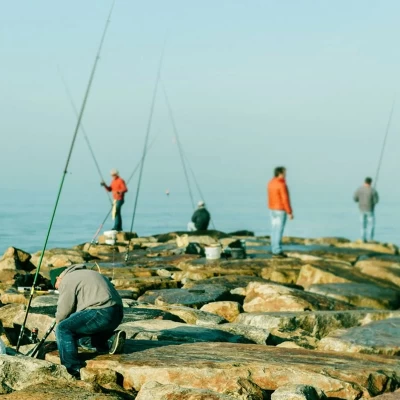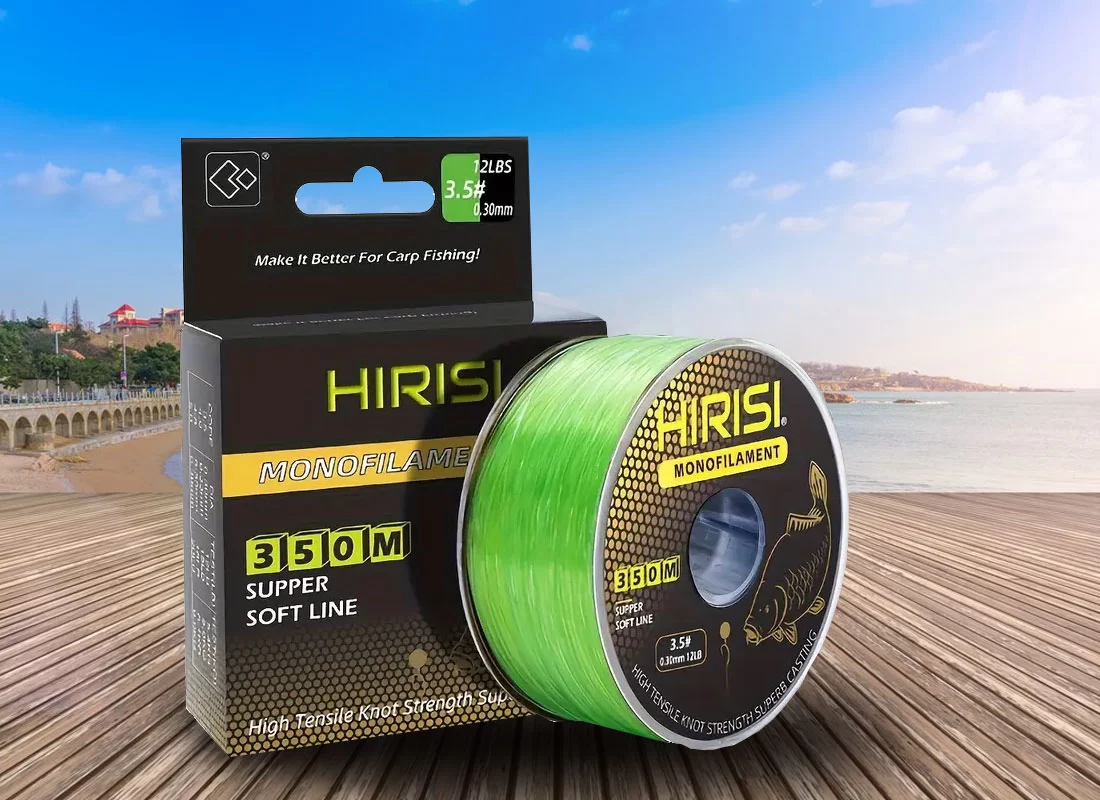
Picture this: You’re standing on the deck of a fishing boat in the Aegean Sea, the sun glinting off the water as you cast your line. Your lure hits the surface, and within seconds, a massive seabass explodes from the depths. But wait—will your leader hold up? For many anglers in Türkiye, the answer lies in a classic tool that’s been around for decades: monofilament leaders.
Despite the rise of trendy fluorocarbon, monofilament remains a go-to choice for Turkish anglers. Why? Because sometimes, old-school solutions just work better. From the Black Sea’s choppy currents to the calm bays of the Mediterranean, mono’s flexibility, buoyancy, and forgiving nature make it a secret weapon in specific conditions. Let’s dive into why this “grandpa of fishing lines” still deserves a spot in your tackle box.
1. What Makes Monofilament Leaders Unique?
Monofilament might seem basic compared to high-tech fluorocarbon, but it’s got some serious tricks up its sleeve:
- Flexibility & Stretch: Mono acts like a shock absorber. When a fish strikes hard (looking at you, bluefish and bonito), the line’s stretch reduces sudden tension, giving you precious seconds to adjust your rod angle. Fluorocarbon? It’s stiffer, which can mean more snapped lines during aggressive hooksets.
- Buoyancy: Mono floats like a cork. This makes it perfect for topwater lures—think poppers or stickbaits—that need to stay on the surface to mimic injured prey. Fluorocarbon sinks, which can drag your lure down and ruin the action.
- Knot Strength: Ever tried tying a complicated knot with fluorocarbon in rough seas? Mono’s softer, more forgiving material grips better, reducing the risk of slippage. Even beginners can nail a reliable clinch or Palomar knot.
- Cost-Effectiveness: Let’s be real—fishing gear adds up. Mono is way cheaper than fluoro, so replacing leaders after a day of battling toothy critters (or sharp rocks) won’t break the bank.
2. Best Situations for Using Monofilament Leaders in Türkiye
Türkiye’s diverse waters mean different rules for different regions. Here’s where mono shines:
Aegean and Mediterranean Seas: Surface Battles
In the crystal-clear waters of Bodrum or Antalya, fluorocarbon’s invisibility seems like the obvious pick. But when targeting surface-feeding fish like garfish or amberjack with floating lures, mono’s buoyancy keeps your presentation natural. Plus, its stretch helps when hooking skittish fish that bolt sideways after striking.
Black Sea & Sea of Marmara: Rough and Tumble
The Black Sea isn’t messing around—strong currents, rocky bottoms, and aggressive fish like turbot demand a leader that can take a beating. Mono’s stretch absorbs the shock of sudden strikes in turbulent water, and its flexibility makes it easier to handle when waves are rocking your boat. Around Istanbul’s Sea of Marmara, where currents shift unpredictably, mono’s forgiving nature keeps you connected to fish without constant retying.
More black sea fishing: Recreational Fishing in The Black Sea: A Comprehensive Overview
More sea of marmara fishing: Fishing in The Sea of Marmara: A Comprehensive Overview
Freshwater Lakes & Rivers: Weedy Warfare
Fishing for trout in Lake Abant or pike in the Sakarya River? Mono’s stretch is a lifesaver when fish dive into weeds or snags. It bends rather than snaps, giving you time to steer them clear. Fluorocarbon’s sink rate can also drag your lure into submerged branches—mono keeps it hovering just right.
3. Fishing Techniques Where Monofilament Excels
Topwater Fishing
If you’re slapping a popper across the surface for seabass, mono keeps the lure dancing longer. Fluorocarbon’s sink rate can kill the action, making your lure look like a lead weight.
Live Bait Fishing in Gentle Currents
Dangling a live sardine in a calm bay? Mono’s slight stretch lets the bait swim naturally without feeling like it’s dragging a brick. In murky water (like the Danube Delta-inspired estuaries near the Black Sea), fish aren’t scrutinizing your leader anyway.
Trolling in Open Water
Trolling for bonito or mackerel? Mono’s shock absorption reduces wear on your hooks and swivels when fish strike at speed. Plus, its buoyancy helps diving lures wiggle more enticingly.
4. When NOT to Use Monofilament Leaders
Even mono fans admit it’s not perfect for every scenario:
- Deepwater Jigging: Fluorocarbon sinks faster and stays invisible at depth, crucial for species like grouper near Türkiye’s southern reefs.
- Heavy Structure: If you’re fishing around sharp rocks or wrecks (common in the Aegean), fluoro’s abrasion resistance is tougher.
- Crystal-Clear Water: In ultra-transparent spots like Lake Salda, fluorocarbon’s invisibility outshines mono.
Conclusion
Monofilament leaders might not be the flashiest choice, but in Türkiye’s diverse fishing playground, they’re often the smartest. Whether you’re battling currents in the Black Sea or working a popper in the Med, mono’s stretch, buoyancy, and budget-friendly price tag make it a timeless pick.
So next time you’re gearing up, ask yourself: Do I need stealth, or do I need forgiveness? Your answer might just save your catch—and your wallet.
Hungry for more? Check out these reads: