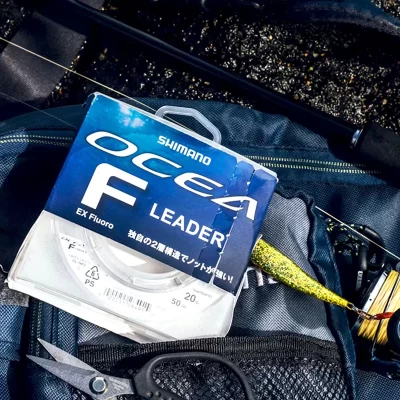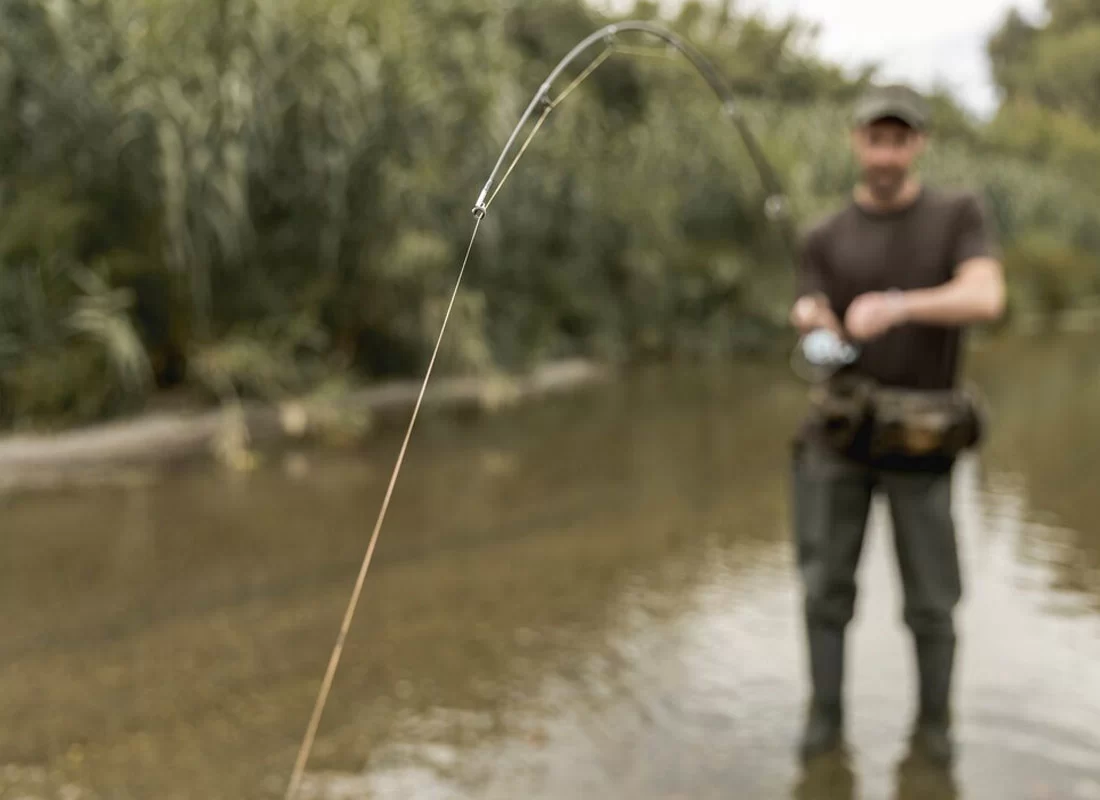
When fishing in Turkish waters, whether in freshwater or saltwater, selecting the right leader length and strength is crucial for success. Several factors must be considered, including the species targeted, the fishing environment, and how you want to present your bait or lure.
Choosing the Right Pound Test
Freshwater Fishing
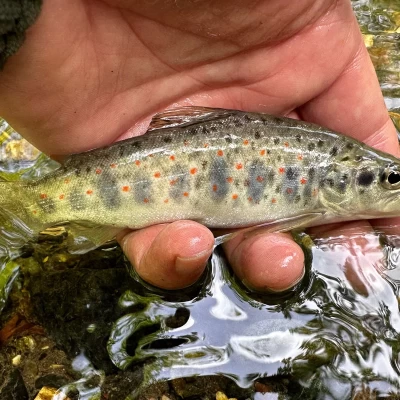
In Türkiye’s freshwater streams and rivers, especially for species like trout, a 6-12 lb test leader is ideal. It provides enough strength without being too visible for sensitive fish. Trout in Turkey, in particular, can be quite finicky, so light tackle is essential for a successful catch.
Saltwater Fishing
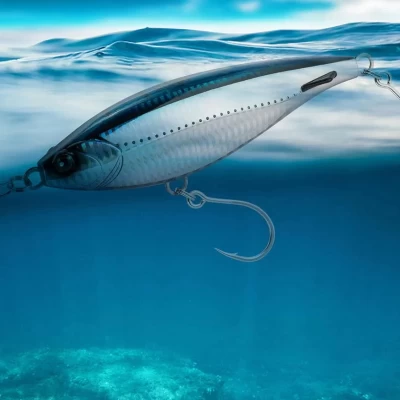
For saltwater environments such as the Aegean or Mediterranean Seas, a stronger leader is required. A 20-40 lb test is commonly used for general saltwater fishing. However, the exact pound test may vary depending on the species targeted and the presence of bycatch. This range ensures the strength needed to handle larger, more powerful fish.
How Leader Length Impacts Lure Presentation
The length of your leader plays a crucial role in how your bait or lure is presented to the fish. It affects everything from casting dynamics to the movement of the lure.
General Considerations
- Leader Length and Casting: A longer leader provides flexibility, allowing you to change lures or rigs without re-tying your entire setup. However, it can affect casting dynamics, especially when using heavier leads.
- Presentation and Action: The leader length can influence the natural movement of your lure. Longer leaders can allow for more fluid motion, whereas shorter ones provide more precise control over the lure action.
Specific Scenarios
- Trout Fishing: In trout streams, a shorter leader (7 to 9 feet) ensures precise presentation and control over the fly or lure, helping to avoid spooking the fish.
- Saltwater Fishing: For species like sea bream, a longer leader below the hooks can prevent bycatch and ensure the bait stays near the bottom, where these fish typically feed.
Ideal Leader Length for Turkish Waters
The ideal leader length depends on factors such as water clarity, fishing technique, and the target species. Here’s a breakdown:
Freshwater Fishing
- Trout and Delicate Fish: A leader length of 7 to 9 feet works well in clear waters to reduce visibility of the main line.
- General Freshwater: For species like carp or catfish, a 2 to 4-foot leader is often sufficient, especially in murkier waters.
Saltwater Fishing
- General Saltwater: A leader length of 4 to 6 feet is often recommended to protect against abrasion and prevent the braided line from contacting underwater structures.
- Clearer Waters or Larger Fish: For targeting larger fish or in clear waters, a longer leader of 6 to 8 feet can improve stealth and provide additional shock absorption.
Considerations
- Water Clarity: In very clear waters, longer leaders help keep the main line out of sight.
- Fishing Technique: Techniques like fly fishing often benefit from longer leaders to present the bait more naturally.
- Fishing Location: Longer leaders work better in open waters, while shorter leaders are more manageable in tight spaces.
Techniques Requiring Longer or Shorter Leaders
- Freshwater Fishing: For freshwater fishing in Türkiye, such as fishing in the clear streams or rivers of Anatolia, longer leaders are often required to ensure a natural presentation and reduce line visibility. A leader length of 270 to 360 cm is typical for targeting delicate fish like trout. This length helps maintain stealth and allows the bait to drift naturally in the current, making it more appealing to wary fish.
- Saltwater Fishing for Large Species: In the saltwater fishing regions of the Aegean or Mediterranean Sea, a longer leader (approximately 180 to 240 cm) is recommended when targeting larger fish like snapper or amberjack. This provides better shock absorption and helps prevent the braided line from getting tangled around underwater structures.
Techniques Requiring Shorter Leaders
- Fast Flow and Shallow Waters: In fast-flowing or shallow waters, such as those found in the Turkish Black Sea region, shorter leaders are often preferred. A leader of around 60 to 120 cm provides better control over the bait or lure and is easier to manage in tight spaces with high current.
- Tight Spaces and Overhead Cover: In areas with thick brush or overhead cover, such as certain river or lake regions in Turkey, shorter leaders help control the cast and reduce the likelihood of tangling. A leader length of 60 to 120 cm ensures better maneuverability around obstacles.
Best Leader Materials for Turkish Waters
Choosing the right leader material depends on the fishing conditions and the species being targeted. Here are the most effective materials for Turkish waters:
Fluorocarbon
- Advantages: Fluorocarbon is dense and sinks well, making it ideal for bottom fishing or sinking lures. It has low visibility underwater and offers superior sensitivity.
- Use: Best for deep-water jigging, bait fishing, and finesse luring in both freshwater and saltwater environments.
Read more about Fluorocarbon Leaders: When and Why to Use Them in Türkiye
Monofilament (Nylon)
- Advantages: Easier to knot and more affordable, with a higher stretch that absorbs shock.
- Use: Suitable for general-purpose fishing, casting lures around structures, and targeting species like barramundi or mulloway.
Read more about Monofilament Leaders: Why Anglers in Türkiye Still Prefer Them
Perlon
- Advantages: A stiffer version of nylon with excellent abrasion resistance.
- Use: Ideal for bottom fishing rigs and species like blackfish or sea bass.
Leadcore
- Advantages: Highly abrasion-resistant and camouflaged, making it ideal for carp fishing and other bottom-dwelling species.
- Use: Primarily used for carp, but adaptable for other bottom fish in freshwater and brackish waters.
Wire Leaders
- Advantages: Essential for species with sharp teeth, such as bluefish, to prevent line cuts.
- Use: Necessary when fishing for toothy predators in environments like Turkish coastal waters.
For comparison check out our Monofilament vs. Fluorocarbon: Choosing the Best Fishing Leader guide.
Impact of Leader Length on Catching Trophy Fish
The leader length you choose can significantly affect your chances of landing trophy fish. Here’s how:
Stealth and Presentation
- Longer Leaders: In clear waters, longer leaders (8 to 12 feet) reduce visibility and help maintain a natural presentation, crucial for shy species like tarpon or snook.
- Shorter Leaders: Offer better control, especially when precision in lure movement is essential.
Abrasion Resistance and Protection
- Longer Leaders: Provide extra protection against underwater structures, preventing abrasion when fishing near reefs for species like grouper or snapper.
- Shorter Leaders: Easier to manage and less likely to tangle in tight spots.
Shock Absorption
- Longer Leaders: Act as shock absorbers, reducing line breakage during fights with powerful fish.
- Shorter Leaders: Less shock absorption, but more manageable in tight spaces.
Adaptability
- Longer Leaders: Allow for easy rig or lure changes without re-tying, beneficial when adapting to different species or fishing conditions.
Conclusion
Choosing the right leader length and strength for fishing in Turkish waters can make all the difference in your success. By understanding the factors that impact leader performance – such as water clarity, species, and fishing techniques – you can tailor your setup for the best results, whether you’re fishing for trout in a stream or deep sea fishing in the Mediterranean Sea.