The Gilthead Sea Bream: A Key Player in Marine Ecosystems and Aquaculture
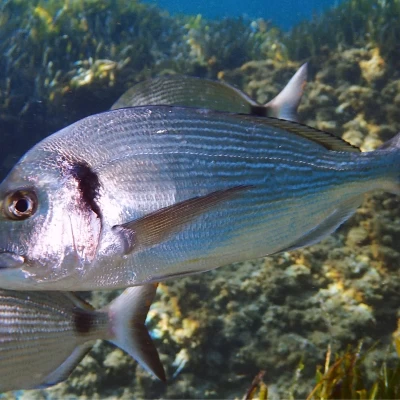
The gilthead sea bream (Sparus aurata) is one of the most significant species in both natural marine environments and aquaculture. Its adaptability, feeding behavior, and interactions with human activities make it a fascinating subject for anglers, marine biologists, and those involved in sustainable fishing practices. This article highlights the seabream’s ecological impact, role in aquaculture, and its challenges in modern fisheries.
Biology and Distribution
A Versatile Predator
The gilthead seabream is a highly adaptable fish native to the Mediterranean and the eastern Atlantic. It thrives in diverse environments, including coastal waters, lagoons, and estuaries. What makes this species particularly unique is its ability to transition from male to female during its lifespan – a biological feature that influences its population dynamics and breeding patterns.
As an opportunistic feeder, seabream consume crustaceans, mollusks, and small fish, positioning them as mid-level predators in marine ecosystems. Their adaptability allows them to expand into new regions, sometimes even outside their native range due to accidental introductions from aquaculture.
Expanding Range
Although sea bream are naturally found in the Mediterranean, aquaculture operations have unintentionally introduced them into non-native regions like the Adriatic Sea and northern Taiwan. These introductions pose potential ecological challenges, as seabream may compete with native species or introduce new pathogens. In their natural habitats, they contribute to ecosystem balance by foraging on benthic invertebrates and transferring energy within the food web.
Sea Bream and Aquaculture
Waste Management in Aquaculture
Sea bream play an unexpected role in reducing environmental waste in fish farms. In Mediterranean aquaculture, they make up 60% of the wild fish aggregations around farms, consuming uneaten feed and organic waste. This natural scavenging behavior helps to minimize waste accumulation and maintain a healthier marine environment.
However, farmed sea bream exhibit physical and behavioral differences from their wild counterparts. Increased growth rates, altered fatty acid profiles, and a reliance on aquaculture feed may impact their survival and ecological role if they escape into the wild.
The Challenge of Escapement
Escaped sea bream from fish farms pose a serious ecological risk. Studies have shown that farmed seabream can interbreed with wild populations, leading to hybrid phenotypes with uncertain consequences. Additionally, farm-raised seabream often have lower genetic diversity, which may weaken wild populations’ ability to adapt to environmental stressors.
Sustainability and Environmental Impact
Feed Efficiency and Nutrient Reduction
Modern sea bream farming has made strides in improving sustainability. Advances in feed formulation have reduced the reliance on fish meal, incorporating plant proteins and alternative ingredients like krill meal. These innovations improve growth rates and reduce nutrient waste, minimizing the environmental footprint of aquaculture.
Technology in Aquaculture
The introduction of precision feeding systems has significantly reduced waste. Computer-controlled feeders monitor fish behavior and environmental conditions to optimize feeding, preventing overfeeding and reducing uneaten feed entering the water. In some Mediterranean farms, these technologies have cut particulate waste by 30%.
Wild Seabream as Natural Cleaners
Wild sea bream play an essential role in controlling waste buildup near aquaculture sites. By feeding on leftover feed and organic matter, they help recycle nutrients and prevent excessive pollution. In the Gulf of Aqaba, studies found that wild sea bream reduced nitrogen buildup from farms by nearly 90 kg per ton of farmed fish.
Seabream and Plastic Pollution
Recent research has uncovered an unexpected aspect of sea bream’s role in marine ecosystems—their ability to ingest microplastics. While this raises concerns about food safety, it also highlights their function as biological filters, removing plastic particles from the water. Some farms are now implementing advanced filtration systems to mitigate plastic contamination in farmed fish.
The Future of Sea Bream Aquaculture
Sustainable Farming Innovations
Efforts to make sea bream aquaculture more sustainable include integrating multi-trophic farming systems (IMTA). These systems combine seabream with macroalgae and mussels, which absorb and utilize excess nutrients, creating a more balanced and eco-friendly aquaculture model.
Regulatory Measures
Many countries, particularly in the Mediterranean, are enforcing stricter environmental regulations for aquaculture. Policies now mandate waste modeling and sustainable feed practices, helping to reduce nitrogen discharge and overall environmental impact.
The Road Ahead
As global demand for gilthead seabream grows, the challenge will be to balance production with ecological sustainability. Advances in aquaculture technology, better feed formulations, and improved waste management strategies are all shaping the future of seabream farming. By prioritizing these sustainable practices, the industry can reduce its environmental footprint while ensuring a steady supply of this valuable fish.
Related Articles:


Conclusion
The gilthead sea bream plays a multifaceted role in both natural marine ecosystems and aquaculture. From helping to mitigate waste in fish farms to presenting challenges as an introduced species, its influence is significant. As research continues to uncover new insights into their biology and interactions with human activities, the key to sustainable seabream fishing lies in innovation, responsible management, and conservation efforts. Whether you’re an angler, a fish farmer, or simply an enthusiast of marine life, understanding the ecological impact of seabream can help shape the future of sustainable fishing.