Turbot Seasonal Ban
Starting April 15, 2025, a nationwide seasonal ban on Turbot is in effect across Türkiye’s Black Sea coastline. This two-month restriction, which lasts until June 15, aims to protect this highly valued flatfish during its peak breeding period.
Which Turbot Species Are Affected?
The Turbot Seasonal Ban applies to all recreational and sport fishing of the following three species found in Türkiye’s marine waters:
Scophthalmus maximus – commonly found in the Mediterranean Sea
Scophthalmus maeoticus – primarily inhabits the Black Sea
Scophthalmus rhombus – distributed in both the Black Sea and Mediterranean
These species are biologically similar and enter critical spawning phases between mid-April and mid-June. To protect their populations during this reproductive window, fishing for any of the three is strictly prohibited regardless of location. Whether you’re casting off the coast of Mersin or Rize, all turbot species must be left undisturbed until the season reopens.
A Critical Time for a Coveted Catch
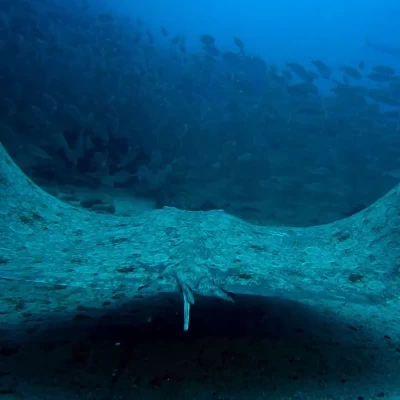
Turbot, known locally as Kalkan, is one of the most prized and commercially important flatfish species in Türkiye. Known for its delicious taste and distinctive diamond-shaped body, it’s a staple of the Black Sea’s culinary and fishing traditions. But during spring and early summer, Turbot enters its reproductive phase, making it especially vulnerable to overfishing.

To safeguard future stocks and allow the population to replenish naturally, recreational and sport fishing of Turbot is strictly prohibited during this time. This seasonal ban is enforced by the Ministry of Agriculture and Forestry under national fishing regulations.
Key Regulations for Turbot Fishing in Türkiye (2025)
| Regulation | Details |
|---|---|
| Fishing Ban Period | April 15 – June 15 (enforced annually). |
| Daily Catch Limit | 1 Turbot per angler (outside the ban period). |
| Minimum Size | 45 cm – undersized fish must be released immediately. |
| Best Practices | Avoid shallow spawning grounds, and use flatfish-friendly rigs. |
Why the Turbot Seasonal Ban is in Place
Spawning Season: Turbot reproduce in shallow coastal areas during this window.
Population Pressure: Their slow growth and late maturity make them vulnerable.
Economic Importance: Ensuring long-term availability benefits coastal communities.
Respecting the turbot seasonal ban ensures that both local anglers and future generations can continue to enjoy this iconic species.
About Turbot Fishing in Türkiye
Whether it’s the thrill of night fishing off the Black Sea coast or preparing a traditional Kalkan tava meal at home, Turbot fishing holds cultural and recreational significance in Türkiye. Their elusive nature and powerful body make landing a mature Turbot a real achievement—one that’s celebrated at both the table and the dock.
Respect the 45 cm minimum size limit.
Keep no more than one fish per angler per day.
Support catch-and-release, especially for large breeders and post-spawn fish.
Avoid shallow reef and wreck hotspots where spawning may still be underway.
Mark your calendar for June 15, 2025, as that’s when Turbot season kicks off again throughout Türkiye. In the meantime, it‘s an ideal period to get your gear ready, organize your trip to the Black Sea, and anticipate the comeback of one of the region‘s most cherished catches.

Exploring the Distinction Between Turbot and Brill
Turbot fish are predators that primarily consume small fish. During the summer, they prey on sandeels, sprats, and even smaller mackerel, which are plentiful in that season. In the winter months, their diet shifts to include species like whiting and rockling, and they may also eat crabs and prawns if available. Turbot resemble brill closely, but they can be distinguished by their nearly circular body shape and coarser skin.
For more detailed information, check out our The Difference Between Turbot and Brill article. It breaks down how to distinguish between these two flatfish species, which are often confused due to their similar appearance but differ in habitat, texture, and culinary value. This guide is especially useful for anglers and seafood lovers aiming to identify their catch with confidence.